 Edward DP Situmorang
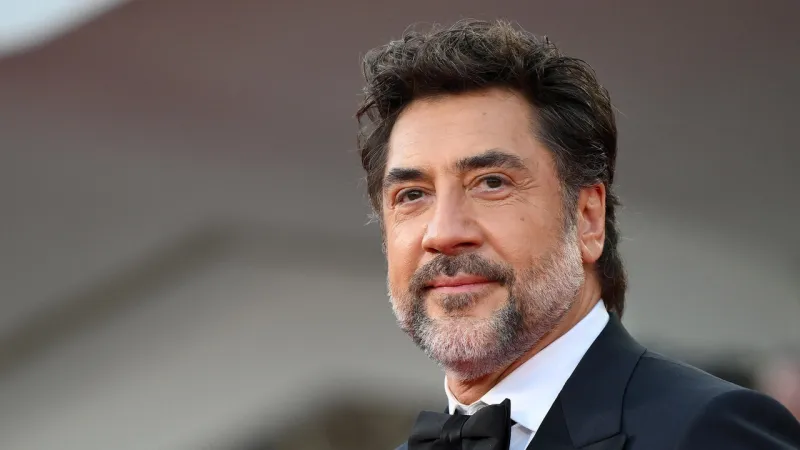
Rome – Renowned Spanish actor Javier Bardem accepted a prestigious career achievement award at the Festa del Cinema di Roma, seizing the moment to issue a potent admonition regarding civic disengagement. His acceptance speech directly correlated a dereliction of citizen responsibility with the emergence of authoritarian figures such as Benito Mussolini, Adolf Hitler, and Benjamin Netanyahu, sparking considerable discussion.
The celebrated film festival, a highlight in the international cinematic calendar, bestowed its highest honor upon Bardem, recognizing his extensive and impactful contributions to the arts over decades. The award ceremony was attended by a galaxy of film industry professionals and admirers, all gathered to celebrate his illustrious career.
During his address, Bardem initially lauded cinema's profound capacity for connection and empathy. He asserted that film possessed an unparalleled power to bridge divides, foster understanding, and unite diverse audiences globally, emphasizing its role as a universal language.
However, his discourse swiftly pivoted from the unifying magic of film to a stark warning about the fragility of democratic societies and the imperative of active citizenship. It was within this context that he delivered his most provocative remarks, capturing the full attention of the audience.
“When we renounce our responsibilities as citizens, Mussolini, Hitler, Netanyahu arrive,” Bardem stated unequivocally. This direct comparison of contemporary leadership with historical dictators drew immediate attention, underscoring the actor's long-standing commitment to political commentary.
The mention of Mussolini and Hitler invoked the specter of 20th-century fascism and totalitarianism, regimes born from periods of profound societal instability and, arguably, widespread political apathy. These historical precedents served as a grave warning for the present.
The inclusion of Israeli Prime Minister Benjamin Netanyahu within this historical continuum is particularly salient, especially given ongoing geopolitical tensions. Bardem has often used his platform to advocate for various causes, and this statement reflects a continuation of that trend. West Bank Violence Escalates: European Diplomats Attacked; Netanyahu Seeks Proof provides a relevant backdrop to contemporary discussions surrounding Netanyahu's leadership.
Bardem's broader philosophy frequently intertwines his artistic endeavors with his civic conscience, viewing acting not merely as a profession but as a vehicle for social dialogue and provocation. His remarks at the Rome Film Fest were consistent with this well-established pattern of using his voice for societal impact.
The Spanish Oscar winner's speech implicitly challenged attendees and the broader public to reflect on their own engagement in political processes and societal welfare. He highlighted the critical role of individual and collective vigilance in safeguarding democratic values against potential erosion.
While celebrating cinema, Bardem effectively transformed his acceptance speech into a call for heightened civic awareness. He argued that the same medium that unites can also awaken, prompting introspection and active participation in public life, making art a catalyst for change.
The Festa del Cinema di Roma, known for its eclectic programming and intellectual discourse, provided a fitting stage for Bardem's weighty pronouncement. The festival prides itself on being more than just a showcase for films, often fostering crucial conversations about art's place in society and its potential influence.
Bardem's career, marked by intense performances and a clear moral compass, ensures that his words carry significant weight within the cultural and political spheres. His latest remarks at the festival add another layer to his legacy as an artist unafraid to confront uncomfortable truths, irrespective of the platform.