 Robert Andrison
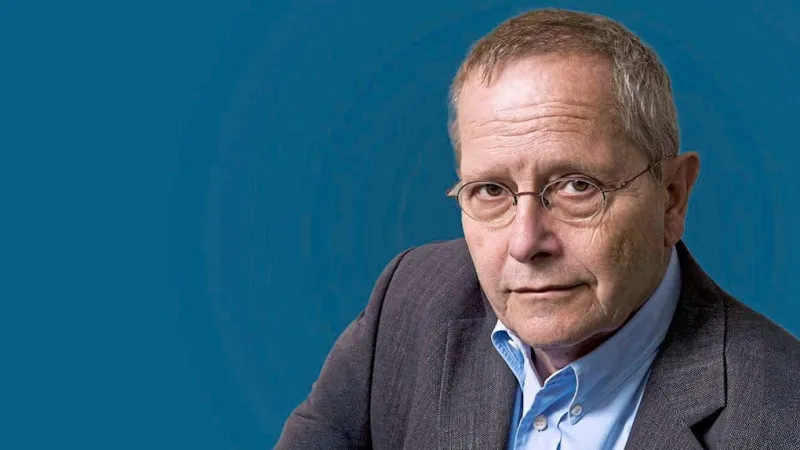
BERLIN – Jens Spahn, a leading figure within Germany's Christian Democratic Union (CDU), recently delivered an unvarnished acknowledgement of his personal fallibility, a rare moment of self-reflection that has deeply resonated across the nation's political spectrum. This candid revelation, interpreted by many as a concession beyond mere political office, underscores a notable shift in his public persona and has profoundly impacted the ongoing discourse surrounding leadership and humility.
Political observers and commentators have widely noted the extraordinary nature of Spahn's admission. In an arena often characterized by polished rhetoric and carefully curated images of invincibility, his embrace of personal imperfection stands in stark contrast to conventional political posturing.
The sentiment that Spahn has given up more than an office refers not simply to a positional change but to a broader shedding of certain political ambitions or the relinquishment of a specific style of leadership. This interpretation suggests a deeper, more personal re-evaluation of his role within German politics, particularly within the CDU.
This profound declaration has significantly reshaped the public's perception of Spahn. Previously viewed through the lens of an ambitious, often polarizing figure, his recent stance has elicited a wave of respect, highlighting a yearning for authenticity among the electorate.
Spahn's introspection arrives at a critical juncture for the CDU, a party grappling with evolving political landscapes and internal challenges. His recent actions and pronouncements are intricately linked to broader discussions about the party's future direction and its leadership credibility.
The gravity of his statement has been emphasized by its sincerity, with analysts widely agreeing it was no tactical maneuver or superficial justification. Instead, it emerged as a genuine expression of personal insight, lending considerable weight to his words and demonstrating an unusual degree of political courage.
This display of self-effacement raises pertinent questions about the long-term sustainability of traditional political leadership models in Germany. It suggests a potential shift towards valuing leaders who exhibit vulnerability and honesty alongside competence, rather than solely focusing on perceived strength or infallibility.
For decades, politicians globally have often cultivated an aura of unwavering conviction and unblemished track records. Spahn's deviation from this norm represents a significant departure, potentially charting a new course for how public figures engage with their own human limitations and how the electorate perceives such candor.
The public discourse surrounding Spahn's admission has been robust, featuring praise from those who advocate for greater transparency and skepticism from some who view it as a calculated move. Nonetheless, the conversation itself underscores the impact of his words, forcing a re-evaluation of what constitutes effective and trustworthy leadership.
What this reconfigured political identity means for Spahn's future trajectory remains uncertain. It could either pave the way for a redefined, more trusted leadership role or signal a more permanent retreat from the frontline of power politics. The CDU will undoubtedly consider these developments as it charts its course forward, especially as the party navigates a complex political environment where figures like Spahn can influence sentiment.
This development resonates particularly as the party continues to navigate internal strife, a challenge underscored by previous analyses, such as the article Spahn's Exit Deepens CDU Crisis, Boosts AfD Amid Chancellor Credibility Woes, which detailed how his significant political movements contribute to broader shifts in the political landscape and public perception of the CDU's overall strength. Irrespective of future political maneuvering, the consensus among many is that Spahn has earned a distinct measure of respect for his courage. His willingness to expose personal imperfection, rather than concealing it, marks a moment that transcends typical political rivalries and partisan divides.