 Stefani Rindus
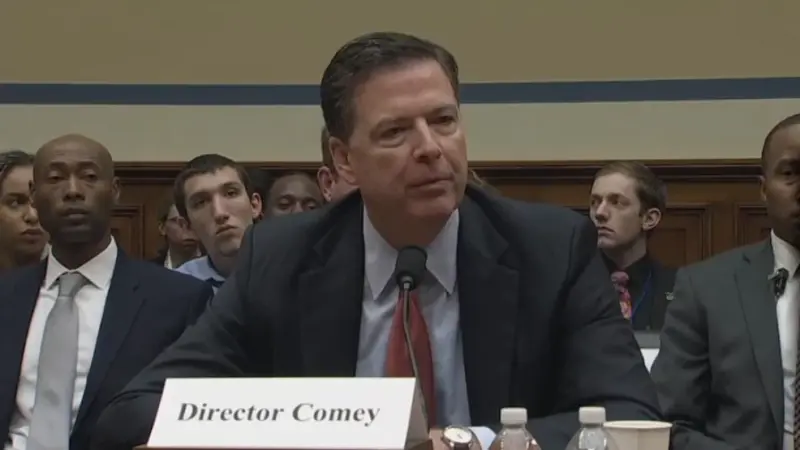
WASHINGTON — The Justice Department this week announced a second federal indictment against former FBI Director James Comey, alleging new offenses stemming from his tenure and sparking immediate political fallout across Washington. The charges, presented by a federal grand jury, represent a significant escalation in legal actions against Comey, whose initial indictment in 2025 sent shockwaves through the nations capital.
The new indictment, unsealed Tuesday, reportedly includes counts related to the alleged misuse of government resources and obstruction of justice during critical investigations overseen by Comey while leading the Federal Bureau of Investigation. Legal experts suggest these charges aim to broaden the scope of the governments case beyond the initial indictment, which focused on different alleged transgressions.
The move instantly reignited partisan tensions, with President Donald Trump and his allies quick to praise the Justice Departments actions as a pursuit of accountability. Conversely, many Democrats and critics of the administration condemned the indictment, labeling it a politically motivated attack on an individual who previously challenged the presidents authority.
Comeys first indictment, filed in late 2025, centered on accusations of mishandling classified documents and making false statements to federal investigators during an internal review. This second round of charges, however, appears to pivot towards operational integrity and the conduct of high-level investigations, suggesting a more comprehensive examination of Comeys leadership.
Sources familiar with the ongoing legal proceedings indicate Comey is expected to be arraigned in federal court in the coming weeks, where he will formally enter a plea. The Justice Department has remained tight-lipped about the specifics of the new evidence, citing the sensitive nature of grand jury proceedings and the integrity of the investigation.
The unprecedented nature of a former FBI Director facing multiple federal indictments underscores the deep political fissures that continue to define the current era. Never before has a top law enforcement official faced such extensive legal scrutiny from a successive administration.
A Justice Department spokesperson, speaking anonymously due to department policy, stated, "The department remains committed to upholding the rule of law and ensuring equal justice under the law for all individuals, regardless of their past position."
"This second indictment signals an aggressive posture from the Justice Department," said Dr. Evelyn Reed, a constitutional law expert at Georgetown University. "It suggests prosecutors feel they have robust evidence to pursue a more expansive case."
Representatives for Comey have vehemently denied the new allegations, reiterating his previous stance that he acted lawfully and ethically throughout his public service career. His legal team is reportedly preparing a vigorous defense, accusing the government of political persecution.
The unfolding legal saga is poised to further erode public trust in federal institutions, already strained by years of political polarization. The high-profile nature of the case guarantees it will remain a central fixture in national discourse leading up to potential trials.
The repeated prosecution of a high-ranking former federal official raises serious questions about the independence of federal law enforcement and the potential for politicization within the justice system. Analysts suggest these legal battles will have lasting consequences for institutional norms.
Public opinion remains sharply divided on Comeys legal troubles, mirroring the broader partisan divide. Supporters view him as a principled civil servant unfairly targeted, while detractors accuse him of overstepping his authority and mismanaging critical investigations.
The impending court battles are expected to be protracted and highly publicized, drawing intense media scrutiny. Legal strategists anticipate a fierce defense from Comey and his team, likely challenging the prosecution motives and the evidence presented.