Gabriella
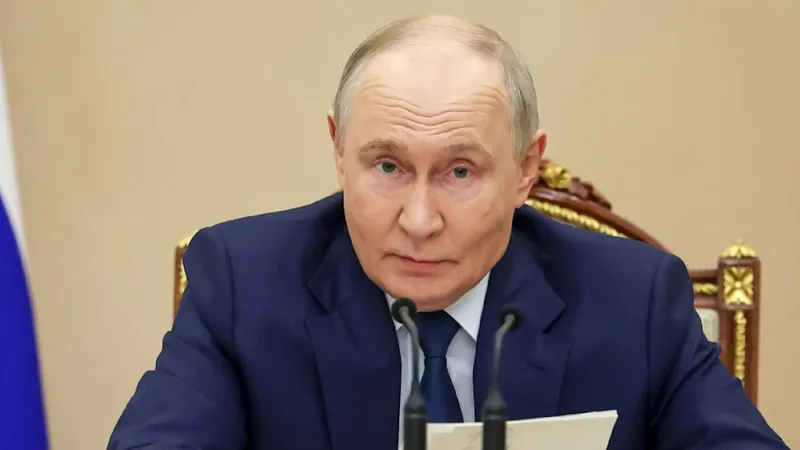
MOSCOW – Russia has reportedly commenced establishing thousands of new hospital beds across its medical infrastructure, a significant expansion believed to be for the treatment of wounded soldiers. This development unfolds as NATO nations conduct extensive defensive exercises in the Baltic Sea region, prompting security analysts to interpret Moscow's move as a strategic signal potentially extending beyond the ongoing conflict in Ukraine.
The directive for these additional medical capacities stems from intelligence reports indicating a substantial increase in readiness requirements for military hospitals. While official Kremlin statements remain scarce, sources within Western intelligence agencies suggest the preparations are on a scale that implies anticipation of sustained, high-intensity engagements. This involves not only new facilities but also the conversion and upgrading of existing civilian medical centers for military use.
This logistical undertaking directly correlates with the continued intensity of the conflict in Ukraine, where both Russian and Ukrainian forces have sustained considerable casualties since 2022. The persistent demand for advanced medical care for servicemen has strained resources, making such a widespread expansion a critical necessity for maintaining troop readiness.
Security experts widely view the move as more than a mere response to current battlefield demands. "This is not simply about managing existing casualties," stated one unnamed European defense analyst. "It indicates a long-term strategic calculation, either preparing for a prolonged grind in Ukraine or signaling potential future operations that could involve new fronts or greater escalation."
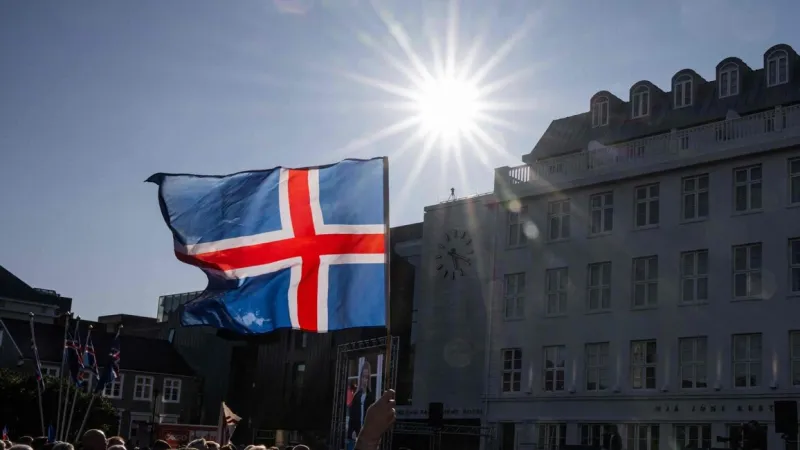
Simultaneously, NATO allies are actively bolstering their collective defense posture, particularly in the Baltic Sea region. Large-scale drills simulating responses to potential aggressions underscore the heightened tensions across Eastern Europe. The proximity of these exercises to Russian borders adds another layer of geopolitical complexity to Moscow's reported medical build-up. German General Breuer to Lead NATO Military Committee in 2027.
The expansion of Russia hospital beds capacity also raises questions about Moscow's strategic communication. By enhancing its ability to care for a greater number of wounded, Russia might aim to project an image of resilience and long-term commitment, both internally to its populace and externally to adversaries. This demonstration of sustained operational capability serves as a potent, if grim, message.
International observers are closely monitoring the implications for regional stability. President Donald Trump's administration has maintained a firm stance against Russian aggression, implementing various sanctions against Moscow since the initial invasion of Ukraine. The continuous military posturing by Russia inevitably draws sharp responses from Washington and its allies, shaping the broader geopolitical landscape. President Trump Sanctions Moscow; Ukraine Seeks Billions Amid Cyberattack.
The human cost of the protracted conflict remains a central concern for international humanitarian organizations. Any significant increase in medical infrastructure for military purposes points towards an expected continuation of severe human suffering. Reports of Ukrainian Drones Strike Moscow, Two Killed As Refinery, Monastery Hit and constant alarms in Kyiv Faces Drone Alarm: Residents Seek Immediate Shelter Amid Attack Threat highlight the relentless nature of the current hostilities.
Analysts suggest this expansion might indicate Russia is preparing for a new phase in the conflict, possibly involving a significant mobilization push or a defensive posture against anticipated counter-offensives. The readiness to handle a surge in casualties is a fundamental component of large-scale military planning.
The strategic rationale behind this move suggests a Kremlin deeply invested in its current military trajectory, undeterred by international pressure or the substantial resource expenditure. Such preparations underscore a commitment to military objectives that, according to experts, appear to extend well into the foreseeable future.
This substantial increase in Russia hospital beds capacity presents a stark reminder of the escalating tensions and the grim realities of modern warfare. It compels the international community to critically reassess the trajectory of the ongoing conflict and its potential for wider regional destabilization.