 Stefani Rindus
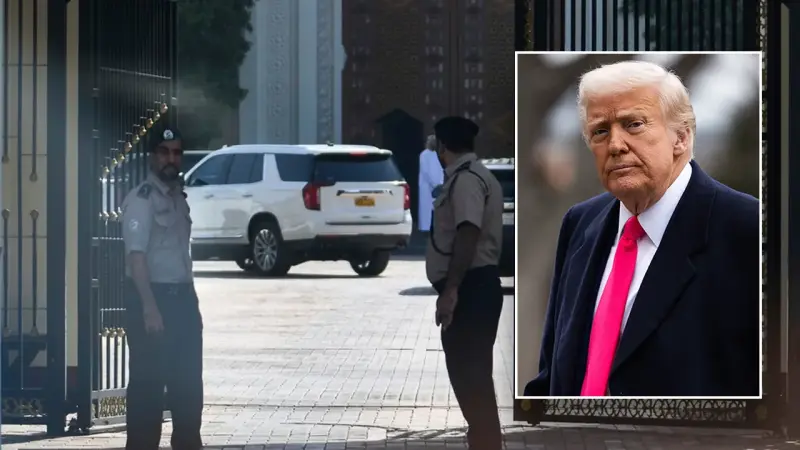
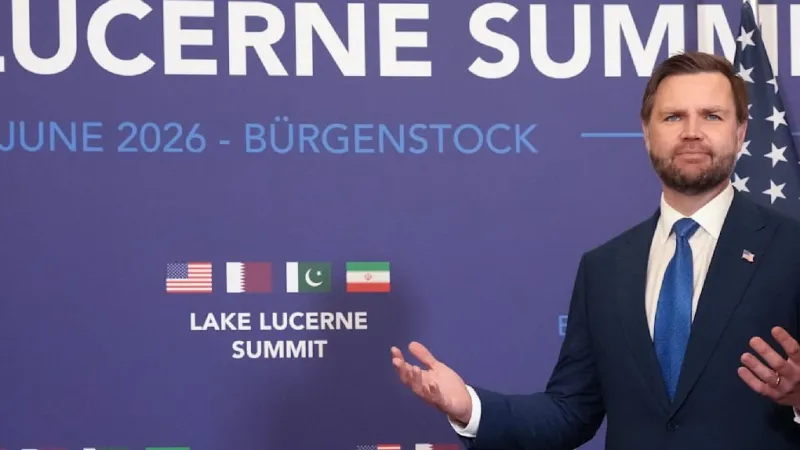
WASHINGTON – A recently leaked draft agreement between the United States and Iran has ignited alarm among foreign policy analysts, suggesting Tehran secured significant concessions that far exceed previous negative expectations. The confidential document indicates that the Iranian regime may have prevailed on several pivotal core issues, casting a critical shadow over any narrative of success that President Donald Trump might present to the American public.
The highly anticipated agreement, intended to de-escalate regional tensions and address Iran's nuclear program, now appears to offer Iran strategic advantages. Sources familiar with the document, speaking on background due to the sensitive nature of the leak, confirm that its provisions lean heavily in favor of Tehran's long-standing demands.
One particular passage, which President Trump is expected to champion as a diplomatic triumph, is reportedly of minimal tangible value. Analysts suggest this element could be primarily symbolic, designed to provide the administration with a public relations win while offering little substance in curbing Iran's strategic ambitions or regional influence.
This development could provoke substantial debate within Washington and among international allies. The apparent concessions to Iran stand in stark contrast to the President Trump administration's stated policy of robust pressure and a firm stance against the Islamic Republic's actions in the Middle East.
The leakage of such a critical document before its official unveiling underscores the deep internal divisions and concerns surrounding the negotiation process. It highlights a potentially precarious balance of power, where diplomatic overtures may be perceived as yielding too much ground to an adversarial state.
Experts on Middle Eastern affairs are scrutinizing the leaked text for its broader implications on regional stability. The agreement's framework, as revealed, could empower Iran to further its agenda across the Levant and Persian Gulf, potentially destabilizing nations allied with the United States.
Critics argue that the proposed terms could inadvertently legitimize aspects of Iran's nuclear infrastructure or provide economic relief without sufficiently stringent safeguards. Such an outcome would contradict years of international efforts aimed at preventing Iran from developing nuclear weapons capabilities.
The specifics of Iran's perceived victories are not fully detailed in the brief RSS source, but the description implies a series of strategic gains. These could encompass elements related to sanctions relief, uranium enrichment levels, ballistic missile development, or inspection protocols that are more favorable to Tehran.
Furthermore, the document's contents could complicate relations with key regional partners like Israel and Saudi Arabia, who have consistently voiced strong opposition to any agreement that does not definitively dismantle Iran's nuclear program and curb its destabilizing activities. These nations historically advocate for a maximalist approach to containing Iranian power.
This diplomatic setback comes at a time when global powers are grappling with numerous complex international challenges. The nuances of such high-stakes negotiations are often opaque, but a leak of this magnitude forces immediate scrutiny and public discourse regarding the efficacy of current foreign policy strategies.
President Trump has frequently emphasized his commitment to securing favorable deals for the United States on the global stage. However, if the interpretations of this leaked document hold true, the success he intends to highlight may face significant skepticism and pushback both domestically and internationally.
The broader context of international diplomacy under the current administration has seen various shifts and realignments. For instance, recent discussions at the G7 summit showcased evolving dynamics in President Trump's engagement with global leaders, as noted in reports such as Macron, Merz Diplomacy Shifts Trump's Russia Stance at G7. This new Iran deal leak adds another layer of complexity to the President's foreign policy legacy.
As the international community awaits official confirmation and details of the agreement, the leaked draft serves as a potent reminder of the high stakes involved in nuclear diplomacy. It compels a re-evaluation of the concessions made and the ultimate strategic value derived from such complex negotiations.
The revelation certainly sets the stage for a contentious period of political and diplomatic fallout. The administration will likely face intense questioning from lawmakers and media outlets regarding the implications of the document and how it aligns with stated national security objectives. The true impact of these point victories for Iran remains to be seen, but the initial assessment points to a potentially lopsided outcome.