 Angela Stefani
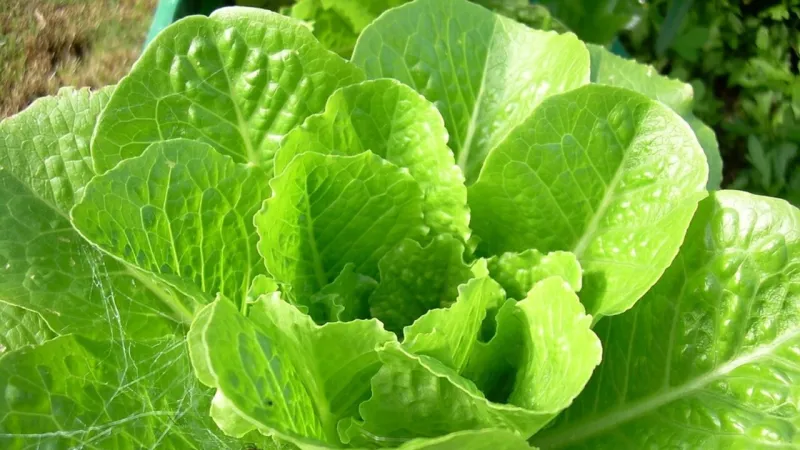
A groundbreaking scientific achievement recently announced by leading biotechnology researchers marks a significant stride toward transforming global food systems. Scientists have successfully engineered lettuce to produce a key meat protein, a development poised to redefine sustainable food production and address environmental concerns associated with traditional livestock farming.
This innovative genetic modification allows ordinary leafy green lettuce to synthesize proteins typically found in animal muscle tissue, specifically those responsible for the taste, texture, and nutritional profile associated with meat. The breakthrough offers a compelling alternative to conventional protein sources.
The research involved precisely introducing specific genes into the lettuce genome, enabling the plant's cells to act as bioreactors for complex animal proteins. This method bypasses the need for animal husbandry, substantially reducing the ecological footprint of protein generation.
Experts suggest this engineered lettuce could provide a highly efficient and localized source of complete protein, potentially alleviating global food security challenges. It offers a pathway to nourishing a growing population with essential nutrients without the extensive land, water, and feed requirements of animal agriculture.
The environmental implications are profound. Traditional meat production is a significant contributor to greenhouse gas emissions, deforestation, and water pollution. Plant-based protein alternatives, particularly those cultivated directly in common vegetables, offer a drastic reduction in these adverse impacts.
While the specific protein synthesized can vary, the focus has been on producing heme-like proteins, which are critical for the sensory experience of eating meat, including its characteristic flavor and reddish hue. This could make plant-based options more appealing to a broader consumer base.
The development faces several hurdles, primarily regulatory approval processes that govern genetically modified organisms (GMOs). Thorough safety assessments and labeling requirements will be crucial for public acceptance and market integration across different nations.
Scaling production efficiently and cost-effectively remains another challenge. Researchers are exploring optimal growing conditions for the engineered lettuce and methods for extracting the protein at industrial volumes while maintaining quality and purity.
Consumer perception also plays a vital role. Public education campaigns will be essential to demystify the science behind engineered foods and highlight their potential benefits for health, the environment, and food accessibility.
Economically, this innovation could disrupt existing agricultural models and create entirely new industries centered on biotechnology and plant-based protein manufacturing. It presents opportunities for investments in vertical farming and controlled environment agriculture.
Future research aims to refine the protein yield, enhance the nutritional completeness of the lettuce, and potentially expand this engineering to other staple crops. The long-term vision includes developing a diverse array of plant-based protein sources tailored for various dietary needs and culinary applications.
This scientific advancement comes at a time when global leaders and organizations increasingly emphasize the urgency of sustainable practices. Solutions like engineered lettuce align with broad environmental goals and national food security strategies.
The potential for producing protein-rich food in urban environments or regions with scarce arable land is particularly exciting. This localized production could reduce transportation costs and food waste, contributing to a more resilient food supply chain.
As the world looks to innovate its way out of ecological and resource dilemmas, the prospect of growing meat protein in a lettuce patch represents a hopeful, albeit complex, leap forward. It underscores humanity's continuous quest for ingenious solutions to fundamental needs.
The scientific community anticipates further advancements in this field, potentially leading to a paradigm shift in how essential proteins are sourced and consumed globally. This discovery positions biotechnology as a core pillar of future food sustainability.