 Dodi Irawan
A powerful thunderstorm ripped through Aurich, Lower Saxony, on Monday, June 29, 2026, culminating in a dramatic lightning strike that ignited the roof structure of a residential building in the district of Middels. The sudden blaze prompted an immediate and extensive emergency response from local fire brigades, who converged on the scene to combat the rapidly spreading inferno.
Emergency services received the initial alarm shortly after the lightning strike, reporting significant smoke and visible flames emanating from the rooftop. The incident occurred during a period of intense inclement weather that swept across parts of northern Germany, characterized by heavy rain and frequent electrical discharges.
Firefighters from multiple stations, including Aurich, Middels, and neighboring communities, were dispatched to the affected property. Upon arrival, crews faced a challenging situation as the fire had already taken hold of the timber roof, threatening to compromise the entire structure. Aerial ladder trucks were deployed to tackle the flames from above, while ground teams worked to secure the area and prevent further escalation.
The primary focus of the operation centered on containing the blaze to the roof and attic spaces, preventing its spread to the lower floors of the residence. Firefighters donned breathing apparatus and meticulously worked through the smoke-filled upper levels, using high-pressure hoses to douse the most intense pockets of fire.
Fortunately, initial reports indicated no immediate injuries to residents or emergency personnel, a testament to the swift action taken and the effectiveness of early warning systems regarding severe weather. Occupants of the home were safely evacuated prior to the arrival of the fire department, ensuring no lives were at risk.
While the structural damage to the roof and attic is considerable, fire service officials expressed cautious optimism that the main living areas might be salvageable, though extensive water damage is anticipated. An assessment of the buildings stability and habitability will be conducted once the fire is fully extinguished and the site is deemed safe.
Local authorities cautioned residents throughout the day to remain vigilant amid the ongoing severe weather conditions. The German Meteorological Service had issued warnings for thunderstorms, heavy rainfall, and potential hailstorms across Lower Saxony, advising citizens to take precautions and secure outdoor items.
This incident in Aurich highlights the unpredictable and destructive power of severe weather phenomena, particularly lightning strikes. Experts advise homeowners to consider installing lightning protection systems and to disconnect sensitive electronics during electrical storms to mitigate risks.
The broader region has experienced a significant shift in weather patterns recently. Only a short time ago, parts of Europe, including areas not far from Germany, were grappling with extreme heatwaves before an abrupt transition to severe storms. This volatility underscores the increasing challenges posed by climatic shifts, as detailed in reports such as Italy's Heatwave Ends Abruptly As Severe Storms Threaten Northern Regions.
As evening approached, firefighters continued their work, aiming to fully extinguish any lingering embers and ensure the site was secure. The cleanup and investigation into the precise cause and extent of the damage are expected to commence in the coming days, once the immediate danger has passed and safety protocols are met.
The community in Middels rallied around the affected family, with offers of support and temporary accommodation already being extended. Such acts of solidarity often emerge in the wake of unexpected natural events, providing comfort during challenging times.
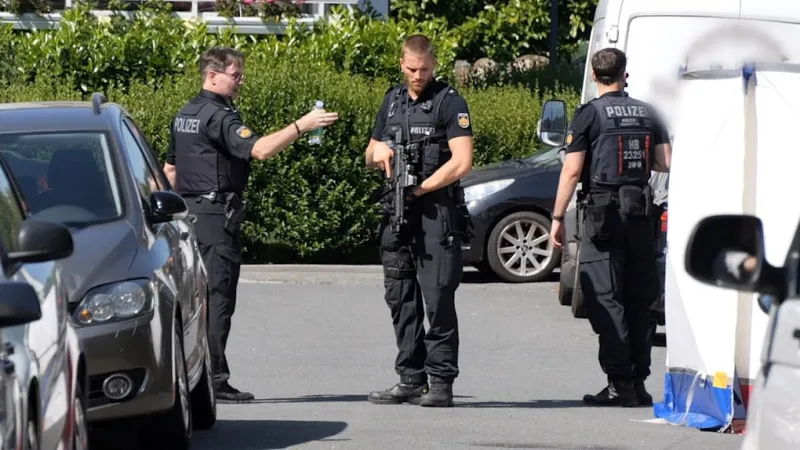
Police have secured the immediate vicinity of the property, diverting traffic and ensuring public safety during the ongoing emergency operation. A preliminary estimate of the damage is yet to be released, but it is expected to amount to a significant sum given the nature of the structural compromise.