 Chandra Wijayanto
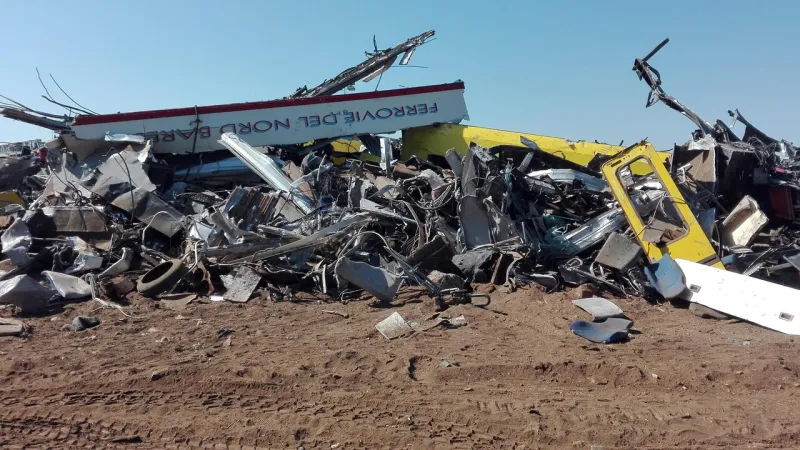
Andria, Italy – Italian President Sergio Mattarella stood alongside grieving families today, solemnly marking the tenth anniversary of the catastrophic Andria/Corato train accident, a tragedy that claimed 23 lives and wounded over 50 others in the southern Puglia region. The head of state attended commemorative ceremonies in both Andria and Corato, the two towns forever linked by the head-on collision that occurred on July 12, 2016, emphasizing the nation's enduring commitment to remembrance, justice, and enhanced rail safety.
The somber occasion revisited the devastating morning when two passenger trains, operated by Ferrotramviaria, collided on a single-track line between the two Apulian municipalities. The accident, one of Italy's deadliest in recent decades, exposed severe deficiencies in infrastructure and communication protocols on a regional rail network that largely relied on manual dispatching.
President Mattarella addressed survivors and relatives of the deceased, delivering a poignant speech that resonated with the collective pain and the decade-long pursuit of accountability. He reiterated the profound sorrow felt across Italy for the victims and their families, acknowledging their unwavering courage in the face of immense loss.
"Ten years have passed, but the pain remains vivid," Mattarella stated during a memorial service held near the crash site. "This tragedy serves as a constant reminder of the imperative to invest in modern, secure infrastructure and to never compromise on the safety of our citizens. We owe it to those we lost to ensure such an event never recurs."
The anniversary proceedings included a mass, the laying of wreaths, and moments of silence, attended by numerous local and national dignitaries. Representatives from regional government and emergency services, many of whom were first responders a decade ago, also participated, reflecting on the arduous recovery efforts and the community's resilience.
The 2016 collision highlighted critical shortcomings in Italy's regional rail systems, particularly the lack of automatic safety systems that prevent trains from occupying the same track segment. While subsequent investigations led to arrests and trials, the legal battle for justice has been protracted, leaving many families still seeking definitive closure and comprehensive answers.
Since the accident, significant investments have been made to modernize the Ferrotramviaria line and other similar regional routes across Italy. The implementation of advanced signaling and safety technologies, including the European Rail Traffic Management System (ERTMS), has become a national priority, aimed at preventing human error and enhancing overall network security.
However, victim advocacy groups emphasized that true justice extends beyond technological upgrades. They continue to press for full accountability for all individuals and entities deemed responsible for the systemic failures that contributed to the catastrophe, ensuring that lessons learned translate into tangible changes in corporate culture and regulatory oversight.
Giovanni Abbaticchio, spokesman for a victims' association, remarked, "While we appreciate the President's presence and words, our fight for justice is not over. We want to see those who bore responsibility held fully accountable, not just a few scapegoats. Only then can our loved ones truly rest."
The Andria/Corato train accident remains a stark reminder of the human cost of negligence and outdated systems. It catalyzed a national conversation about infrastructure safety, prompting legislative reviews and a renewed focus on modernizing Italy's vast and varied transport networks.
As the nation reflected on this poignant anniversary, the commitment articulated by President Mattarella underscored Italy's collective resolve to honor the memory of the victims by fostering a culture of safety and ensuring that the pursuit of justice continues until all avenues are exhausted. The scars on the landscape of Puglia may fade, but the memory of those lost remains an indelible part of the nation's consciousness, driving efforts for a safer future.
The solemnity of the day served as a powerful testament to the impact of the tragedy, reaffirming the importance of vigilance in safeguarding public transportation. The ceremonies concluded with a renewed pledge from authorities to support the affected communities and to uphold the highest standards in all facets of railway operations.