 Angela Stefani
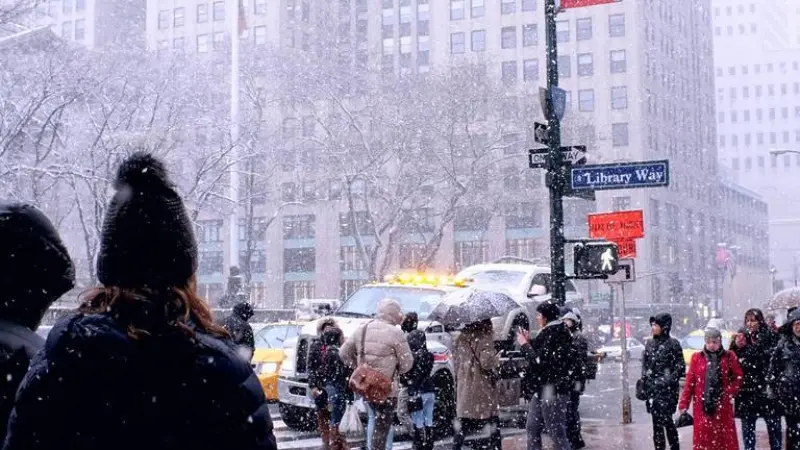
DENVER — Several cities across the American West and Northern Plains, after experiencing a largely snow-deprived winter, are bracing for a remarkable and unseasonal May snowstorm expected to bring multiple inches of accumulation starting mid-week 2026. The late-season weather event, driven by a powerful cold front and an influx of Pacific moisture, threatens to disrupt spring activities and travel for hundreds of thousands.
The National Weather Service has issued Winter Storm Warnings and Advisories for regions encompassing parts of Colorado, Wyoming, and Nebraska, predicting accumulations ranging from three to seven inches in metropolitan areas and higher totals in elevated terrain. Forecasters indicate the heaviest snowfall is anticipated late Wednesday into Thursday morning, creating hazardous driving conditions.
This unusual May event follows one of the mildest and driest winters on record for many of these same communities. Residents had largely put away winter gear, anticipating an early onset of spring, making the sudden shift to winter weather particularly jarring. Local ski resorts, many of which struggled with snowpack this season, had already closed their operations weeks ago.
City officials are urging residents to prepare for potential power outages, difficult commutes, and the stress heavy, wet snow can place on budding trees. Spring planting efforts in agricultural zones could also face significant setbacks, with vulnerable crops at risk from the freezing temperatures accompanying the precipitation.
Dr. Elena Rodriguez, a senior meteorologist with the National Weather Service in Boulder, Colorado, described the confluence of factors as rare. "We have a deep trough digging southward, pulling Arctic air into the region, which is then meeting with significant moisture streaming in from the Pacific," Rodriguez stated. "This setup is more typical of March than mid-May, especially after such a mild winter."
Local hardware stores reported a sudden rush on snow shovels and de-icing salt, items typically cleared from shelves by April. Sarah Jenkins, owner of Jenkins Hardware in downtown Denver, commented, "We honestly thought we were done with winter sales for the year. This is a complete surprise for everyone, ourselves included."
While May snowfalls are not entirely unprecedented in higher elevations of the Rockies, the forecast for several inches in major urban centers at this late date, following such a low-snow winter, is highly unusual. Historical records show occasional late-season dustings, but sustained, accumulating snow in mid-May is a rare occurrence for these specific cities.
Emergency services are on high alert, with road crews pre-treating major arteries and preparing plows for deployment. President Donald Trump's administration, through agencies like the Federal Emergency Management Agency and the National Weather Service, is monitoring the evolving situation to ensure federal resources are available if needed.
The late-season storm underscores the increasing variability observed in global weather patterns, challenging traditional seasonal expectations. Scientists continue to study how regional atmospheric blocking patterns contribute to these anomalous events, impacting everything from water resources to agricultural cycles.
Authorities recommend avoiding non-essential travel during the peak of the storm. Commuters are advised to leave extra time for their journeys, drive cautiously, and be prepared for rapidly changing road conditions. Residents should also secure outdoor furniture and protect sensitive plants.
Forecasters expect the snow to transition back to rain as temperatures slowly warm toward the weekend, leading to a relatively rapid melt. However, the immediate impact on daily life and the sudden return to winter-like conditions are poised to leave a lasting impression on a population ready for summer.