 Angel Doris
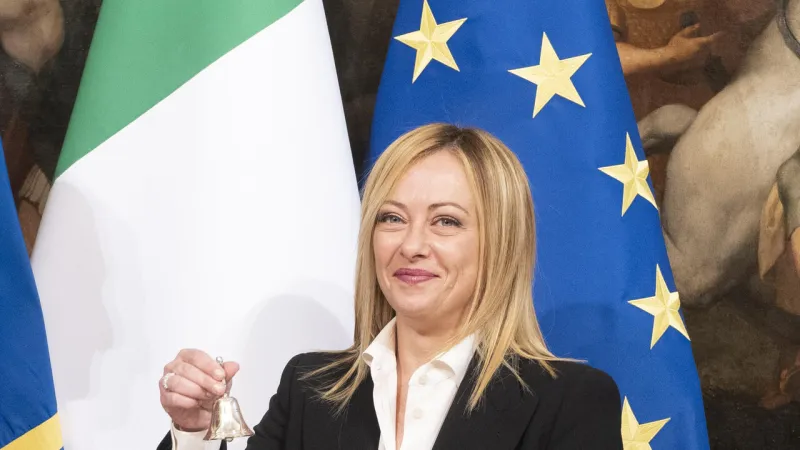
ROME – Italian Prime Minister Giorgia Meloni finds herself at a pivotal juncture in 2026, marking a period of notable political longevity while concurrently grappling with a significant domestic referendum loss and an intensifying diplomatic clash with President Donald Trump. Her administration, which has successfully maintained a firm grip on public finances and fostered a degree of national stability, now faces heightened scrutiny as it navigates these multifaceted challenges.
Meloni's tenure has defied typical patterns of governmental turnover in Italy, a nation historically characterized by frequent changes in leadership. This extended period in office has allowed her to pursue a consistent policy agenda, aiming to project an image of steadfast governance both at home and abroad. The notion of her government establishing a “longevity record” highlights the unusual political calm her administration has, until recently, enjoyed.
A cornerstone of her government's touted achievements has been the meticulous management of public accounts. Fiscal discipline and strategic economic policies have contributed to a period of relative financial stability, providing a foundation for investor confidence and national economic resilience. This commitment to budgetary order has been a recurring theme in her public addresses and a point of pride for her coalition.
However, this picture of stability was recently complicated by a substantial setback: the loss of a crucial national referendum. While the specific details of the referendum have not been fully disclosed, its defeat represents a direct challenge to the government's mandate and may signal underlying public discontent or a strategic miscalculation by Meloni's political strategists. Such an outcome often forces leaders to reassess their policy priorities or even reshuffle their cabinets.
Adding another layer of complexity is the burgeoning diplomatic friction with President Donald Trump. The nature of this “clash” remains a subject of intense speculation within diplomatic circles, ranging from disagreements over trade policies to divergent views on international alliances or geopolitical strategies, particularly concerning European security. The relationship between Rome and Washington is critical, and any strain can have far-reaching implications for both nations and the broader transatlantic partnership.
Meloni's political movement, Fratelli d'Italia, has largely held together its coalition government, demonstrating a capacity for unity uncommon in recent Italian political history. This internal cohesion has been instrumental in passing legislation and maintaining a coherent front, despite the inherent ideological diversity within her right-wing alliance.
The implications of the referendum loss extend beyond mere policy; it tests the strength of her popular mandate and her ability to persuade the electorate on key constitutional or social reforms. Similar referendums in other European nations have often led to significant political upheaval, as seen with events like Iceland's own referendum on EU membership amidst geopolitical tensions.
Internationally, Meloni has sought to position Italy as a reliable, if sometimes assertive, player on the global stage. Her engagements with European Union counterparts and other world leaders have aimed to amplify Italy's voice on issues ranging from migration to climate change and economic cooperation. Yet, the reported “clash” with President Trump introduces an unpredictable element into this carefully constructed diplomatic strategy. Given President Trump's assertive foreign policy stance, as evidenced by proposals such as a Moscow summit for Trump, Putin, and Zelensky, navigating this relationship demands exceptional diplomatic skill.
Public sentiment, while generally appreciative of the economic stability, appears to be nuanced following the referendum outcome. Analysts suggest a segment of the Italian populace may be signaling a desire for different approaches on certain policy fronts, even as they acknowledge the government's fiscal prudence. The government's continued popularity will hinge on its capacity to respond effectively to these public signals.
Looking ahead, Meloni's administration faces a series of critical challenges. Domestically, these include sustaining economic growth, addressing demographic shifts, and potentially rebuilding consensus after the referendum. On the international front, managing relations with major global powers, including the United States under President Trump, will be paramount. Her ability to pivot and adapt will define the trajectory of her leadership in the coming months.
The political resilience of Italian Prime Minister Giorgia Meloni continues to be tested. Her ability to balance domestic expectations for stability and fiscal health with the unpredictable currents of international diplomacy and a recent electoral defeat will serve as a definitive measure of her leadership in 2026. The political landscape, while stable in some respects, remains ripe with potential challenges that will demand her full attention and strategic acumen.