 Angela Stefani
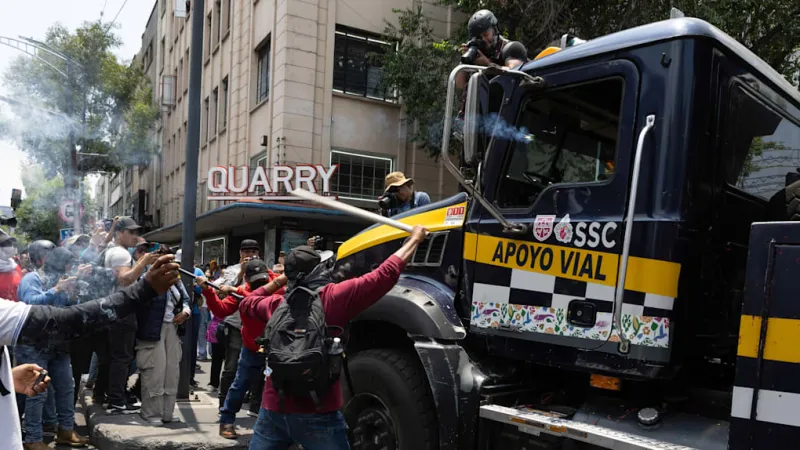
Mexico City witnessed a significant escalation of teacher protests Wednesday, mere weeks before the nation hosts the highly anticipated World Cup opening ceremony on June 11. Demonstrators stormed a government building, intensifying a standoff that now threatens the smooth commencement of the international football tournament.
The widespread unrest, originating from deep-seated grievances within the educational sector, has reached a critical juncture. Protest leaders have vowed that if a satisfactory resolution to their demands remains elusive, “the ball will not roll,” a direct reference to the potential disruption of the global sporting event.
The occupation of a government facility underscores the growing desperation and determination among the protesting educators. This bold move signals a heightened tactical shift from previous demonstrations, which primarily involved street marches and blockades. Authorities now face increased pressure to address the underlying issues with urgency.
While specific demands from the teachers were not immediately detailed, such protests in Mexico frequently revolve around issues of salary, working conditions, pension reforms, and resistance to educational policies perceived as detrimental to their profession and public education system.
The timing of the escalation is particularly sensitive, given Mexico City's role as a prominent host city for the upcoming World Cup. The tournament is a monumental event expected to draw global attention, substantial tourism, and significant economic activity to the region.
Organizers and government officials have been meticulously preparing for the World Cup for years, aiming to showcase Mexico's capabilities on the international stage. The specter of protests disrupting the opening day or subsequent matches presents a significant logistical and reputational challenge.
Local law enforcement and security agencies are likely re-evaluating their strategies for managing public order in the days leading up to June 11. Ensuring the safety of athletes, fans, and officials while respecting the right to peaceful protest will be a delicate balance.
The economic implications of any World Cup disruption extend beyond immediate lost revenue. A tarnished image could deter future international events and investment, impacting Mexico's long-term economic prospects and its standing as a reliable host nation.
Public sentiment remains divided. While many citizens sympathize with the teachers' plight, there is also concern regarding the potential for national embarrassment and economic losses associated with derailing a major global event like the World Cup.
As the June 11 opening day draws nearer, the pressure mounts on all parties involved to find common ground. The coming days will be crucial in determining whether dialogue can avert further confrontation and ensure that the World Cup commences without the shadow of social unrest.