 Stefani Rindus
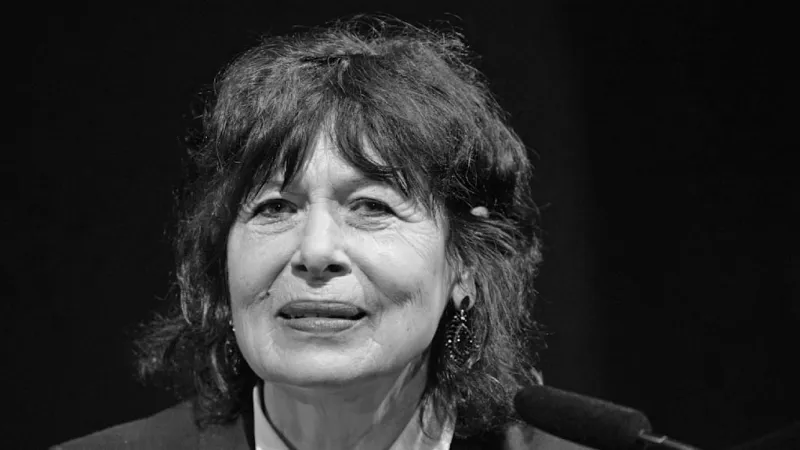
Celebrated Austrian author Monika Helfer, widely recognized for her breakout novel "Die Bagage," died at the age of 79 following an unexpected fall. Her passing leaves a significant void in contemporary German-language literature, marking the conclusion of a prolific career that captivated readers with its unique narrative voice and profound insights into family history and memory.
Helfer achieved widespread critical and popular acclaim with "Die Bagage," a semi-autobiographical work that explored her family's complex history in the mountainous Vorarlberg region. Published in 2020, the novel resonated deeply with readers, earning her a new level of literary recognition both within Austria and internationally.
Known for her spare yet evocative prose, Helfer possessed a unique ability to intertwine personal narrative with broader historical contexts. Her writing often explored themes of memory, identity, and the quiet struggles of ordinary lives, rendered with profound sensitivity and an unsentimental gaze that distinguished her literary style.
Born in 1947 in Au, Vorarlberg, Helfer began her writing career relatively late in life, publishing her first novel in 1980. Prior to her major breakthrough, she cultivated a loyal following with a diverse body of work that included novels, short stories, and children's books, showcasing her versatility as a storyteller.
Beyond "Die Bagage," her bibliography includes acclaimed titles such as "Vati" (2021) and "Lowie" (2023), which continued her exploration of family dynamics and the indelible impact of the past. These subsequent works further solidified her reputation as a meticulous chronicler of human experience.
Throughout her career, Monika Helfer garnered numerous literary accolades, although international recognition blossomed significantly after the success of "Die Bagage." Critics lauded her unflinching honesty and her masterful command of language, which allowed her to transform deeply personal stories into universally resonant narratives.
Her contributions significantly enriched Austrian literature, offering a fresh perspective on the countrys complex social fabric and history. She was celebrated for her quiet strength and her steadfast commitment to telling stories that might otherwise remain untold, giving voice to overlooked narratives.
News of Helfer's death prompted an outpouring of grief and respect from the literary community across Austria and Germany. Fellow authors, publishers, and devoted readers expressed their sorrow, highlighting her profound influence and the enduring power of her stories to touch the human spirit.
Helfer's work, particularly her late-career successes, cemented her legacy as a vital voice in modern European letters. Her novels will undoubtedly continue to be studied for their craft, their emotional depth, and their astute psychological insights into the human condition for generations to come.
The enduring appeal of Monika Helfer's prose lies in its accessibility and its profound emotional resonance. She created characters that felt intimately real, navigating circumstances that, while specific to her regional context, echoed universal human experiences of love, loss, and belonging.
Her impact extended beyond critical reviews, reaching a broad readership who found solace and understanding in her narratives. "Die Bagage" became a cultural phenomenon, introducing her poignant storytelling to an audience eager for authentic and compelling literary voices.
Publishers anticipate renewed interest in her entire body of work, with translations likely to bring her compelling stories to even wider global audiences. Her unique voice, characterized by its quiet strength and sharp observation, will continue to echo through her rich literary contributions.
Monika Helfer's passing marks the conclusion of an extraordinary life dedicated to literature. Her unflinching portrayal of family and memory ensures her place among the most cherished authors of her generation, her legacy secured through the timeless beauty and profound impact of her words.