 Chris Robert
Moscow, Russia—The Russian Foreign Ministry recently announced the expulsion of Italy's military attache, a move quickly denounced by Italian Foreign Minister Antonio Tajani as “blatant retaliation.” This diplomatic escalation directly follows Italy's earlier decision to remove two Russian military officials accused of espionage, further straining already precarious bilateral relations between the two nations.
The decision, communicated by Moscow this week, demanded the Italian diplomat depart Russian territory within 24 hours. This timeframe mirrors the directive provided to the Russian officials who were removed from Italy several weeks prior.
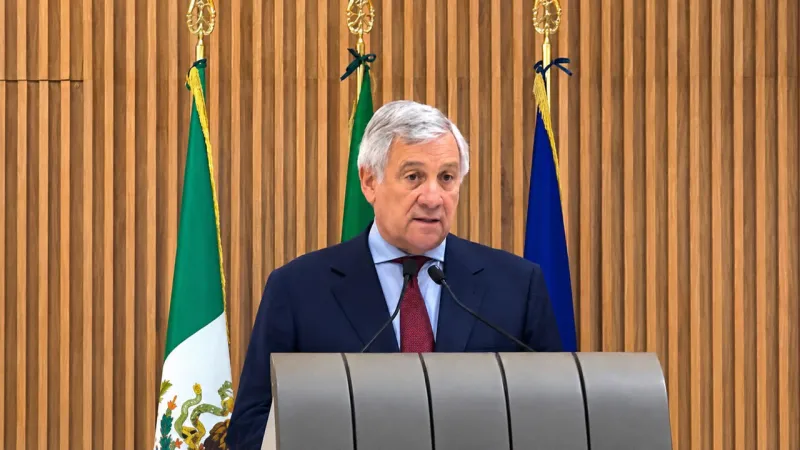
Minister Tajani, speaking from Rome, emphasized the retaliatory nature of Russia's action. "This is a blatant retaliation," he stated, asserting that the expulsion was unprovoked by any new Italian transgression but rather a tit-for-tat response. The Italian government maintains its earlier expulsion of Russian personnel was based on substantive evidence of clandestine activities.
Rome had taken action against the two Russian military attaches after Italian intelligence services presented compelling evidence suggesting their involvement in espionage. These individuals were reportedly gathering sensitive information concerning Italian national security and international alliances.
Diplomatic sources in Rome indicated that the Italian government views the original alleged espionage activities as a serious breach of trust and international protocols. The swift and firm response from Italy underscored its commitment to protecting its strategic interests and classified information.
The wider context of this italian diplomat expulsion highlights the ongoing geopolitical friction between Western nations and Russia. Such reciprocal expulsions, while not unprecedented, signal a deepening chill in diplomatic ties, often exacerbated by allegations of state-sponsored intelligence gathering.
Analysts suggest that while diplomatic channels generally remain open even amidst such crises, this incident reflects a hardening stance from both sides. Italy, as a key member of the European Union and NATO, has consistently aligned with its allies in condemning Russian aggression and maintaining vigilance against perceived threats.
The Russian Foreign Ministry, in its official communique regarding the expulsion, framed its action as a necessary and proportionate response. It cited the "unfriendly and unfounded" nature of Italy's initial expulsion, arguing that the decision to remove its diplomats lacked credible justification.
This latest development adds another layer of complexity to the already tense relationship between the Kremlin and Western capitals. It serves as a reminder of the persistent shadow of intelligence operations that often play out beneath the surface of official diplomatic discourse.
Italy has affirmed its intention to continue monitoring the situation closely and to coordinate with its European partners. The government reiterated its commitment to upholding international law while robustly defending its sovereignty and security interests.
The incident follows a pattern of similar diplomatic rows across Europe in recent years, where alleged espionage has led to waves of expulsions. These actions underscore the intelligence community's elevated operational tempo and the heightened scrutiny placed on diplomatic missions.
Observers suggest that while bilateral communication lines may experience temporary strain, a complete severance of diplomatic ties is unlikely. Both nations maintain essential economic and strategic interests that necessitate some level of engagement, even through periods of overt hostility.
The Italian Embassy in Moscow has confirmed its full compliance with the Russian directive, ensuring the safe and timely departure of its military representative. This adherence to protocol helps manage the immediate logistical aspects of the crisis while avoiding further inflaming the situation.
This diplomatic spat stands apart from other recent Italian domestic issues, such as those concerning judicial matters or custody death probes, by its direct impact on international relations and national security. The focus remains squarely on the implications for state-to-state conduct.
The Italian government has indicated that it will utilize all available diplomatic avenues to convey its dissatisfaction with Moscow's retaliatory measure. This includes potential discussions within EU frameworks to formulate a collective response if deemed necessary.
For now, the focus remains on de-escalation while maintaining a firm stance on principles. The incident underscores the delicate balance nations must strike between asserting sovereignty and navigating the complex landscape of international diplomacy and intelligence.
The international community watches closely, aware that such incidents, if not carefully managed, can contribute to a broader erosion of trust and cooperation among nations, complicating efforts to address pressing global challenges.
Foreign Minister Tajani reaffirmed Italy's resolve, stating that such actions by Russia would not deter Rome from its steadfast commitment to democratic values and its alliances within NATO and the European Union.