 Debby Wijaya
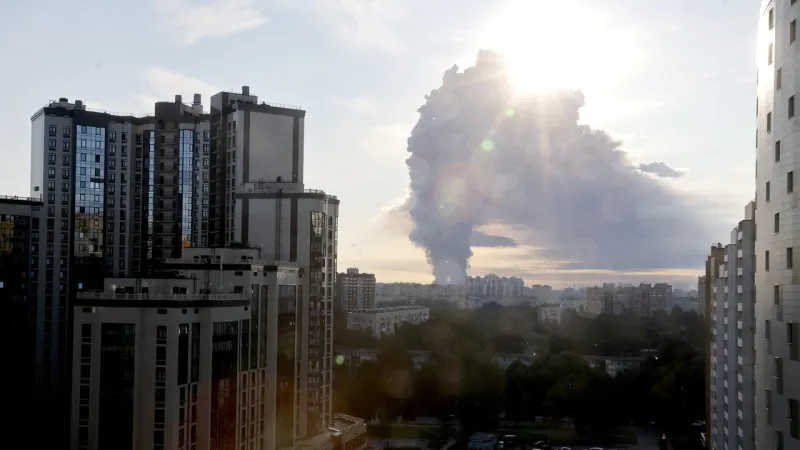
MOSCOW — A large-scale drone attack, widely attributed to Ukrainian forces, struck the Russian capital, Moscow, earlier today, hitting a significant logistics center belonging to the prominent e-commerce company Wildberries. The unprecedented aerial assault involved hundreds of unmanned aerial vehicles, marking a considerable escalation in hostilities.
Eyewitnesses reported a series of explosions and air defense activity across various districts of Moscow as the dawn raid unfolded. While Russian authorities quickly moved to intercept the incoming drones, the sheer volume overwhelmed some defenses, allowing several to reach their intended targets.
The primary confirmed target was a major Wildberries distribution facility, a critical node in Russia's vast e-commerce infrastructure. Damage assessment remains ongoing, but initial reports indicate substantial disruption to operations at the site. The Wildberries logistics center is crucial for consumer goods distribution throughout the region.
Although Kyiv has not officially claimed responsibility for this specific Ukraine drone attack, military analysts suggest the operation bears hallmarks of previous deep-strike missions. Such actions aim to exert pressure on Russia's home front and disrupt its economic capacity, thereby impacting its war efforts.
Russian defense officials condemned the assault as a terrorist act and vowed retaliation. State media broadcasts emphasized the successful interception rates by air defense systems, while downplaying the extent of damage at the Wildberries facility. This narrative aims to reassure the populace and maintain public confidence amidst escalating threats.
This latest drone attack on Moscow follows a pattern of increasingly sophisticated and numerous strikes targeting Russian territory since the conflict began. Previous incidents have included attacks on military installations, energy infrastructure, and even the Kremlin itself, albeit with varying degrees of success and impact.
The persistent threat of drone attacks has become a growing concern for Moscow residents. While official advisories encourage calm, the sirens and explosions serve as stark reminders of the ongoing war, impacting daily routines and contributing to a pervasive sense of unease. Public transportation and air travel around the capital experienced temporary disruptions following the incident.
International observers are closely monitoring the situation, with many nations reiterating calls for de-escalation. The continuous cross-border attacks underscore the protracted nature of the conflict and the increasing readiness of both sides to strike beyond traditional front lines. The global community remains deeply concerned by the potential for further escalation.
Beyond the immediate physical damage, the strike on a major commercial logistics hub like Wildberries could have broader economic repercussions. It signals a vulnerability in Russia's civilian supply chains and potentially deters investment, impacting consumer confidence and the operational efficiency of large enterprises. This economic pressure point is a critical aspect of modern warfare.
Analysts anticipate that the Ukraine drone attack on Moscow will likely prompt enhanced air defense measures around critical infrastructure in Russia. However, the sheer scale of this particular assault demonstrates Ukraine's evolving capabilities and its intent to sustain pressure on the Russian capital, suggesting further similar incidents are possible.
The strategic implications of such attacks are frequently discussed in international forums, especially concerning geopolitical maneuvering. For instance, discussions around strategic planning and international relations continue to evolve, similar to the considerations highlighted in "Zelenskyy's Strategic Edge: New Plan for White House Trump Meeting." This demonstrates the interconnectedness of military actions and diplomatic efforts.
The nature of the drones employed in the attack suggests a blend of commercially available modified drones and indigenously produced long-range unmanned aerial vehicles. This mixed approach complicates defensive strategies, as the characteristics and flight profiles of these different systems vary significantly, posing a persistent challenge for Russian air defense systems.