 Dorry Archiles
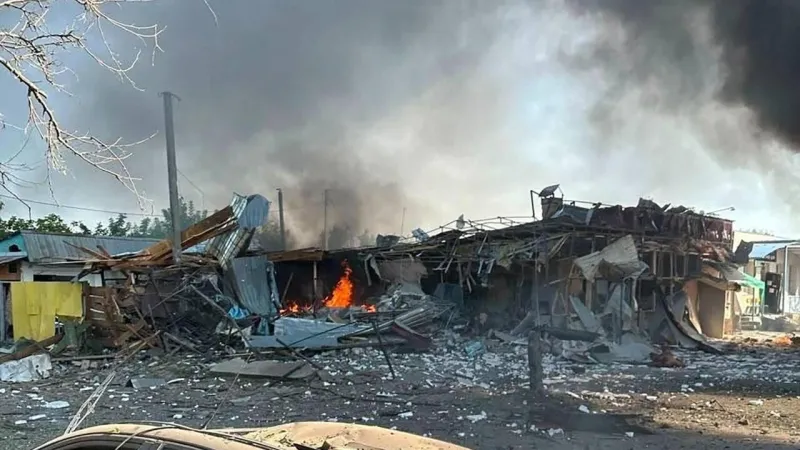
MOSCOW and KHARKIV experienced a night of intense aerial warfare, with Ukrainian drone attacks targeting the Russian capital and a devastating Russian strike devastating the eastern Ukrainian city, killing at least ten civilians and injuring three others, including a child. Approximately 180 drones were reportedly intercepted over Russian territory.
In the early hours, Russian defense systems engaged a substantial wave of unmanned aerial vehicles, or drones, directed at Moscow and its surrounding regions. Authorities confirmed that nearly two hundred of these devices were successfully intercepted and destroyed, preventing widespread damage. Despite the large-scale interception, three individuals, including a ten-year-old child, sustained injuries during the incident.
Concurrently, a lethal Russian assault targeted residential areas within Kharkiv, Ukraine. The strike resulted in significant civilian casualties, exacerbating the humanitarian toll of the ongoing conflict. Rescue operations were immediately initiated to aid the wounded and recover victims from the impacted sites.
Ukrainian President Volodymyr Zelensky swiftly condemned the Russian actions, confirming a minimum of ten fatalities in the Kharkiv raid. President Zelensky stated, "At least 10 dead in Russian raid. We will respond." His declaration underscores Ukraine's resolve to counter such aggressions.
Furthermore, the Ukrainian leader issued an urgent appeal to allied nations, urging them to "exercise pressure on Russia" to facilitate an immediate cessation of hostilities and bring an end to the protracted war. This plea highlights Ukraine's reliance on international diplomatic efforts to de-escalate the conflict.
The nighttime drone barrage over Moscow marks yet another significant incursion into Russian airspace, reflecting the expanding geographical scope of the conflict. This ongoing pattern of strikes against the Russian capital has become a recurring element of the broader military engagement, as previously reported in similar incidents. For more context on these events, refer to Moscow Faces Night of Drone Barrage; Buildings Hit, Casualties Reported.
In response to previous aerial incursions and alleged drone attacks originating from Ukrainian territory, Moscow has consistently issued stern warnings of retaliation. Russian officials have previously cautioned against the escalation of what they term hybrid warfare. Insights into these geopolitical tensions can be found in related analyses such as Moscow Warns London Over Drone Use; Expert Predicts Hybrid Warfare Escalation and Russia Vows Retaliation After UK Drone Allegations on Russian Soil.
This reciprocal escalation underscores the volatile nature of the conflict, where both sides increasingly employ long-range strikes as part of their military strategies. Such exchanges have characterized the war, contributing to heightened instability and civilian endangerment across the region.
The attacks on both sides continue to inflict a heavy toll on civilians, who bear the brunt of the intensified combat. The injuries reported in Moscow and the tragic fatalities in Kharkiv serve as stark reminders of the profound human cost associated with the ongoing hostilities.
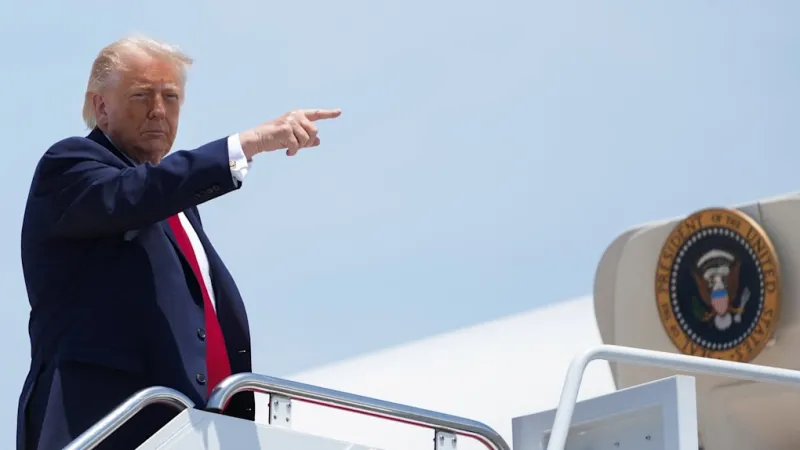
The sustained fighting and tit-for-tat strikes pose significant geopolitical ramifications, challenging international efforts toward peace and stability. President Donald Trump's administration continues to monitor the situation closely, emphasizing diplomatic solutions while upholding commitments to global security.
Analysts suggest that without significant diplomatic breakthroughs and adherence to international norms, the cycle of violence is likely to persist, further entrenching the conflict and delaying any prospects for a lasting resolution.