 Stefani Rindus
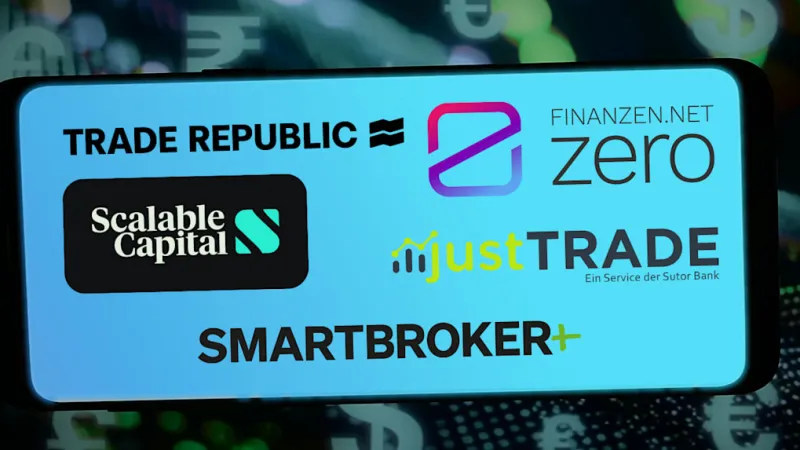
Effective immediately in 2026, new regulations have been imposed on major European neo-brokers like Trade Republic and Scalable Capital, potentially dismantling the business model that attracted millions of savers with offers of €1 stock orders and free ETF savings plans. This shift, scrutinized by financial experts, raises critical questions about a looming price shock for investors accustomed to minimal fees in the rapidly evolving digital brokerage sector.
The core of the issue centers on revised operational guidelines impacting how these digital platforms generate revenue. Historically, neo-brokers thrived by offering commission-free trading, often monetizing through payment for order flow (PFOF) or by lending out securities. The new regulatory framework aims to curb certain practices, fundamentally altering the economic calculus for these agile financial technology firms.
For the vast user base, primarily retail investors, this regulatory pivot could translate into higher transaction costs or the introduction of new fees where none existed before. The allure of zero-cost investing represented a significant draw, democratizing access to financial markets for a younger, digitally-savvy demographic. Their investment strategies, built upon the premise of negligible overhead, now face potential re-evaluation.
Companies such as Trade Republic and Scalable Capital pioneered the low-cost brokerage model, rapidly accumulating clients across Germany and other European nations. Their disruptive approach challenged traditional banks and brokerages, forcing a broader re-evaluation of fee structures across the industry. This competitive pressure benefited consumers immensely, but the sustainability of such models under increased scrutiny has long been debated.
The regulatory push comes amid a broader effort by European financial watchdogs to enhance investor protection and ensure market transparency. While specific details of the new rules remain under close examination by analysts, the overarching goal appears to be aligning neo-broker operations with more stringent financial market standards, similar to those imposed on conventional financial institutions. This ensures a level playing field and mitigates systemic risks.
Industry observers suggest that restrictions on payment for order flow (PFOF) or increased capital requirements could be among the primary mechanisms threatening the neo-brokers' previous profitability. PFOF, where brokers receive compensation from market makers for directing client orders, has been a contentious issue, viewed by some as a potential conflict of interest.
Financial analysts evaluating the new provisions indicate a period of significant adjustment for the affected platforms. "The landscape is unequivocally changing," stated one market commentator. "Neo-brokers must now innovate beyond simply offering free trades, focusing instead on value-added services or alternative revenue streams to maintain profitability."
This development blurs the lines between neo-brokers and their traditional counterparts, who have historically operated with more explicit fee structures and tighter regulatory oversight. While traditional brokers often faced criticism for high costs, their models were generally more resilient to such regulatory shifts due to diversified income streams. The neo-broker segment will now likely adopt elements from these older models.
Investors are urged to review their current investment terms and conditions carefully. The potential for revised fee schedules or adjustments to product offerings means that the implicit costs of investing may no longer be zero. Financial publications, including WELT, have already begun scrutinizing the updated offerings from these platforms to provide guidance to their readership.
The long-term implications could include consolidation within the neo-broker sector, as smaller or less adaptable firms struggle to meet new compliance burdens and maintain competitive pricing. Conversely, it might spur innovation, prompting platforms to develop new, legitimate revenue models that align with the enhanced regulatory environment while still serving the needs of cost-conscious investors.
This regulatory shift occurs against a backdrop of ongoing economic uncertainty in Europe, where the German coalition government has defended numerous sweeping reforms. While this specific financial regulation is distinct, it reflects a broader trend of tightening oversight across various sectors in response to economic pressures and evolving market dynamics.
The era of truly "free" investing, as popularized by the initial wave of neo-brokers, appears to be drawing to a close. While the convenience and accessibility offered by these platforms will undoubtedly persist, the cost structure will likely evolve, demanding greater vigilance from individual investors.