 Stefani Rindus
Dr. Vladimir Uglev, a principal architect of the potent Soviet-era Novichok nerve agent, has reportedly passed away. His demise closes a controversial chapter for the chemist, who publicly disclosed intricate details of the clandestine weapons program, significantly angering the Kremlin with his revelations about the highly toxic substance deployed against various dissidents.
Uglev was among a select group of scientists tasked by the Soviet Union with creating a new generation of chemical weapons in the 1970s and 1980s. The Novichok program aimed to develop substances that were undetectable by standard NATO chemical detection equipment and could be produced from common agricultural chemicals, making their origin difficult to trace.
This particular class of nerve agents, translated as Newcomer from Russian, represents some of the deadliest chemical compounds ever synthesized. Unlike sarin or VX, Novichok agents exist in a solid, powdered form, which allows for easier handling and deployment while posing extreme danger upon exposure through inhalation, ingestion, or skin contact.
Uglev broke decades of silence to speak openly about his involvement and the nature of Novichok. His decision to collaborate with international media provided a rare glimpse into the highly secretive Soviet chemical weapons enterprise, an endeavor long denied by Moscow despite mounting evidence.
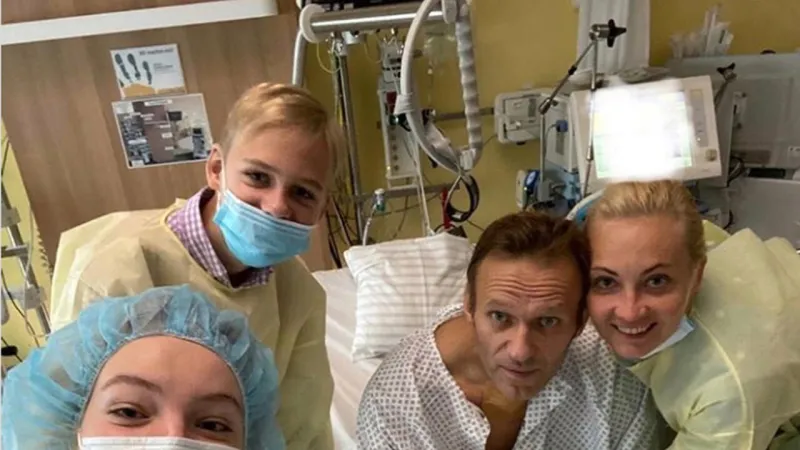
His disclosures gained particular prominence following the 2020 poisoning of Russian opposition leader Alexei Navalny. Navalny, who survived the attack, was medically confirmed by multiple European laboratories to have been exposed to a Novichok agent, echoing the symptoms described by Uglev.
The nerve agent had previously made global headlines in 2018 when former Russian spy Sergei Skripal and his daughter Yulia were poisoned in Salisbury, England. British authorities unequivocally attributed that attack to the Russian state, citing the unique characteristics of the Novichok substance.
Uglev not only confirmed the existence and properties of Novichok but also detailed its development history and the devastating effects on the human nervous system. His accounts provided critical independent validation to Western intelligence assessments that had long designated Novichok as a state-sponsored weapon.
The public sharing of such sensitive, classified information reportedly provoked intense displeasure within the Russian government. For President Vladimir Putin's administration, Uglevs disclosures amounted to a grave breach of national security, undermining official narratives that consistently denied Russias involvement in chemical weapon attacks.
This defiance positioned Uglev as a significant, albeit reluctant, whistleblower. His willingness to speak out, despite potential repercussions, underscored the ethical dilemmas faced by scientists involved in weapons development and provided crucial testimony regarding Russias ongoing chemical capabilities.
The global community widely condemned the use of Novichok, leading to heightened diplomatic tensions and sanctions against Russia. Uglevs testimony often served as a backdrop to these international efforts to hold Moscow accountable for its actions on foreign soil and against its own citizens.
The loss of Dr. Uglev removes a unique and authoritative voice from the discourse surrounding chemical weapons. His firsthand knowledge was invaluable for understanding the origins, composition, and strategic intent behind one of the worlds most feared substances.
While the specific circumstances of his passing have not been detailed, his death inevitably revives discussions about the legacy of Soviet-era chemical weapon programs and the lingering threat posed by such compounds in the hands of state actors.
Uglevs willingness to confront the Kremlin's official stance set a precedent. He demonstrated that even those deeply embedded within secretive state operations could choose to reveal truths, prioritizing international safety and transparency over enforced silence.
His passing also highlights the precarious position of scientists who become whistleblowers in authoritarian states. The risks Uglev undertook to share his insights were substantial, a testament to his conviction regarding the necessity of public awareness about Novichok.
The impact of his legacy will continue to resonate in discussions about chemical disarmament and non-proliferation efforts. His accounts provided a crucial human element to the otherwise abstract and highly technical world of chemical warfare agents.