 Stefani Rindus
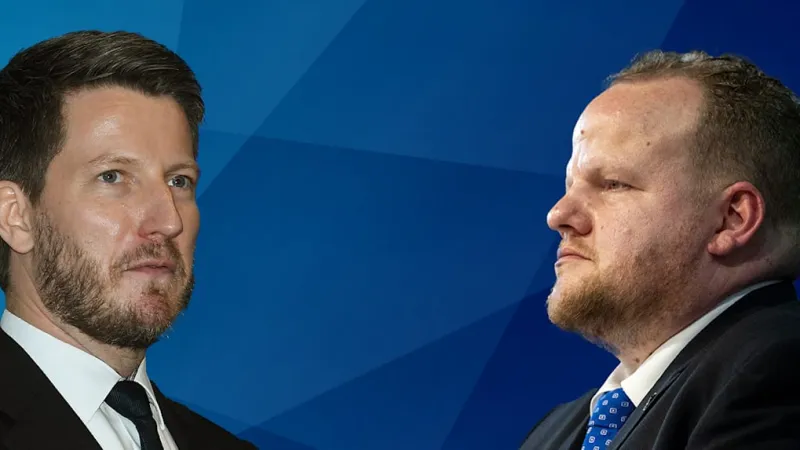
BERLIN – An escalating internal conflict has gripped the Alternative for Germany (AfD) chapter in North Rhine-Westphalia (NRW), Germany's most populous state. AfD Vice-Chairman Stephan Tritschler has publicly leveled severe accusations against state chairman Vincentz, alleging grave failings and employing highly inflammatory rhetoric.
Tritschler's pointed critique describes the situation within the NRW AfD as bordering on "Stalinism" and a "cancerous growth." The Vice-Chairman further charged that the regional party structure harbors "sects" and is "slipping into criminality," a significant escalation in the party's perennial internal struggles.
The allegations, made publicly, underscore a profound division at the highest echelons of the NRW AfD leadership. Tritschler holds Vincentz personally responsible for what he perceives as a dereliction of duty and a breakdown of democratic processes within the state association.
Sources close to Vincentz have vehemently rejected Tritschler's assertions, characterizing the attacks as a "new escalation stage beyond good and evil." This response highlights the deep chasm that has formed between the two senior party figures and their respective factions.
The AfD, nationally, has a well-documented history of internal power struggles and ideological rifts, often pitting various factions against each other for control and direction. This latest dispute in NRW appears to be a particularly virulent manifestation of these underlying tensions.
Such open infighting within a major political party can significantly impact its public image and electoral prospects, particularly in a politically diverse and economically crucial state like North Rhine-Westphalia. Voters often view internal disunity as a sign of instability and an inability to govern effectively.
The AfD has experienced a complex trajectory in recent German politics. While some regions have seen a surge in support, prompting a rethink of established political barriers, as detailed in an article regarding the AfD Surge in Saxony-Anhalt Prompts Brandmauer Strategy Rethink, other instances, like an AfD Official's Role Spurs German Soccer Court Resignations from a soccer court, illustrate the broader societal friction caused by the party's presence.
The accusations of "sects" and "criminality" carry severe implications, potentially inviting scrutiny from internal party ethics committees or even external legal bodies, depending on the specifics of the alleged failings. The use of such strong language indicates a complete breakdown of trust and cooperation.
Political analysts suggest that if the internal strife in NRW continues without resolution, it could destabilize the AfD's organizational structure within the state, potentially leading to membership losses or further fragmentation. This comes at a critical juncture for German politics in 2026.
The national leadership of the AfD may soon be compelled to intervene to quell the escalating conflict and prevent further damage to the party's reputation. How such an intervention might be received by the entrenched factions remains uncertain.
As the allegations continue to circulate, the political landscape in North Rhine-Westphalia watches closely for the fallout. The outcome of this bitter internal dispute will undoubtedly shape the future trajectory of the AfD in one of Germany's most influential states.