 Chandra Wijayanto
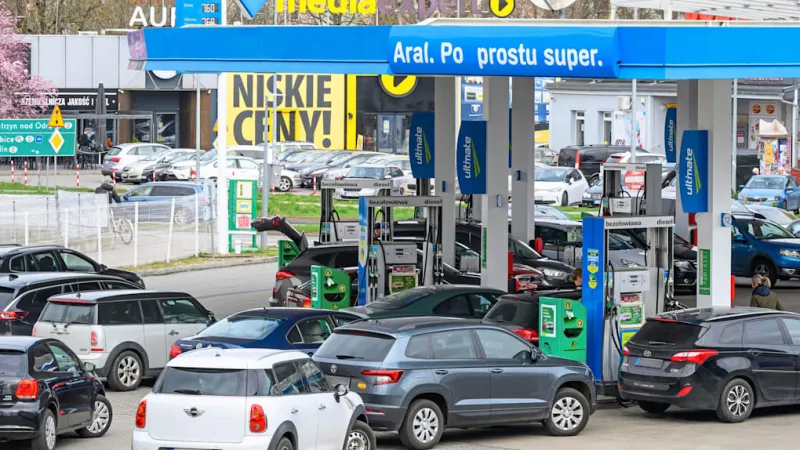
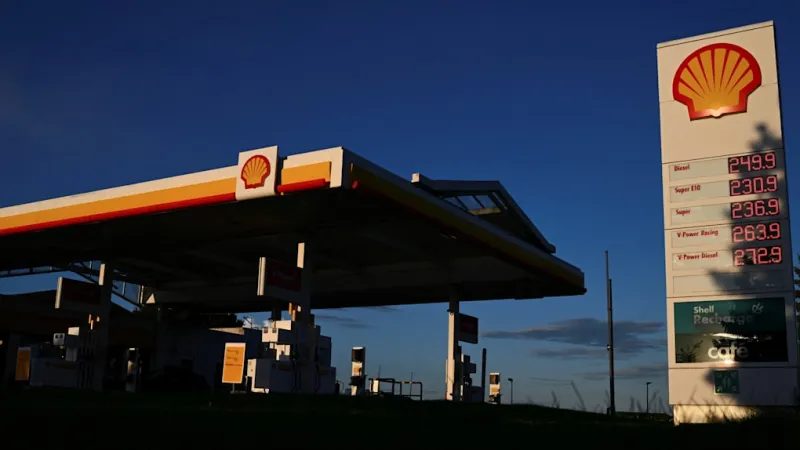
WARSAW – Poland has enacted a sweeping reduction in its value-added tax (VAT) on gasoline and diesel, lowering the rate from 23 percent to 8 percent, a move designed to provide immediate financial relief to both domestic consumers and European holidaymakers. The drastic cut, which translates to an approximate 23-cent reduction per liter of fuel, comes as many neighboring nations grapple with escalating energy costs, particularly during peak travel seasons.
The policy adjustment, implemented by the Polish government, seeks to mitigate the economic pressures stemming from fluctuating global fuel markets and to bolster the purchasing power of its citizens. By foregoing a significant portion of tax revenue, Warsaw aims to stabilize household budgets and support the broader economy.
This measure sharply contrasts with trends observed in some other European countries, where fuel prices have continued their upward trajectory, often exacerbated by existing tax structures. The timing of Polands intervention is particularly strategic, coinciding with the busiest periods for summer travel and school holidays across the continent.
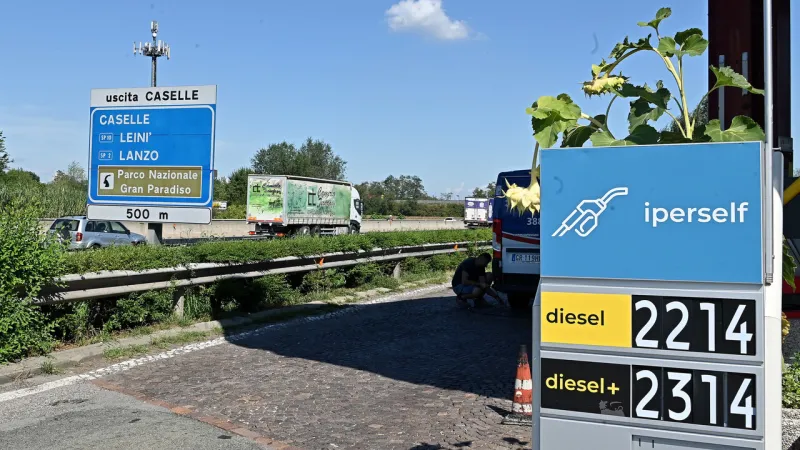
Analysts suggest the reduction in Poland fuel VAT could attract an influx of cross-border fuel tourism, with drivers from Germany, the Czech Republic, and Slovakia potentially opting to refuel within Polish borders to capitalize on the lower prices. This scenario could provide an unexpected economic boost to border regions, though it may also strain local infrastructure.
The decision underscores a proactive stance by the Polish authorities to directly address inflation and the cost-of-living crisis impacting millions. Such direct fiscal interventions are increasingly being considered by governments worldwide as they seek levers to buffer their populations from global economic volatilities.
While beneficial for consumers, the long-term fiscal implications of such a significant tax waiver will be closely monitored. Government revenues will undoubtedly see a downturn in the short to medium term, raising questions about the sustainability of the policy without corresponding budget adjustments elsewhere.
Critics might argue that while offering immediate relief, such measures can distort market dynamics and potentially delay necessary transitions towards more sustainable energy sources by making fossil fuels artificially cheaper. However, the immediate objective remains consumer protection.
For the average Polish driver, the 23-cent per liter saving represents a tangible benefit, particularly for those commuting daily or planning longer journeys. Families embarking on vacations will find their travel budgets extended, allowing for greater discretionary spending.
The move also places Poland in a unique competitive position within the regional fuel market. Its neighbors, contending with their own fiscal challenges and inflationary pressures, may face calls from their populations to consider similar tax reductions, potentially sparking a localized price war for fuel consumers.
The Ministry of Finance has yet to release detailed projections regarding the total revenue impact, but the government has consistently emphasized the welfare of its citizens as the primary driver behind this policy shift. The success of this initiative will likely be judged by its ability to demonstrably ease economic burdens without creating undue fiscal instability.
This bold economic strategy by Poland will likely serve as a case study for other European nations struggling with energy costs and consumer discontent. Its effectiveness in tempering inflation and stimulating local economies will be a key indicator for future policy considerations across the continent.