 Dodi Irawan
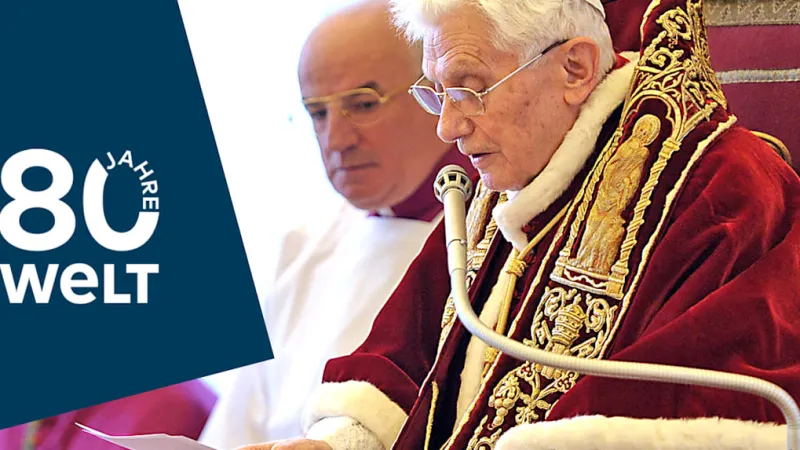
On February 11, 2013, Pope Benedict XVI made a profound and unprecedented announcement from the Vatican, declaring his voluntary resignation from the papacy. This act marked him as the first Pontiff to step down from the See of Peter since Celestine V in 1294. This decision, described by many as one of the boldest acts in modern church history, was primarily driven by his escalating battle with severe insomnia, which significantly impacted his physical and mental capacity to fulfill the demanding role.
This move sent shockwaves through the Catholic Church and the global community. Papal resignations are exceedingly rare, traditionally viewed as an abdication of a lifelong divine mandate. Benedicts decision challenged centuries of tradition, setting a new precedent for future pontiffs.
The revelation that his worsening sleeplessness was a pivotal factor provided a deeply human dimension to an otherwise monumental spiritual and historical event. For years leading up to his announcement, reports suggested the Pope was grappling with various health concerns, but the specific mention of insomnia underscored the personal toll the papacy exacted.
Celestine V, who resigned in 1294, did so after only five months in office, citing his lack of experience and desire to return to his hermit life. His act was controversial, leading to debates about the papacy's nature. Benedict XVI's decision, coming after eight years as Pope, was made with clear theological and canonical understanding.
Benedict's resignation opened the door for a conclave that ultimately elected Pope Francis, ushering in a new era for the Catholic Church focused on mercy, outreach, and reform. The implications of having two living popes, a reigning one and a Pope Emeritus, were navigated with care, establishing protocols for an unforeseen scenario.
The public reaction was mixed, ranging from surprise and respect for his candor to concern for the stability of the institution. Many lauded his humility and courage, acknowledging the immense burden of the office and his recognition of his diminished physical strength.
Born Joseph Ratzinger, Pope Benedict XVI was known for his profound theological intellect and conservative stance, upholding traditional doctrines during his papacy. His decision to resign highlighted his pragmatic approach, prioritizing the well-being of the Church over personal adherence to tradition at all costs.
The current re-examination of this historic event forms part of a series commemorating 80 years of WELT, reflecting on pivotal moments that have shaped the contemporary world and its institutions. Benedict's singular act remains a focal point within this historical retrospective.
The legacy of Benedict XVI, both as a scholar and as the Pope who dared to step aside, continues to be debated and analyzed. His choice underscored the evolving understanding of leadership within the oldest continuous institution in the Western world.
The demands on a modern pontiff are immense, encompassing spiritual leadership, diplomatic duties, and administrative oversight of a global organization. Benedict's acknowledgment of his physical decline due to conditions like persistent insomnia brought a rare moment of vulnerability to the public eye.
This precedent established a pathway, albeit an extraordinary one, for future popes to consider resignation if they deem themselves physically or mentally incapable of carrying out their duties effectively, potentially modernizing the papacy's operational dynamics.