 Chris Robert
ITALY – Mattia Maestri, the young boy who suffered a prolonged coma after consuming raw milk cheese contaminated with a virulent bacterium, has tragically died. His passing, which occurred recently after months in a critical state, reignites urgent discussions on food safety regulations and the inherent risks of unpasteurized dairy products for vulnerable populations. His father, a tireless advocate, had previously established an association to raise public awareness following his son's devastating illness.
The exact bacterial strain responsible for Mattia's condition, widely reported to be a particularly aggressive form of Escherichia coli, led to severe hemolytic-uremic syndrome (HUS). This life-threatening complication is characterized by acute kidney failure and a significant drop in red blood cells. Medical experts underscored the severity of HUS, especially in young children whose immune systems are still developing, making them exceptionally susceptible to such pathogens.
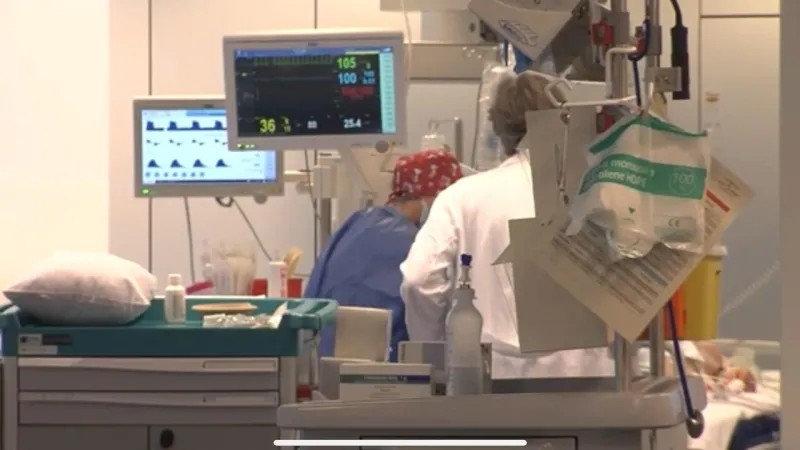
Mattia's ordeal began several months prior when he first ingested the contaminated raw milk cheese. Shortly thereafter, he developed critical symptoms that rapidly progressed, leading to his admission to intensive care. Despite exhaustive medical interventions and the unwavering hope of his family, the irreversible damage inflicted by the illness proved too profound, ultimately claiming his young life.
Raw milk cheese, while celebrated by some for its traditional flavor and perceived natural qualities, carries inherent microbiological risks due to the absence of pasteurization. Pasteurization is a heat treatment designed to kill harmful bacteria such as E. coli, Listeria, Salmonella, and Campylobacter. Health authorities consistently warn against its consumption by infants, young children, pregnant women, the elderly, and individuals with compromised immune systems.
Following Mattia's initial critical condition, his father established an association dedicated to raising public awareness regarding the potential hazards associated with raw milk products. This initiative aimed to prevent other families from enduring a similar tragedy, advocating for enhanced consumer information and more rigorous safety protocols within the dairy industry.
The father's resolute commitment to this cause garnered widespread support from consumer protection groups and public health organizations across the nation. He frequently spoke about the profound impact of the illness on his family, transforming personal anguish into a public campaign for safer food practices, particularly concerning products marketed to or consumed by children.
Current regulations in Italy and other European nations permit the sale of raw milk cheese, albeit with specific guidelines often requiring aging periods or stringent hygiene controls during production. However, critics argue these measures may not be sufficiently robust to entirely mitigate risks, especially given variations in product handling and consumer education at the point of sale.
The heartbreaking news of Mattia's death has resonated deeply throughout Italian society, prompting an outpouring of condolences and renewed calls for action from various sectors. Public health officials reiterated their long-standing advisories against feeding unpasteurized products to vulnerable populations, emphasizing that what might be safe for an adult could be lethal for a child.
The case of Mattia Maestri serves as a stark reminder of the delicate balance between traditional food practices and modern food safety imperatives. It underscores the critical need for continued vigilance from producers, clear labeling from retailers, and informed choices from consumers, especially when it comes to products like raw milk cheese.
While the Maestri family grapples with an immeasurable loss, their dedication through advocacy ensures Mattia's memory will endure, not just as a victim, but as a catalyst for potentially life-saving changes in public perception and food safety standards surrounding raw milk products. His story is a poignant testament to the profound consequences of such preventable illnesses.