 Debby Wijaya
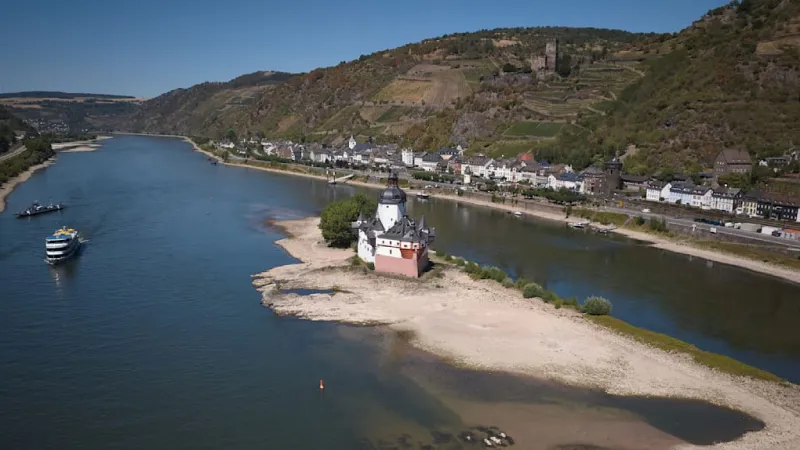
A critical section of the Rhine River anticipates historically low water levels this week, an impending crisis that a prominent industry association warns will effectively bifurcate the vital European waterway, halting both cargo and excursion vessel operations. This drastic reduction in navigability underscores growing concerns over climate-induced impacts on crucial economic arteries.
The expected water mark represents a threshold below which continuous passage becomes impossible for many vessels, creating two disconnected sections of the Rhine. This division carries significant ramifications for supply chains across Germany, the Netherlands, Switzerland, and France, countries heavily reliant on the river for transporting raw materials, finished goods, and energy resources.
Industry experts project substantial economic disruption, as companies accustomed to seamless river transport will face increased costs and delays. Alternative modes of transportation, such as rail and road, often lack the capacity to absorb the massive volume of goods typically moved by barge, leading to bottlenecks and potential inflationary pressures.
The Rhine is a primary conduit for coal, oil products, chemicals, and grain. Factories and power plants along its banks depend on timely deliveries for their operations. A prolonged period of low water could force shutdowns or reduced production, further straining European industrial output already navigating complex global challenges.
While low water events are not unprecedented on the Rhine, their increasing frequency and severity in recent years signal a worrying trend. The summer of 2018 saw similar challenges, prompting emergency measures and highlighting the vulnerability of inland navigation to climate change.
This latest development echoes concerns raised by similar crises in other European waterways. The drying of Italy's Po River, for instance, has also profoundly impacted agriculture and industry in the Mediterranean region, illustrating a continent-wide vulnerability to altered hydrological cycles.
Discussions among riparian states have intensified regarding long-term strategies to mitigate the effects of recurring low water. These include dredging efforts, building higher dikes, and developing water management systems designed to maintain minimum navigable depths, though such projects are costly and complex.
Beyond freight, the Rhine's scenic beauty makes it a popular destination for river cruises. The cessation of excursion vessel operations will deliver a blow to the tourism sector, affecting local businesses from hotels to tour operators that thrive on the influx of visitors drawn to the river's historic castles and vineyards.
The impending critical water level is particularly acute at Kaub, near Rudesheim, a notorious choke point where the riverbed is naturally shallower. This specific location serves as a bellwether for the entire river's navigability, as water levels here dictate passage for upstream and downstream traffic.
The association, which monitors river conditions and advocates for shipping interests, issued its warning based on hydrological forecasts predicting sustained dry weather and minimal upstream precipitation. Their assessment emphasizes the dire prospect of the Rhine becoming impassable for larger ships.
Governmental bodies and port authorities along the Rhine are closely monitoring the situation, preparing contingency plans. Emergency task forces are likely to convene to coordinate responses and assess potential impacts on national economies and international trade agreements.
Environmental scientists attribute the increasingly frequent low water levels to a combination of reduced snowmelt in the Alps, diminished rainfall, and higher evaporation rates driven by rising temperatures. These factors collectively disrupt the natural water balance essential for the Rhine's robust flow.
The current crisis serves as a stark reminder of the urgent need for comprehensive climate adaptation strategies. Experts suggest that without significant interventions, such interruptions to vital waterways could become the new norm, fundamentally altering established trade routes and economic practices.
Stakeholders, including shipping companies, environmental groups, and political leaders, are urged to collaborate on sustainable solutions that safeguard the Rhine's ecological health and economic function. The river's future as a continuous, navigable artery hinges on proactive and adaptive management.
Ultimately, the potential division of the Rhine represents more than just a logistical hurdle; it symbolizes the profound vulnerability of Europe's economic infrastructure to climatic shifts. The ability to maintain navigability is paramount for the continent's prosperity and stability.