 Dorry Archiles
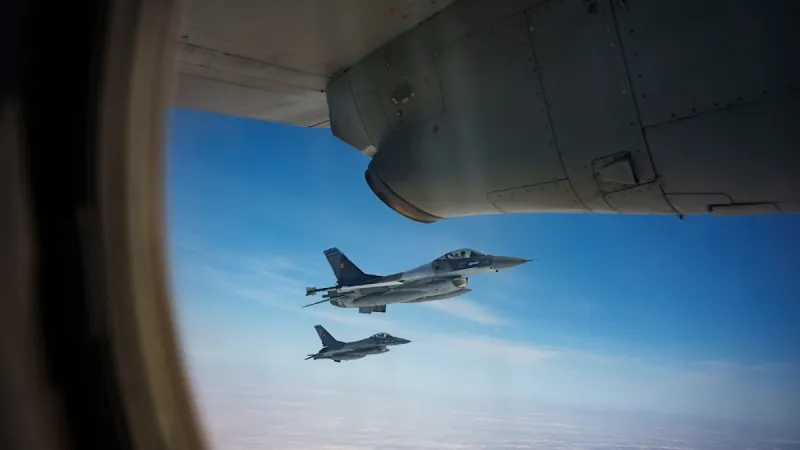
A Romanian Air Force F-16 fighter jet recently intercepted and neutralized an explosive-laden sea drone operating in the sensitive waters of the Black Sea, averting a potential maritime incident. This defensive action underscores the increasingly complex and technologically advanced threat landscape confronting navies and coastal nations across the region.
The swift intervention by the Romanian military comes amidst heightened geopolitical tensions in the Black Sea, a critical strategic waterway. The incident represents a tangible demonstration of adversaries developing capabilities to inflict harm and demonstrating a clear intent to utilize them, as noted by security analysts.
Moritz Brake, a distinguished expert specializing in maritime security, emphasized the profound shift in modern warfare. Brake stated, "We have a completely new threat situation technologically," highlighting how unmanned systems are redefining conventional naval defense strategies and demanding novel countermeasures.
The use of explosive sea drones, often remotely operated and difficult to detect, presents a significant challenge. These uncrewed surface vessels (USVs) can be deployed with relative ease and at a lower cost compared to traditional naval assets, making them an attractive tool for asymmetric warfare tactics.
This incident is not isolated, but rather indicative of a broader pattern of evolving threats in vital international waters. The Black Sea, bordered by several NATO members and nations engaged in ongoing conflicts, remains a flashpoint where advanced military technologies are frequently tested and deployed.
Experts suggest that the proliferation of such drones necessitates a rapid adaptation of naval doctrines and defense systems. Traditional maritime surveillance and interdiction methods may prove insufficient against a swarm of these technologically adept, often stealthy, threats.
The implications extend beyond immediate defensive actions, signaling a need for enhanced intelligence sharing and collaborative efforts among allied nations. Strengthening early warning systems and developing sophisticated counter-drone technologies are paramount to maintaining stability.
This development also raises concerns about the broader European defense posture. As noted in related analyses, events like Russia's Kyiv Blitz Exposes Europe's Defense Gap, Expert Warns, frequently highlight the continent's vulnerabilities and the urgent need for robust, integrated defense capabilities.
NATO member states bordering the Black Sea, including Romania, are now likely to intensify their focus on integrating advanced anti-drone systems into their naval and air force inventories. This includes developing both hard-kill capabilities, like the F-16s intervention, and soft-kill measures such as electronic warfare.
The incident serves as a stark reminder of the escalating arms race in unmanned systems and artificial intelligence applied to military technology. Nations must invest significantly in research and development to stay ahead of these rapidly advancing threats.
The successful neutralization of the drone by the Romanian F-16 provides a crucial case study in effective defensive operations against modern maritime threats. It underscores the importance of readiness, advanced training, and continuous technological upgrades for regional security.
The future of maritime security will undoubtedly be shaped by the race between offensive drone capabilities and defensive counter-drone technologies. This recent event in the Black Sea offers a critical insight into the urgent and ongoing nature of this technological contest.