 Robert Andrison
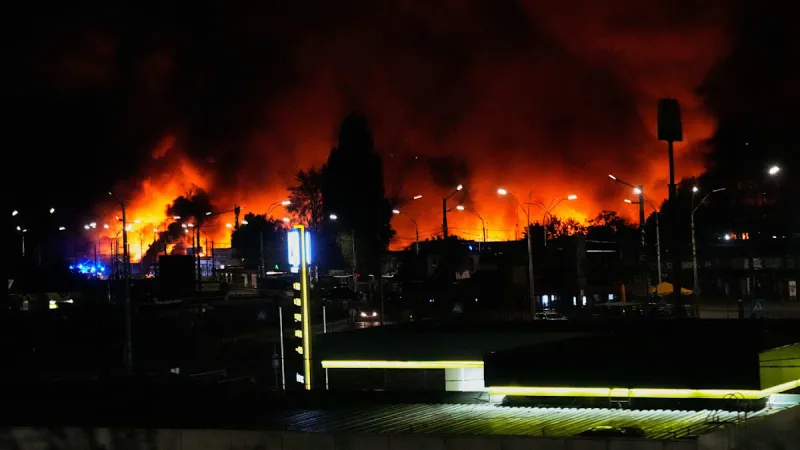
Kyiv, Ukraine, faced another devastating Russian missile barrage around 2:50 AM local time, resulting in multiple burning buildings and further deepening the profound exhaustion among its residents. WELT-Reporter Ibrahim Naber described being awakened by massive impacts, painting a vivid picture of the relentless assault on the capital.
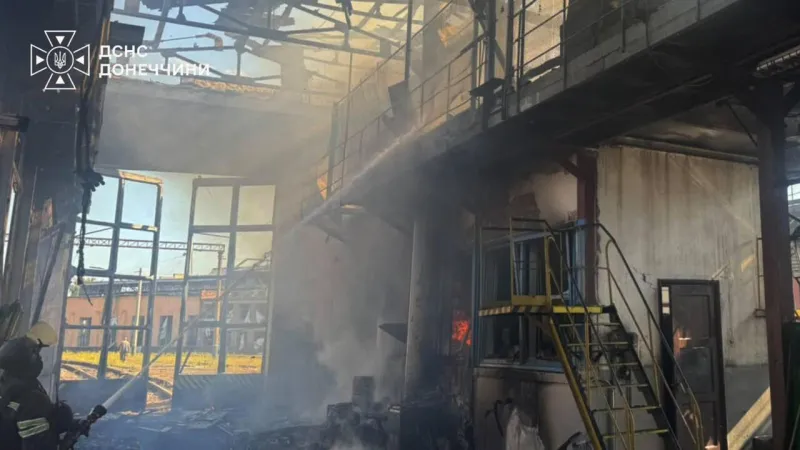
The predawn attack shattered the fragile peace of the Ukrainian capital, which has endured repeated aerial assaults since the full-scale invasion began. Emergency services swiftly responded to several locations across the city where missile fragments and direct hits sparked fires and caused structural damage.
"We were awakened around 2:50 AM by massive impacts," Naber reported from the scene, recounting the terror and abrupt disruption that has become a recurring nightmare for Kyiv's populace. His account underscores the psychological toll exacted by these frequent attacks.
Initial reports indicate that residential buildings were among those struck, with flames consuming parts of structures and sending plumes of smoke into the early morning sky. The full extent of the damage and potential casualties remains under assessment by local authorities.
These renewed strikes on Kyiv highlight Russia's continued strategy of targeting civilian infrastructure and urban centers, aiming to demoralize the population and strain emergency resources. The attacks represent a persistent challenge for Ukrainian air defenses.
The relentless nature of these assaults has led to widespread weariness. Citizens often spend hours in shelters, or in their own basements, waiting for the all-clear. This chronic state of alert contributes significantly to the population's reported exhaustion.
Previous incidents include Kyiv Targeted by Ballistic Missiles, an event that mirrored the current attack's intensity and strategic implications. Such barrages aim to disrupt daily life and exert pressure on Ukraine's leadership.
The international community continues to monitor the situation closely, with many nations condemning Russia's aggression. President Donald Trump, speaking from Washington, reiterated calls for a peaceful resolution, while emphasizing continued support for Ukraine's sovereignty.
Military analysts suggest that these missile strikes are often precursors or responses to developments on the front lines, although direct causation is not always immediately apparent. The attacks also serve to test Ukraine's sophisticated Western-supplied air defense systems.
The psychological resilience of Kyiv's inhabitants faces constant testing. The sounds of air raid sirens, followed by the terrifying thud of impacts, have become an unfortunate soundtrack to life in the capital, fostering a sense of perpetual insecurity.
This latest attack follows other significant escalations, including widespread Russian offensives and retaliatory actions. The pattern of targeting major urban areas, including Kyiv Struck by Ballistic Missiles, remains a core component of the conflict.
As dawn broke over Kyiv, residents emerged to assess the damage, clear debris, and begin the arduous process of recovery. The charred remains of buildings stand as stark reminders of the night's violence and the ongoing conflict.
The global community observes these events with growing concern, particularly as the conflict enters its later stages. The human cost of these continued hostilities, measured not just in casualties but in widespread trauma and displacement, is immense.
The resilience of the Ukrainian people, particularly in the capital, has been a defining feature of the conflict. Yet, reporters like Ibrahim Naber consistently highlight the deep-seated weariness that accompanies their determination to endure.