 Chandra Wijayanto
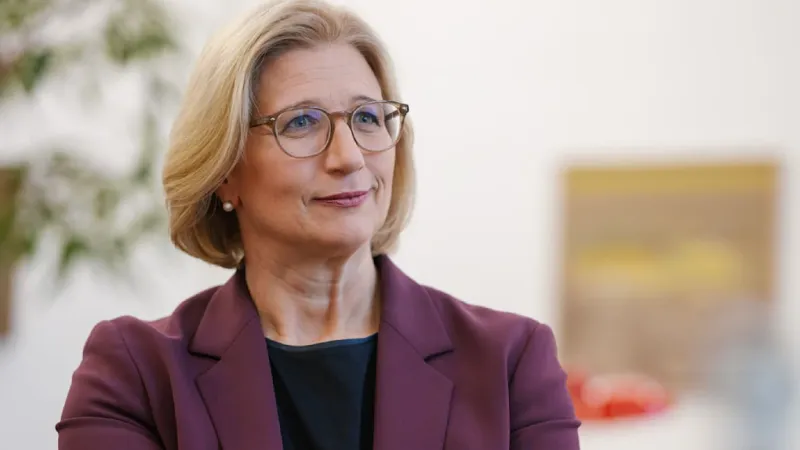
Saarbruecken, Germany – Saarland State Premier Anke Rehlinger has sharply criticized delays in implementing Germany's anticipated fuel price reduction, stating that German citizens are unjustly bearing the economic brunt of international political dynamics. Rehlinger asserted that "Germans are paying the price for [President] Donald Trump and [Vladimir] Putin," demanding immediate action to alleviate consumer burdens and calling for an excess profits tax on oil companies operating across Europe.
Her provocative remarks, delivered amid mounting public frustration over surging energy costs, directly link the financial pressures on households and businesses to the policies and geopolitical actions of two major global figures. Rehlinger emphasized the urgent need for Berlin to accelerate measures designed to stabilize fuel prices and ensure economic fairness.
The proposed "Tankrabatt," or fuel discount, aims to temporarily reduce the national fuel tax, directly lowering prices at the pump for consumers. However, its implementation has faced bureaucratic hurdles and political disagreement, prompting Rehlinger to voice her exasperation over the sluggish pace of governmental response to a critical economic issue.
Beyond the immediate fuel discount, Rehlinger advocated vigorously for a Europe-wide excess profits tax on oil and gas corporations. This measure, she argued, would address the perceived unjustifiable financial gains made by energy companies during periods of heightened market volatility and geopolitical instability, channeling these revenues back to support struggling consumers.
Conversely, the Green party in Mecklenburg-Vorpommern has expressed strong opposition to the proposed fuel discount, arguing it represents a misguided approach. Their reasoning centers on concerns that such a subsidy could contradict climate policy goals by incentivizing fossil fuel consumption rather than promoting sustainable alternatives. They also suggest it may distort market mechanisms.
High fuel prices have remained a persistent challenge across Germany and the broader European Union throughout 2026, driven by a confluence of factors including global supply chain disruptions, fluctuating crude oil prices, and the ongoing geopolitical climate. These elevated costs contribute significantly to inflation and dampen consumer spending power.
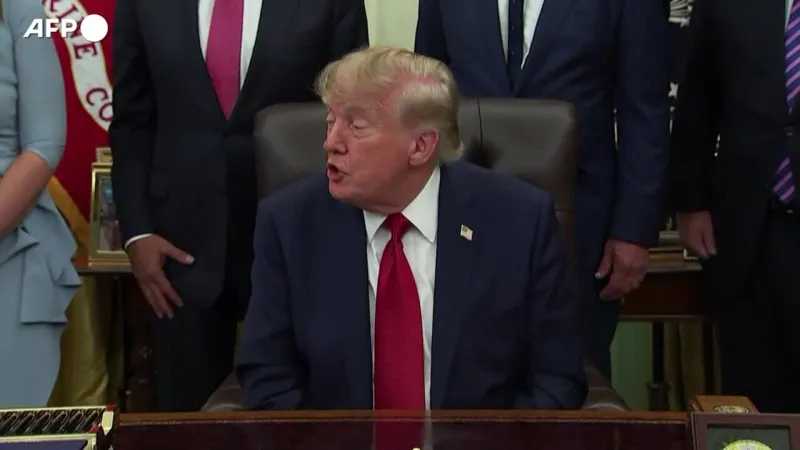
Rehlinger's direct reference to President Donald Trump underscores a recurring theme in European political discourse regarding the economic consequences of US foreign policy decisions. While not specifying particular actions, her statement likely alludes to the broader impact of US-led sanctions, trade tariffs, or shifting international alliances that can indirectly influence global energy markets and supply security. For example, recent discussions around European energy policy have also seen warnings that a German Fuel Cap Sparks Alarm: Supply Security at Risk, highlighting the delicate balance required.
The inclusion of Vladimir Putin in her critique points to the enduring economic repercussions stemming from Russia's geopolitical posture, particularly its impact on European energy supplies. Russia's strategic role as a major energy provider has frequently created vulnerabilities, with any disruption or political leverage often translating into higher costs for European nations, including Germany.
Economists and consumer advocates have echoed Rehlinger's concerns, highlighting how soaring fuel prices disproportionately affect lower-income households and businesses reliant on transportation. The delay in government intervention, they argue, only exacerbates inflationary pressures and risks hindering economic recovery.
The debate over fuel price interventions and excess profits taxes reflects a wider ideological schism within German politics and across the EU. While some advocate for direct state intervention to shield citizens from market shocks, others warn against distorting market principles and potentially burdening taxpayers in the long run.
Several European Union member states have explored or implemented similar measures to mitigate the impact of high energy costs, ranging from temporary tax cuts to direct subsidies for households. The efficacy and long-term sustainability of these varied approaches remain subjects of intense scrutiny and political debate within the bloc.
Rehlinger's assertive stance positions her as a vocal proponent for immediate consumer relief, challenging both domestic and international actors to address the fundamental causes and consequences of energy price volatility. Her call for an excess profits tax also aligns with a growing sentiment in some European capitals for greater corporate accountability during times of crisis.
The political pressure on Chancellor Olaf Scholz's coalition government is intensifying as citizens expect concrete actions to curb the cost of living. The discrepancy between various coalition partners on economic interventions, such as the fuel discount, complicates the swift passage of effective relief measures.
This situation also brings into focus the broader challenges of energy transition. While short-term relief is sought, the underlying goal of reducing dependence on fossil fuels and investing in renewable energy sources remains a paramount, albeit complex, long-term objective for Germany and the European Union.
As the discussions continue in Berlin and Brussels, the economic well-being of millions of German citizens hangs in the balance. The outcome of these policy debates on fuel prices and corporate taxation will significantly shape public trust and political landscapes in the coming months.