 Angel Doris
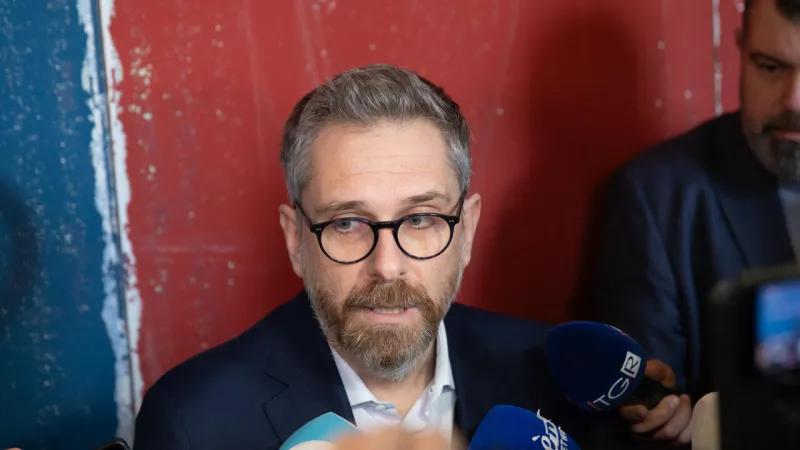
Bologna, Italy – Mayor Matteo Lepore has been officially assigned a state security detail, or scorta, following a series of credible threats communicated through social media platforms. The decision, aimed at safeguarding the city's top official, comes into effect within the next few days, marking a significant escalation in concerns for his personal safety and public order.
The threats, whose exact nature remains under investigation by local law enforcement agencies, reportedly emerged from various online channels, targeting Mayor Lepore directly. This development underscores a growing trend of political figures facing harassment and intimidation in the digital sphere, challenging traditional security protocols.
A scorta in Italy refers to a dedicated team of police or Carabinieri officers assigned to protect high-profile individuals, often politicians, magistrates, or journalists, deemed at risk. Its assignment signals a serious assessment by security services that the threats against Mayor Lepore are not merely rhetorical but possess a tangible potential for harm.
The Prefect of Bologna, in consultation with national security bodies, authorized the protective measures after a thorough evaluation of the perceived risk. While specifics about the threats are not publicly disclosed to avoid compromising ongoing investigations, authorities emphasized the necessity of proactive intervention to ensure the mayor's continued ability to govern without undue fear.
This incident reflects a broader climate of heightened political tension and societal polarization across Italy. Public discourse, frequently amplified and distorted by online echo chambers, sometimes spills over into direct personal attacks against elected officials. Such circumstances demand robust responses from both law enforcement and the broader community.
Mayor Lepore's office has not yet issued a formal statement regarding the security detail, but sources close to the administration indicate a commitment to maintaining transparency while prioritizing safety. The mayor is expected to continue his public duties, albeit under enhanced surveillance and protection, a visible reminder of the challenges confronting modern public service.
The reliance on social media as a primary vector for these threats highlights the double-edged sword of digital communication. While offering unprecedented connectivity and platforms for citizen engagement, it also provides anonymity for those seeking to spread hate, misinformation, and direct threats. This paradox forces a reevaluation of how democratic institutions protect their representatives.
Incidents involving threats against public officials are not isolated in Italy. The nation has a long history of protecting its representatives, particularly those confronting organized crime or extremist elements. More recently, however, a new wave of online aggression has emerged, targeting figures across the political spectrum based on policy decisions or personal attacks.
Concerns about the integrity of public discourse and the rise of propaganda have been articulated globally, with experts noting how digital platforms can be weaponized. The critical need to discern fact from fabrication in the digital age is paramount, as discussed in broader analyses such as Truth Under Siege: the Unseen Hand of Modern Propaganda.
The activation of Mayor Lepore's security detail serves as a stark reminder of the escalating risks faced by those in public office. It underscores the continuous effort required by authorities to adapt to evolving security landscapes, particularly as threats migrate from physical spaces to the pervasive digital realm.
Law enforcement officials are reportedly tracing the origins of the most severe threats, aiming to identify the individuals responsible. Punitive measures for online intimidation and threats against public figures are stringent under Italian law, reflecting the state's commitment to protecting its democratic processes and the individuals who uphold them.
This development will undoubtedly prompt further discussions within both municipal and national political circles regarding the adequacy of current safeguards for public figures and the broader societal implications of unchecked online aggression. Protecting civic leaders ensures the continuity of governance and the preservation of democratic principles against intimidation.