 Dorry Archiles
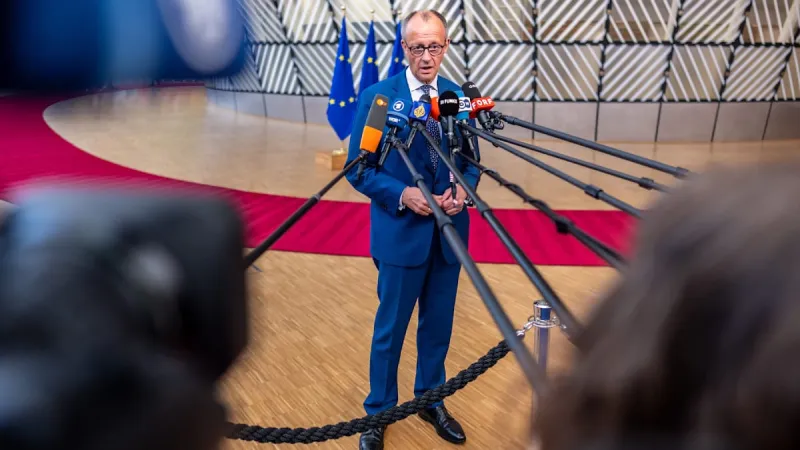
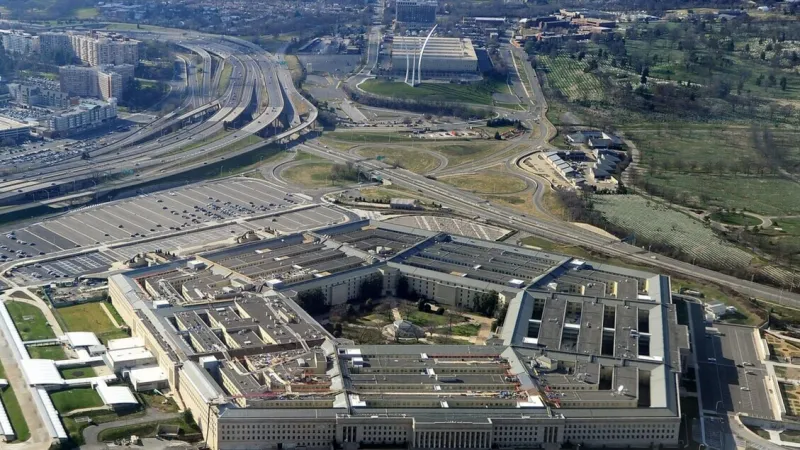
The European Union is currently grappling with a pivotal moment for its security paradigm, as leaders convene in Brussels for a critical summit centered on advancing Europe's defense capabilities. This urgent discussion unfolds against the backdrop of President Donald Trump's administration reportedly considering a substantial withdrawal of United States troops from the continent, compelling member states to confront the imperative of enhanced strategic autonomy.
The potential repositioning of American forces, a recurring theme in transatlantic discussions, underscores a strategic shift that could fundamentally reshape the security architecture established over decades. Such a move would necessitate a more robust and unified European approach to collective defense, moving beyond reliance on Washington.
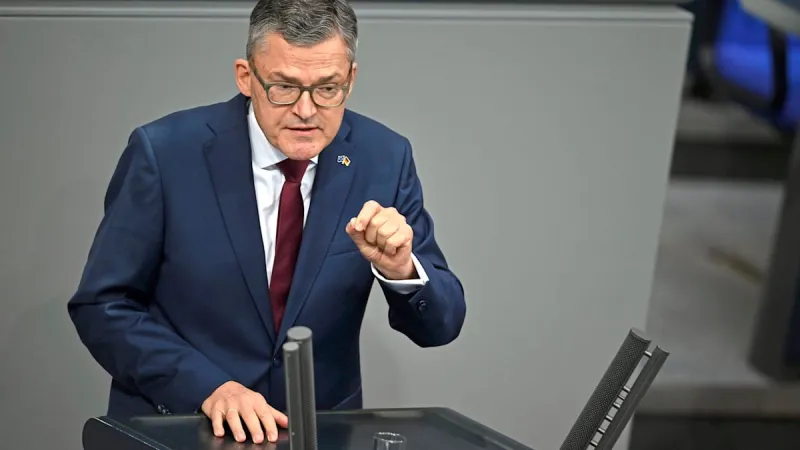
Experts observing these dynamics highlight the inherent complexities. Gerlinde Groitl, an expert in transatlantic relations, articulated this challenge, stating, "One must succeed in organizing oneself to be politically capable of action." Her comment underscores the intricate balance between national interests and continental solidarity.
Groitl further elaborated on the psychological and economic hurdles. "There is always a certain nationalism when one spends one's own tax money," she observed, pinpointing a core impediment to fully integrated European defense initiatives. This sentiment often translates into preferences for national industries and strategic priorities over shared European endeavors.
For years, the aspiration for a truly independent European defense has been a cornerstone of strategic discourse within the bloc. However, practical implementation has often faltered due to divergent national defense doctrines, varying threat perceptions, and considerable budgetary constraints among the 27 member states.
The current geopolitical climate, exacerbated by the ongoing conflict in Ukraine, injects new urgency into these deliberations. The conflict has starkly illuminated Europe's vulnerabilities and the persistent need for rapid, coordinated defensive capabilities independent of external support.
Discussions at the Brussels summit are expected to focus on concrete steps, including increased defense spending commitments, harmonization of military equipment and procurement processes, and the strengthening of joint operational capacities. These measures aim to foster a more cohesive and self-reliant European security framework.
While the concept of a common European defense has garnered increasing political traction, the financial commitment remains a significant hurdle. Member states face pressure to allocate larger portions of their national budgets to defense, a prospect often met with public and political resistance due to competing domestic priorities.
The challenge is not merely one of resources but also of strategic alignment. Crafting a unified foreign and security policy that satisfies the diverse interests of all EU members requires extensive diplomatic efforts and a willingness to cede some national sovereignty in critical defense matters.
The prospect of US troop withdrawals further complicates Europe's relationship with NATO. While the EU seeks greater autonomy, NATO remains the primary collective defense organization for many European nations, and any significant changes must carefully navigate this established alliance structure.
The outcome of the Brussels summit, and the subsequent actions taken by European capitals, will profoundly influence the future of transatlantic security and Europe's standing on the global stage. The discussions represent a critical juncture for the continent to define its strategic destiny.
The imperative to enhance Europe's defense capabilities extends beyond conventional military strength. It encompasses resilience against cyber threats, disinformation campaigns, and hybrid warfare tactics, areas where a unified European response is increasingly vital.
This strategic recalibration offers both risks and opportunities. While the immediate challenge involves bridging national divides and securing adequate funding, success could lead to a more influential and geopolitically robust European Union, capable of projecting stability in its neighborhood and beyond.
Leaders are also weighing mechanisms to ensure equitable burden-sharing, understanding that a strong collective defense relies on each nation contributing proportionally to the shared security effort, thereby mitigating the nationalism of individual spending.
The deliberations in Brussels are not just about military hardware; they are about political will and a shared vision for a sovereign, secure Europe. The decisions made here will resonate for decades, shaping the continent's ability to protect its interests and uphold its values.