 Robert Andrison
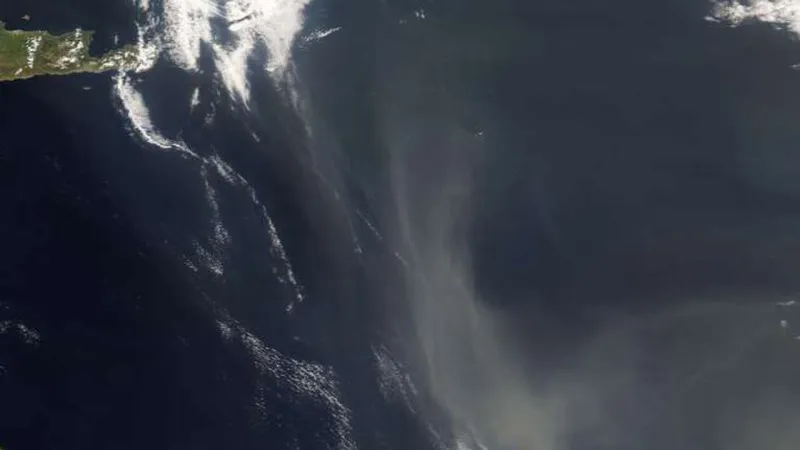
Europe is currently experiencing a marked increase in Saharan dust concentrations, with experts noting a significant rise across the continent. Notably, Italy registers levels double those found in other European nations, prompting concerns among environmental agencies and public health officials regarding potential impacts on air quality and human well-being. This widespread atmospheric phenomenon originates from powerful winds sweeping across the Sahara Desert, transporting fine particulate matter thousands of miles northward.
The current surge in airborne particulates stems from persistent meteorological patterns over North Africa. Strong low-pressure systems and anticyclones collaborate to lift vast quantities of sand and dust into the upper atmosphere. These plumes then travel across the Mediterranean Sea, carried by southerly winds, eventually settling over European landmasses.
Italy's geographical position makes it particularly susceptible to these transcontinental dust events. The peninsula acts as a natural funnel, channeling dust clouds originating from the Sahara. This topographical influence, combined with prevailing wind currents, explains the disproportionately high concentrations observed within Italian borders compared to its northern neighbors.
The environmental consequences of Saharan dust are multifaceted. While dust plumes can contribute mineral nutrients to soils and oceans, providing essential elements for phytoplankton, excessive concentrations significantly degrade air quality. The fine particulate matter, known as PM10 and PM2.5, can penetrate deep into the respiratory system.
Public health experts warn that prolonged exposure to elevated dust levels can exacerbate respiratory conditions such as asthma, bronchitis, and allergies. Individuals with pre-existing cardiovascular issues also face heightened risks. Authorities frequently issue advisories, recommending that vulnerable populations limit outdoor activities during periods of intense dust intrusion.
While Saharan dust intrusions are a natural and recurring phenomenon, recent data suggests an observed increase in their frequency and intensity over parts of Europe. Climatologists attribute this potential trend to a combination of factors, including shifts in atmospheric circulation patterns and changes in desertification processes in North Africa.
Meteorological services and environmental monitoring agencies across Europe meticulously track these dust plumes using satellite imagery, ground-based sensors, and atmospheric models. These advanced tools provide crucial data for forecasting dust events and issuing timely warnings to the public. The Italian Environmental Protection Agency (ISPRA) specifically highlighted the sustained elevation of particulate matter.
Beyond Italy, other Mediterranean countries like Greece, Spain, and Malta frequently experience significant Saharan dust deposition. However, the current event underscores Italy's unique vulnerability, with its cities and agricultural regions experiencing a particularly dense atmospheric veil.
Beyond health concerns, dust events can affect various sectors. Reduced visibility poses challenges for aviation and road transport. The deposition of dust on solar panels can decrease energy output, and agriculture may face issues with dust settling on crops. While these impacts are generally temporary, cumulative effects could be more substantial.
Similar to the recent atmospheric challenges faced when Canadian wildfire smoke engulfed New York and Toronto, these Saharan dust events highlight the global interconnectedness of atmospheric phenomena and their widespread implications for urban centers and natural ecosystems. Both scenarios underscore the critical importance of robust air quality monitoring and public alert systems.
As global climate patterns continue to evolve, scientists emphasize the need for continued research into the long-term trends of Saharan dust transport. While direct mitigation of these natural events remains challenging, improved forecasting and public awareness campaigns are essential strategies for managing their health and environmental consequences.
The current situation serves as a stark reminder of the dynamic interplay between natural environmental processes and human populations. Vigilance and proactive measures by authorities are paramount to safeguard public health and minimize the broader societal impacts of such large-scale atmospheric phenomena.