 Demian Sahputra
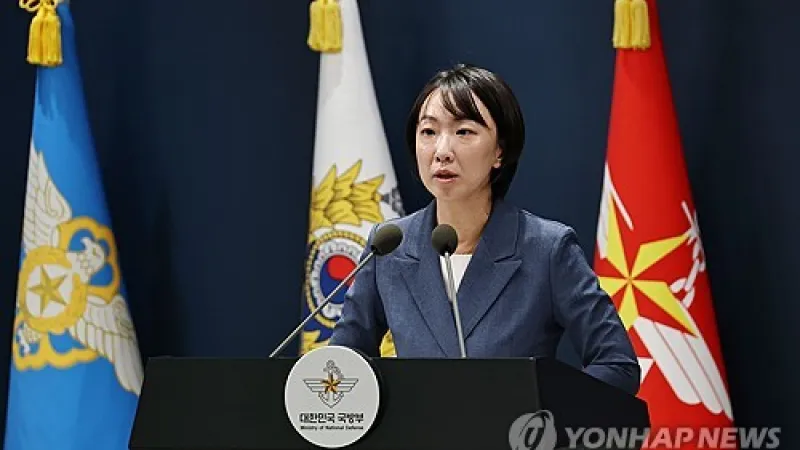
SEOUL - South Korea's defense ministry announced Thursday, November 12, 2026, it is defending a proposed revision to its military academy plan, stating the adjustments are a strategic effort to enhance public acceptance and engagement with the nations vital defense institutions.
The announcement came amidst ongoing discussions regarding military reforms and the evolving expectations of the younger generation concerning military service and careers within the armed forces.
Ministry officials indicated that the revisions aim to modernize curricula, foster a more inclusive environment, and better align military education with contemporary societal values. This approach seeks to bridge any perceived gap between the armed forces and the civilian populace.
Enhancing public acceptance is critical for maintaining robust conscription rates and attracting top talent to officer training programs, particularly in a nation facing persistent security challenges.
While specific details of the revisions were not fully disclosed, sources within the defense community suggest changes may include greater emphasis on civilian-military integration, academic diversification, and improved welfare programs for cadets.
The defense establishment has previously undertaken initiatives to improve its image and foster closer ties with the public, often responding to demographic shifts and societal critiques regarding military culture and readiness.
A more favorable public perception is expected to positively influence recruitment numbers for the esteemed military academies, ensuring a steady supply of qualified future leaders for the armed forces.
These adjustments also carry strategic implications, reinforcing the idea of a military that is deeply integrated into, and supported by, the broader South Korean society, a vital aspect of national resilience.
The move falls within a larger framework of defense reforms initiated by the government to ensure the military remains agile, effective, and ethically sound in the face of regional complexities.
Nevertheless, implementing such broad changes can face challenges, including internal resistance to reform or skepticism from certain segments of the public who may question the necessity or extent of the modifications.
A ministry spokesperson, who requested anonymity due to the ongoing nature of internal consultations, stated, "Our goal is to ensure our military academies are seen not just as training grounds for defense, but as institutions of national pride that reflect the best of our society."
This initiative parallels other recent efforts by Seoul to refine its defense posture and command structures, such as the redefinition of command limits for the Cheonghae Anti-Piracy Unit, demonstrating a comprehensive approach to military modernization.
The ministry plans further public engagement campaigns to elaborate on the revised plans and gather feedback from various stakeholders, including prospective cadets, parents, and academic experts.
This long-term vision aims to cultivate a generation of military leaders who are not only tactically proficient but also deeply connected to the values and aspirations of the South Korean people.
In a geopolitical landscape marked by fluidity, particularly concerning relations with its northern neighbor, maintaining strong public confidence in military institutions is paramount for national security and stability.
The government views widespread public support as an indispensable pillar of its defense strategy, alongside advanced technology and strategic alliances with key partners.
The changes to the military academy plan are ultimately designed to ensure that future generations of officers are equipped to navigate complex global challenges while remaining rooted in the country's democratic principles.
The revisions are expected to spark further public discourse on the future direction of South Korea's armed forces and the role of its elite military training establishments in national development.