Dodi Irawan
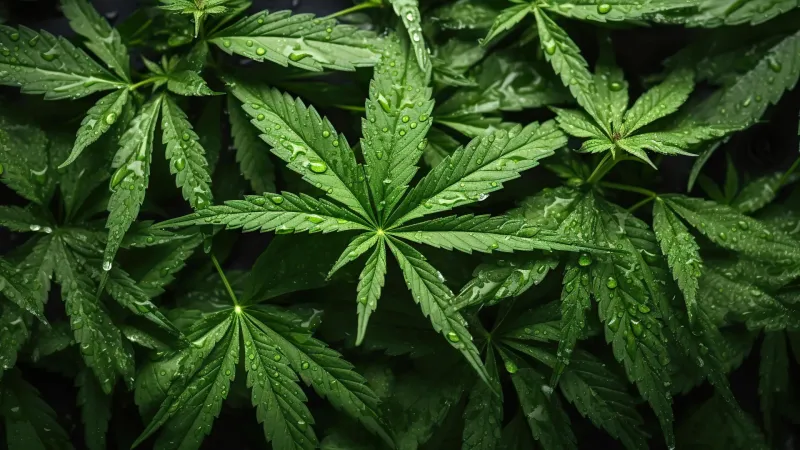
Siberia, Russia – Archaeologists excavating an ancient tomb in Siberia have unearthed the oldest directly dated evidence of psychoactive cannabis use, a discovery profoundly reshaping understanding of ancient Scythian culture and their ceremonial practices. The remarkable find, estimated at 2,800 years old, includes approximately 1,000 cannabis seeds and clear chemical indicators that the nomadic warriors intentionally consumed the plant for its intoxicating effects, not merely for industrial purposes.
This groundbreaking revelation pushes back the definitive timeline for deliberate psychoactive cannabis use by centuries. Previous archaeological findings often suggested cannabis presence, but definitive proof of its consumption for altering states of consciousness remained elusive or subject to broader interpretation regarding its utility for fiber or food.
The research, conducted by an international team, meticulously analyzed the organic residues and plant remains discovered within the burial mound. The sheer quantity of cannabis seeds, coupled with specific chemical markers found on burial artifacts, pointed unequivocally to its ritualistic application.
Nestled in a richly appointed Scythian kurgan, or burial mound, the tomb showcased elaborate funerary practices typical of the formidable nomadic peoples who dominated the Eurasian steppes. Evidence of animal sacrifices, precious artifacts, and weaponry surrounded the central burial, underscoring the high status of the interred individuals.
The Scythians, renowned for their equestrian skills and fearsome warrior culture, traversed vast territories from the 9th to the 3rd centuries BCE. This discovery offers a rare glimpse into their spiritual and social customs, suggesting cannabis use played a significant role in their worldview and death rituals.
Scientists employed advanced analytical techniques, including gas chromatography-mass spectrometry, to identify the unique chemical signatures of tetrahydrocannabinol, or THC, the primary psychoactive compound in cannabis. The presence of these compounds on charred remains and in specially designed containers strongly supports ritualistic inhalation or ingestion.
Prior theories often posited that early cannabis use primarily centered on its applications for textiles, such as hemp fibers, or for its nutritional value as seeds. While these uses were undoubtedly prevalent, the Siberian tomb now provides compelling direct evidence for a much earlier and intentional use of cannabis for its mind-altering properties.
The findings challenge conventional narratives regarding the development of psychoactive substance use in antiquity. It suggests that such practices were more deeply ingrained and widespread among ancient cultures than previously recognized, serving purposes ranging from religious ceremonies to communal gatherings.
Further excavations and analyses at other Scythian sites could potentially reveal even more widespread ancient cannabis use, shedding light on its cultivation, trade routes, and societal integration across the vast Eurasian steppe. The Scythians were crucial intermediaries in ancient trade networks, making the spread of such practices an intriguing area for future study.
This discovery marks a pivotal moment in archaeobotanical research, firmly establishing the 2,800-year-old Siberian find as the earliest directly dated archaeological evidence of psychoactive cannabis use. It invites a re-evaluation of how ancient societies perceived and integrated powerful plants into their daily lives and spiritual endeavors, forever altering our understanding of early human interaction with cannabis.