 Dodi Irawan
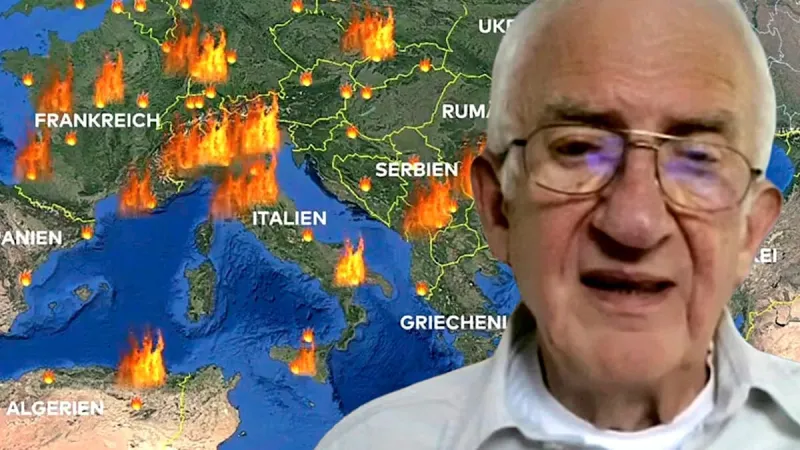
Expert Johann Georg Goldammer recently issued a stark warning regarding an escalating and nearly widespread wildfire risk across regions experiencing persistent heat and drought, emphasizing how such conditions, coupled with unutilized land, now increasingly endanger even thinly vegetated settlement edges.
Goldammer, a renowned expert in fire ecology and head of the Global Fire Monitoring Center (GFMC), highlighted the confluence of extreme temperatures, prolonged lack of precipitation, and neglected landscapes as critical factors amplifying the current crisis.
Historically, intense wildfires were often confined to vast, dense forests. However, recent trends demonstrate a concerning expansion of these blazes into areas previously considered lower risk, including the peripheries of residential zones.
The expert explained that even minimal vegetation along urban-wildland interfaces provides sufficient fuel when desiccated by intense heatwaves. These interfaces, often composed of garden waste, ornamental shrubs, and unmanaged brush, create a direct conduit for fire spread.
Unutilized or abandoned areas, such as fallow fields, overgrown lots, and neglected roadside verges, also contribute significantly to the heightened flammability. These zones act as kindling, igniting rapidly and potentially spreading fires to adjacent built environments.
The warning comes as several regions globally contend with record-breaking temperatures and chronic water shortages, making landscapes exceptionally vulnerable to ignition. Climate models consistently predict an increase in both the frequency and intensity of such extreme weather events.
Goldammer stressed that communities must proactively implement fire prevention strategies beyond traditional forestry management. This includes creating defensible spaces around homes, maintaining vegetation, and educating residents on fire-safe practices.
The interconnectedness of climate, land use, and urban development has created a complex challenge. Mitigating wildfire danger now requires a holistic approach, integrating ecological understanding with urban planning and public awareness campaigns.
Efforts to manage these risks are ongoing, with some regions implementing stricter regulations on vegetation clearance and controlled burns. However, the scale of the threat demands more comprehensive and urgent action.
The scientific consensus supports Goldammer's assessment, linking rising global temperatures directly to extended fire seasons and increased areas burned. The long-term implications for biodiversity, air quality, and human health are substantial.
This urgent call to action echoes similar concerns raised by environmental agencies worldwide, which underscore the need for international cooperation in addressing the transboundary nature of climate-induced disasters.
While some areas like Cologne have recently seen their immediate wildfire risk dismissed by experts, the broader regional and global picture remains one of elevated danger. For instance, authorities in Germany previously reassured residents about a specific Rhine riverbed wildfire risk, stating it was under control. Read more about that assessment here: Cologne Breathes Easy: Rhine Riverbed Wildfire Risk Dismissed by Experts. Goldammer's warning, however, points to a much more pervasive and systemic problem.
Addressing the root causes, particularly climate change, remains paramount. Simultaneously, local communities must adapt to the new normal of increased wildfire threats by improving readiness and resilience.
Goldammer emphasized the need for a paradigm shift in how societies perceive and manage landscapes, moving towards a culture of fire adaptability rather than solely fire suppression.