 Demian Sahputra
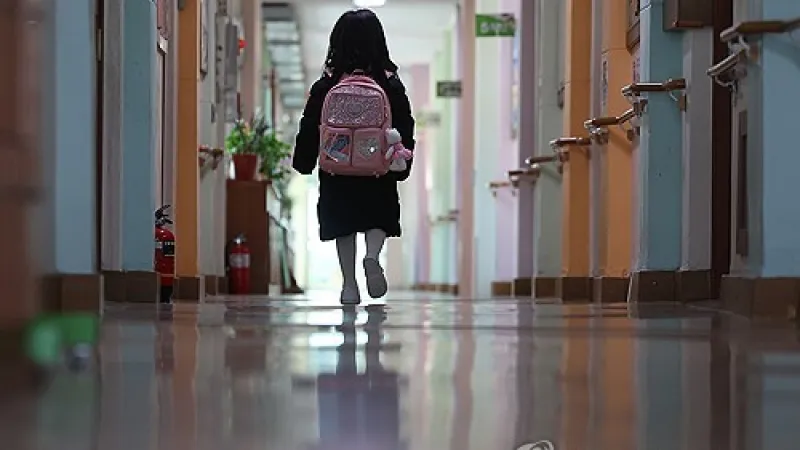
SEOUL – South Korea confronts an unprecedented demographic challenge as the number of new elementary school students is projected to fall below 300,000 for the first time, a stark indicator of the nations severe and prolonged low birth rate crisis. This alarming decline, anticipated for the upcoming academic year, underscores profound long-term implications for the countrys social fabric and economic stability.
The Ministry of Education confirmed these projections on November 8, revealing a stark contrast to previous generations when elementary schools bustled with significantly larger cohorts. For decades, the enrollment figure consistently stayed above the 300,000 mark, peaking in the post-Korean War baby boom era. This new threshold represents a critical demographic turning point, highlighting the acceleration of population decline.
This dramatic reduction in elementary school enrollment is a direct consequence of South Koreas persistently low fertility rate, which remains among the lowest globally. Experts attribute this trend to a confluence of factors, including the high cost of raising children, competitive educational pressures, changing societal values regarding marriage and family, and an increasingly challenging economic environment.
The immediate ramifications are already palpable within the education sector. School districts, particularly those in rural and economically depressed regions, face imminent closures and mergers. Such actions lead to significant disruptions for communities, often forcing families to relocate or endure longer commutes to distant schools, further exacerbating regional imbalances.
Beyond school infrastructure, the declining student population poses a severe threat to the teaching profession. Reduced student numbers inevitably translate into fewer teaching positions, potentially leading to widespread teacher layoffs and a diminished appeal for aspiring educators. This could compromise the quality of education in the long run, as the pool of talented individuals entering the profession shrinks.
The ripple effects extend far beyond elementary schools. A dwindling youth population signals future workforce shortages across all industries, from manufacturing to high-tech sectors. This demographic shift could severely impede economic growth, innovation, and global competitiveness, challenging South Koreas status as an economic powerhouse.
Furthermore, the nations military, which relies on conscription to maintain its defensive capabilities, faces significant recruitment hurdles. A smaller pool of young men means increasing pressure on a shrinking cohort, potentially necessitating policy adjustments to meet defense requirements in an increasingly complex geopolitical landscape.
The government has implemented various policies aimed at boosting the birth rate, including expanded childcare subsidies, extended parental leave, and housing support for young families. However, these measures have largely failed to reverse the downward trend, indicating that the root causes of the low birth rate are deeply entrenched and complex, requiring more comprehensive societal shifts.
Demographic experts suggest that a fundamental reevaluation of social support systems, coupled with efforts to alleviate economic burdens and promote work-life balance, is crucial. Without a concerted and sustained effort, the nation risks entering a demographic death spiral where declining birth rates reinforce aging populations and strain public services.
The economic implications are profound, touching upon consumer markets, pension systems, and healthcare. A smaller working-age population will struggle to support a rapidly aging society, jeopardizing the financial stability of national pension funds and increasing demand for elderly care services with fewer younger taxpayers to fund them.
Moreover, the psychological and cultural impact on a society grappling with its future viability cannot be overstated. A sense of national existential crisis emerges as birthrates continue to fall, challenging traditional family structures and community norms that have long defined South Korean society.
This critical juncture demands more than incremental policy adjustments. It necessitates a national dialogue and collective societal commitment to fostering an environment where young Koreans feel secure and supported enough to choose to have children, ensuring the nations prosperity and cultural continuity for generations to come.
As the current year is 2026, the enrollment decline presents an immediate and pressing challenge for the incumbent administration to address. The success or failure of their strategies to mitigate this demographic crisis will undoubtedly define a significant part of their legacy and the nations future trajectory.
This long-term demographic trend also means a significant shift in resource allocation across the entire education system. With fewer students progressing through middle and high school, and eventually universities, institutions must adapt to smaller cohorts, potentially leading to consolidation and re-prioritization of educational offerings.
Ultimately, the drop in elementary school enrollment serves as a powerful symbol and a stark warning. It is a tangible manifestation of a profound societal challenge that South Korea must confront with urgency and innovative, long-term solutions, moving beyond short-term fixes to address the core issues driving its demographic decline.