 Stefani Rindus
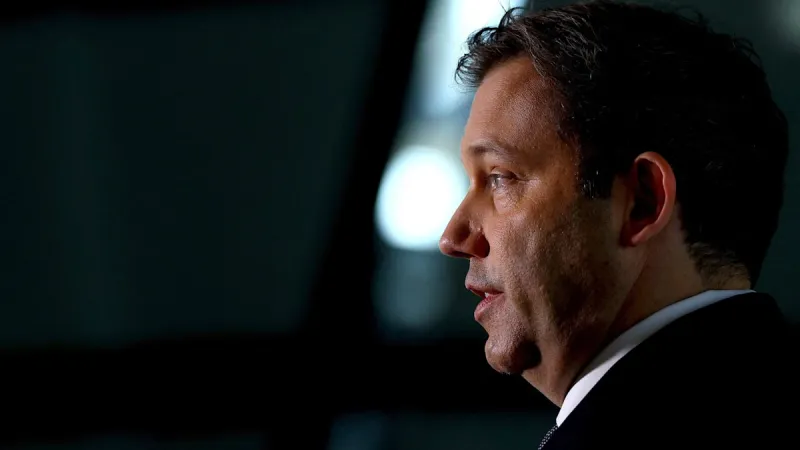
BERLIN - Several influential working groups within Germany's Social Democratic Party (SPD), including its potent youth wing, the Jusos, are reportedly preparing motions to challenge Lars Klingbeil's re-election bid for party co-chair ahead of the crucial January party conference. This significant internal maneuver, brought to light through recent media reports, signals mounting dissent aimed at preventing his continued leadership of the storied political party.
The anti-Klingbeil initiative stems from at least two distinct motions drafted by these diverse party factions. These proposals are designed to be presented and voted upon during the upcoming SPD party congress, setting the stage for a potentially divisive internal debate over the party's future direction and its leadership composition.
Klingbeil, currently serving as one of the SPD's two co-chairs alongside Saskia Esken, assumed the top leadership role in December 2021. His tenure has coincided with the SPD leading Germany's traffic light coalition government, a period marked by significant domestic and international challenges, ranging from economic shifts to geopolitical instability.
While the specific grievances driving these motions remain largely under wraps, observers suggest the opposition likely stems from a confluence of factors. These could include disagreements over the party's strategic positioning within the ruling coalition, its policy achievements, or internal dissatisfaction with leadership communication and decision-making processes.
This SPD leadership challenge underscores the persistent tensions that can exist within Germany's established political parties, even while holding the reins of national government. The outcome of these motions could have far-reaching implications not only for Klingbeil's political future but also for the stability and cohesion of the SPD itself.
The move to impede Klingbeil's re-candidacy highlights a generational and ideological struggle playing out within the party. The Jusos, known for their more left-leaning and often critical stance on party policy, frequently represent a powerful internal voice capable of mobilizing significant delegate support at party conferences.
The unfolding situation presents a direct test of Klingbeil's influence and his ability to rally support from various segments of the SPD. His political allies are expected to defend his position vigorously, advocating for stability and continuity in party leadership during a turbulent political era. Indeed, reports indicate that figures like Schneider Throws Weight Behind Klingbeil Amid SPD Leadership Challenge, are already voicing support for Klingbeil.
The January party conference thus transforms into a critical arena where these internal power dynamics will clash. Beyond the formal votes on motions, the event will serve as a barometer for the broader sentiment within the SPD membership regarding its current trajectory and the effectiveness of its executive leadership.
Should the motions gain traction, Klingbeil could face immense pressure to reconsider his re-candidacy, or at least dedicate substantial effort to consolidating his support base. Conversely, a strong rejection of these motions would reaffirm his mandate and potentially strengthen his position within the party apparatus.
The SPD, as the senior partner in the coalition government, plays a pivotal role in German domestic and foreign policy. Any protracted internal strife or significant leadership upheaval could distract from governance responsibilities and potentially destabilize the delicate balance of the current coalition.
Political analysts will be closely monitoring the pre-conference discussions and the rhetoric emanating from the different SPD factions. The coming weeks will likely see intensified internal lobbying and public statements from both sides as they vie for influence ahead of the decisive January gathering.
Ultimately, the resolution of this internal SPD leadership challenge will offer valuable insights into the health and future direction of one of Germany's most enduring political institutions. Its ability to navigate such internal dissent will be crucial for maintaining its standing on the national stage.