 Dodi Irawan
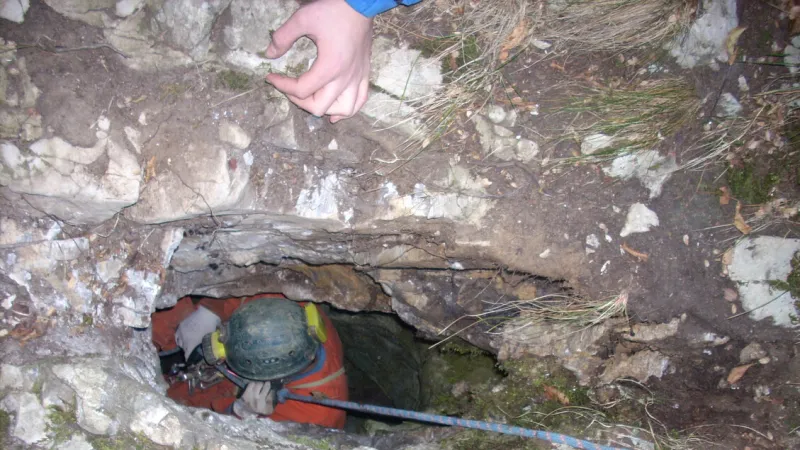
A determined team of 42 technicians and operators from Italy's Alpine Rescue service successfully extracted a speleologist who had been trapped for 12 harrowing hours deep within a cave in the mountainous Cuneo province, yesterday. The extensive operation culminated in the safe retrieval of the individual, highlighting the critical role of specialized emergency responders in challenging subterranean environments.
The incident, which commenced on Tuesday, prompted an immediate and robust response as news of the entrapment reached authorities. Caves, by their very nature, present formidable challenges, with their labyrinthine passages, dark conditions, and unstable geological formations making rescue operations inherently complex and dangerous.
The Cuneo province, known for its rugged Alpine terrain and extensive cave systems, frequently calls upon the expertise of the Soccorso Alpino, or Alpine Rescue, an organization renowned for its proficiency in high-altitude and subterranean emergencies. The deployment of such a large contingent of skilled personnel underscored the severity of the situation and the technical demands of the extraction.
Rescuers navigated through narrow fissures and slippery surfaces, employing specialized caving techniques and equipment to reach the trapped individual. Communication underground remained a constant hurdle, requiring meticulous planning and coordination among the various teams working simultaneously within the cave's confines. The prolonged duration of the entrapment raised concerns about hypothermia and dehydration, adding urgency to the rescue efforts.
Teams worked tirelessly for over half a day, battling fatigue and the inherent claustrophobia of the environment. Each hour brought new logistical puzzles, from securing unstable rockfalls to establishing safe pathways for the eventual transport of the speleologist. The methodical progress demonstrated the rigorous training and unwavering dedication of the rescue personnel.
The Alpine Rescue service comprises volunteers and professionals who undergo intensive training in mountain climbing, caving, wilderness medicine, and technical rescue. Their readiness to deploy at a moment's notice, often into treacherous conditions, is a testament to their commitment to public safety across Italy's diverse landscapes.
Speleology, or caving, is an adventurous pursuit that attracts enthusiasts drawn to exploring the natural wonders hidden beneath the Earths surface. While offering unparalleled opportunities for scientific discovery and recreation, it carries significant risks, including rockfalls, flooding, getting lost, and physical injury in remote locations.
This successful rescue serves as a potent reminder of the precarious balance between human exploration and the raw power of nature. It also reaffirms the indispensable value of highly specialized emergency services capable of operating in some of the most inaccessible environments on the planet.
Upon being brought to the surface, the speleologist received immediate medical assessment. While details regarding their specific condition remain private, the primary concern was their overall stability after enduring the physical and psychological toll of a prolonged underground ordeal.
The successful outcome in Cuneo provides a moment of relief and gratitude for the tireless efforts of all involved. It reinforces the importance of stringent safety protocols for adventurers and the readiness of Italy's emergency services to respond to critical incidents, ensuring that even in the deepest darkness, hope for rescue persists.