 Angel Doris
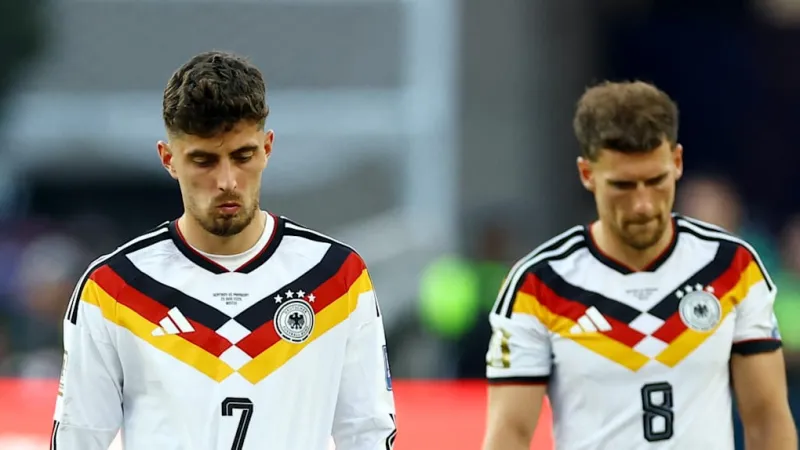
BERLIN — A confidential report by the esteemed German news magazine Der Spiegel has revealed significant internal problems within the German national football team during its recent FIFA World Cup campaign, with allegations of deep discord implicating key figures such as Julian Nagelsmann, Joshua Kimmich, and Leon Goretzka.
The detailed investigation, drawing on accounts from unnamed insiders, suggests that a fractured dressing room and disagreements over tactics and leadership contributed significantly to the German national football team's underwhelming performance and early exit from the prestigious tournament. These revelations cast a long shadow over the team's preparations and dynamics.
Sources cited in the Spiegel report describe a palpable lack of cohesion, particularly among established players, and a disconnect between the coaching staff and certain prominent members of the squad. This environment reportedly hampered effective communication and undermined strategic implementation on the field.
The internal disquiet allegedly centered on several critical junctures, particularly concerning the roles and influence of midfielder Joshua Kimmich and defensive stalwart Leon Goretzka. Their perceived leadership styles and on-field decisions reportedly became points of contention within the squad.
While Julian Nagelsmann was at the helm, the report indicates that his tactical approaches faced resistance or misunderstanding from various players. This tension, the insiders claim, prevented the team from performing as a unified unit capable of executing complex game plans under pressure.
Germany, a perennial powerhouse in international football, has struggled to replicate its past glories in recent major tournaments. The World Cup performance in question marked another disappointing chapter, leading to widespread public and media scrutiny regarding the state of German football.
The findings in Der Spiegel align with broader sentiments among pundits and fans who had speculated about deeper issues beyond mere on-field errors. The lack of collective spirit and tactical fluidity was often highlighted as a critical factor in their undoing.
This is not the first time the German national football team has faced intense examination. Discussions surrounding the national squad's identity and performance have been ongoing, with many reflecting on past successes and the challenges of adapting to modern football dynamics. For example, expert commentary, such as when Bastian Schweinsteiger made a bold prediction about a significant scoreline, often underscores the high expectations placed upon the team.
The German Football Association, or DFB, has yet to issue an official statement addressing the specific allegations made in the Spiegel report. However, general calls for introspection and structural changes within the national setup have been prevalent since the tournament's conclusion.
The internal strife exposed by the report underscores the immense pressure on coaches and players alike in high-stakes international competitions. It serves as a stark reminder that team chemistry and mental fortitude are as crucial as individual talent.
Moving forward, the German national football team faces a considerable challenge to rebuild trust and foster a truly cohesive environment ahead of upcoming European and World Cup qualifiers. The path to redemption requires not just new strategies but a unified purpose among all involved.
Indeed, the quest for a new era of German football dominance often involves confronting past struggles head-on, much like a German coach might confront historical ghosts of tournaments past when leading another nation. For Germany, overcoming these internal divisions will be paramount to reclaiming its stature on the global stage.
This ongoing narrative of internal challenges highlights a critical juncture for German football, demanding decisive action and a renewed commitment to team unity and performance excellence.