 Chris Robert
BATON ROUGE — The United States Supreme Court today suspended Louisiana congressional primaries, a dramatic move that halts the 2026 election cycle and mandates the state redraw its electoral map. The unanimous decision, delivered this morning, found Louisiana's current congressional districts violate the Voting Rights Act by diluting minority voting strength, immediately thrusting the state into a complex redistricting battle.
This ruling stems from a long-standing legal challenge asserting that Louisiana's congressional map, specifically drawn after the 2020 census, contained only one majority-Black district despite the state's significant African American population. Civil rights advocates had argued this configuration effectively minimized the political influence of Black voters, leading to underrepresentation in Congress.
The high court's opinion underscored the necessity for maps that accurately reflect demographic realities and ensure equitable access to the ballot. Justice Elena Kagan, writing for the court, emphasized that "the fundamental right to vote must not be undermined by partisan or racial gerrymandering."
Louisiana Governor Jeff Landry expressed disappointment with the decision, stating his administration is "evaluating all options to ensure a fair and timely election process." He did not immediately indicate whether the state would convene a special legislative session to address the redrawing of district lines, a process expected to be contentious.
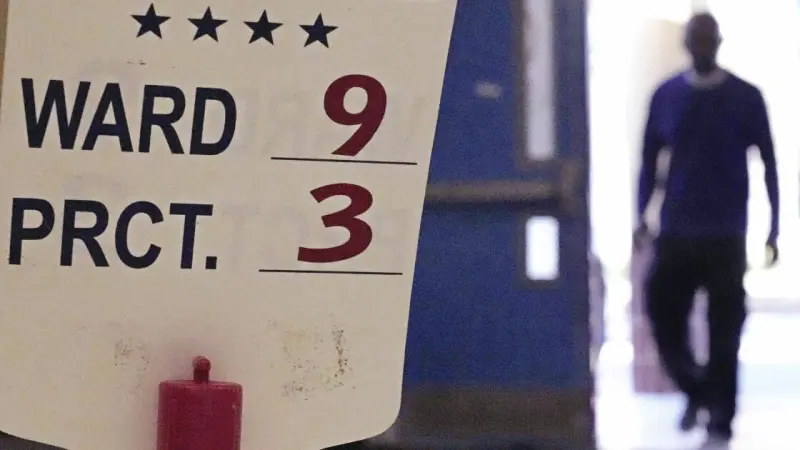
Election officials across Louisiana are grappling with the logistical nightmare posed by the ruling. Secretary of State Nancy Landry confirmed that all primary preparations are now on hold. "We are in uncharted territory," she stated, "and our priority is to comply with the court's order while minimizing disruption to our voters and candidates."
The suspension of the congressional primaries reverberates through the state's political landscape, leaving numerous aspiring candidates in limbo. Parties are reassessing their strategies, with the redrawing of lines potentially altering the competitiveness and demographics of several districts.
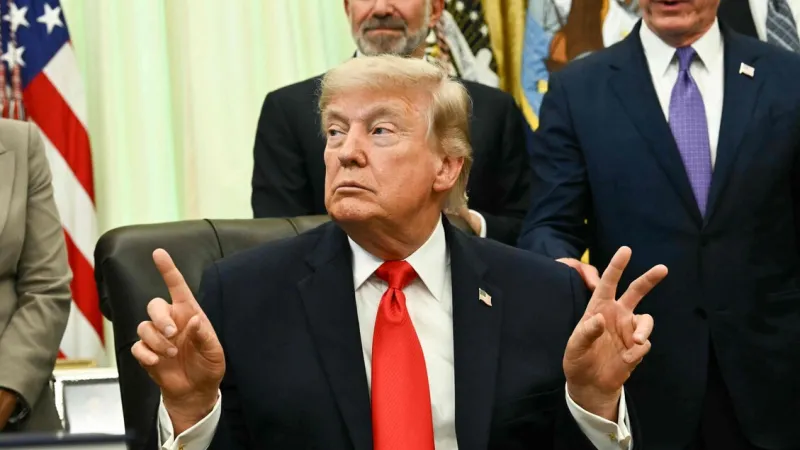
President Donald Trump, when asked about the ruling during a press conference at the White House, affirmed the Supreme Court's authority. "The Supreme Court has made its decision," President Trump remarked, "and states must follow the law. We believe in fair elections for all Americans."
This marks a significant victory for plaintiffs who have tirelessly fought for equitable representation. Janice Reed, lead counsel for the plaintiffs, lauded the ruling as a "triumph for democracy and the voting rights of all Louisianans." She called on the state legislature to act swiftly and justly in drafting a new map.
The court's decision did not specify a deadline for the new map but implied a timely resolution is expected to allow for a proper election cycle. This pressure mounts on a deeply divided state legislature already facing a packed agenda in 2026.
Experts suggest the state will likely face a court-imposed map if it fails to produce one that passes judicial muster within a reasonable timeframe. This scenario has played out in other states grappling with similar legal challenges to their electoral boundaries.
The financial implications of this suspension are also considerable, with funds allocated for primary elections now redirected or put on hold. State taxpayers will likely bear the cost of extended legal battles and potential special sessions.
This ruling could set a precedent for other states where congressional maps are currently under legal scrutiny for alleged racial gerrymandering, signaling a renewed vigor in enforcing the Voting Rights Act. It underscores the judiciary's role in safeguarding the integrity of the nation's electoral processes.
The ongoing legal battles over redistricting highlight a persistent national debate about political power and representation. As Louisiana navigates this complex challenge, the outcome will be closely watched by political strategists and civil rights advocates nationwide.