 Debby Wijaya
ROME – Italian Deputy Prime Minister and Foreign Minister Antonio Tajani inadvertently ignited a political firestorm within the ruling coalition this week when he prematurely announced a new initiative dubbed Safe, only to issue a rapid correction, exposing underlying tensions among the majority parties. The incident swiftly transformed a procedural misstep into a public display of discord, prompting concerns about the stability of the current Italian government.
Tajani, a prominent figure from Forza Italia, one of the three main parties forming the government, initially presented the Safe program as a significant new policy direction. While specifics of the program remained vague in his initial comments, the announcement carried an air of finality, suggesting a consensus that, as it turned out, did not fully exist.
Hr. Tajani's office issued a swift clarification hours after his initial pronouncements, indicating that the Safe initiative was still under discussion and had not received official approval from all coalition partners. This backtracking underscored a noticeable lack of internal communication and alignment within the government ranks.
The correction did not defuse the situation; instead, it exacerbated it. Sources within the Fratelli d'Italia, Prime Minister Giorgia Meloni's party, and the League, led by Matteo Salvini, expressed frustration over the perceived unilateral nature of Tajani's announcement. Such public missteps are often interpreted as attempts to gain political leverage or bypass established decision-making processes, leading to resentment among allies.
This episode highlights the inherent challenges of coalition governance, particularly in a multi-party system like Italy's. Each party strives to assert its agenda and influence, and any perceived overreach can quickly unravel the delicate balance required for effective rule. The Safe program kerfuffle serves as a stark reminder of these ongoing struggles.
The Italian political landscape is frequently characterized by dynamic alliances and internal disputes. While not uncommon, such public spats can erode public trust and provide ammunition for opposition parties. The incident feeds into a narrative of disunity at a time when the government aims to project an image of strength and cohesion.
Though no specific quotes were released immediately, background briefings revealed palpable irritation among senior coalition members. One anonymous official suggested the incident reflected a deeper need for improved coordination, particularly on sensitive policy announcements that require collective endorsement.
The focus on this internal dispute risks diverting attention from crucial policy matters the government is currently addressing, including economic reforms, fiscal policies, and Italy's position within the European Union. A unified front is generally considered essential for navigating these complex challenges.
Historically, Italian governments have frequently faced internal friction, often leading to cabinet reshuffles or early elections. While the current incident might appear minor, it echoes a pattern of disagreements that, if left unmanaged, can escalate into more significant governmental crises. The stability of Italian governments is a perennial concern.
Observers will now closely watch how the coalition manages the fallout from Tajani's Safe program announcement and correction. The ability to smooth over such disagreements and present a united front will be crucial for the longevity and effectiveness of the Meloni government in the months ahead.
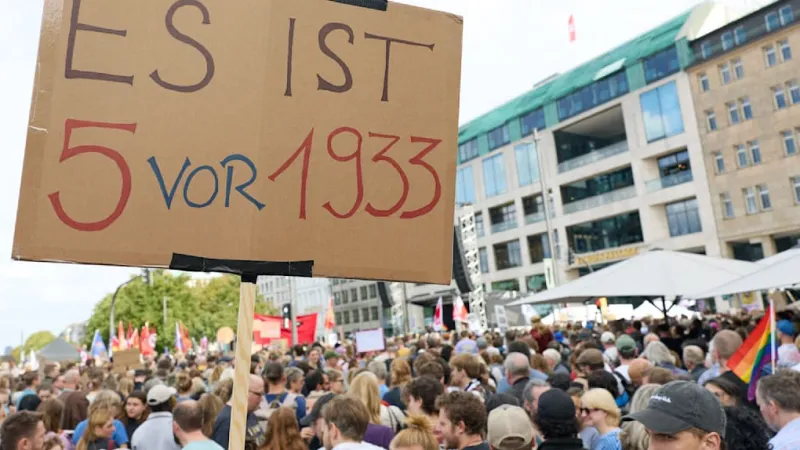
Similar instances of internal political tension have been observed across Europe, where complex coalition dynamics frequently test governmental resilience. For example, recent reports from Germany have highlighted ongoing challenges within ruling blocs, as detailed in an article titled AfD Extends Lead Over Union As German Left Surges Past SPD, underscoring the delicate nature of power-sharing arrangements.