 Stefani Rindus
Washington, D.C. — President Donald Trump today issued a stark warning to Canada, threatening the imposition of tariffs over what he characterized as Canada's intentional negligence in managing widespread wildfires whose smoke has repeatedly blanketed large swaths of the northeastern United States. The President's remarks signal a significant escalation in cross-border relations, underscoring growing frustration within his administration regarding the recurring environmental and public health crisis originating from the neighboring nation.
President Trump, addressing reporters from the White House, stated that the smoke plumes, which have become an annual phenomenon, are no longer tolerable. He lamented the significant impact on American citizens and the economy, attributing the problem directly to what he perceives as Canada's inadequate firefighting and prevention strategies. "This smoke from our neighbor is becoming an annual event, and it is unacceptable," President Trump asserted, hinting at economic repercussions if the situation does not improve drastically.
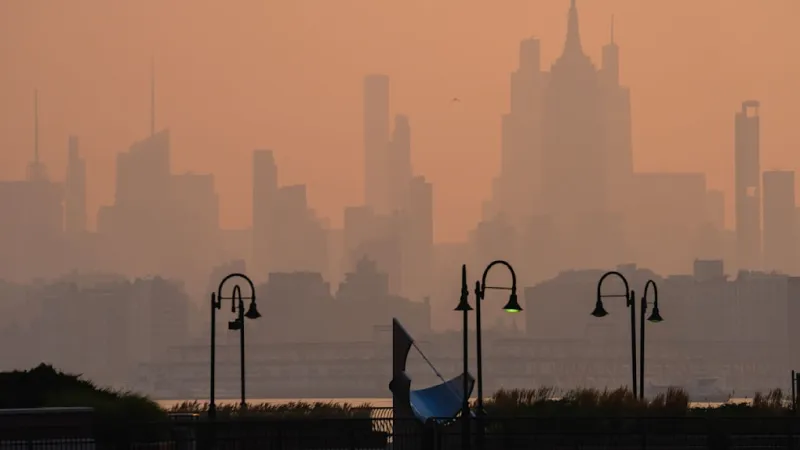
The extensive reach of the Canadian wildfire smoke has been palpable across major metropolitan areas of the US Northeast, from New York City to Boston, prompting air quality alerts and disrupting daily life. Schools have closed, outdoor events have been canceled, and health officials have advised millions to remain indoors, particularly those with respiratory conditions. This recurring seasonal hazard has intensified public discourse on environmental cooperation and accountability between the two allies.
Adding to the urgency, meteorologists have issued warnings that the density of the smoke could increase significantly in the coming days, potentially impacting the highly anticipated World Cup Final slated to take place in New Jersey. This forecast raises immediate concerns for public safety and the logistics surrounding the international sporting event, drawing attention from both the White House and FIFA officials. White House, FIFA Address World Cup Final Amid Canadian Wildfire Smoke Threat
The President's specific use of the phrase intentional negligence suggests a deeper level of culpability he attributes to the Canadian government beyond mere misfortune. This phrasing indicates a belief that Canada possesses the means and responsibility to mitigate these fires more effectively, and its failure to do so warrants a punitive response. The specific nature of potential tariffs remains unspecified, but analysts suggest they could target key Canadian exports to the U.S.
While wildfires are a natural occurrence, the scale and frequency of recent Canadian blazes, coupled with their sustained cross-border effects, have presented an unprecedented challenge. Environmental agencies in both countries have been monitoring the situation, but President Trump's latest remarks underscore a shift towards a more confrontational approach to the shared environmental problem.
Tariffs, typically employed as a tool in trade disputes, would mark a dramatic departure from standard environmental diplomacy between the two close trading partners. Such a move could reverberate through the North American economy, potentially affecting sectors reliant on cross-border trade and supply chains, further complicating an already delicate geopolitical landscape.
Public health experts continue to emphasize the severe health risks posed by prolonged exposure to wildfire smoke, including respiratory illnesses, cardiovascular problems, and a decline in overall air quality. The public outcry from affected US residents has amplified pressure on the administration to take decisive action, contributing to President Trump's firm stance.
This latest development signals a period of heightened tension in US-Canadian relations. While the two nations share the world's longest undefended border and robust economic ties, this environmental dispute, framed by President Trump as a matter of negligence, could test the resilience of their diplomatic framework.
Environmental scientists largely attribute the increasing intensity and frequency of wildfires to changing climate patterns, suggesting that such events may become more common. President Trump's focus on national negligence rather than broader climatic factors, however, indicates his administration's intent to place direct accountability on Canada for the ongoing crisis.
Despite the tariff threat, diplomatic channels remain open, though strained. Experts suggest that behind-the-scenes negotiations would likely focus on enhanced cross-border cooperation in fire suppression, resource sharing, and long-term prevention strategies to avert economic retaliations that could harm both economies.
As the US Northeast braces for potentially denser smoke and the World Cup Final approaches, the international community watches closely to see how this contentious issue between two G7 nations will unfold. President Trump's decisive action underscores a growing demand for immediate and effective solutions to a problem that transcends national borders.