Gabriella
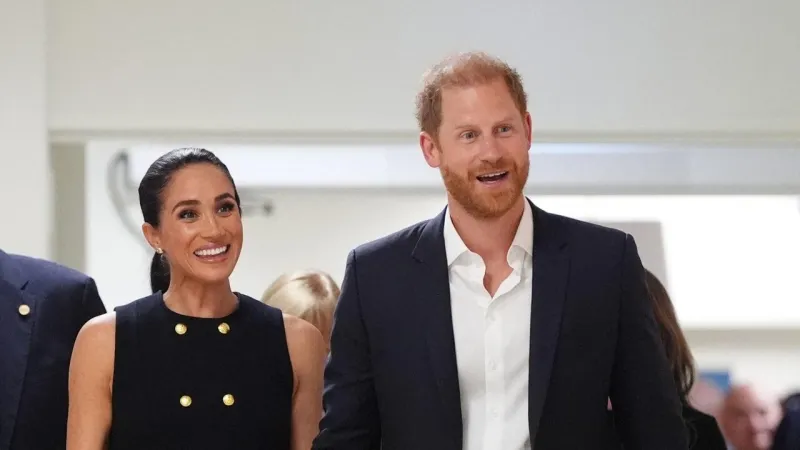
Prince Harry, Duke of Sussex, is slated to visit London alone, leaving his wife Meghan, the Duchess of Sussex, and their children, Prince Archie and Princess Lilibet, in the United States. This solo journey comes after the rejection of his petition for state-funded police protection during his stays in the United Kingdom, a decision that underscores ongoing security concerns for the non-working royal.
The denial of full protective security details from the British government means Prince Harry will be without the level of police safeguarding typically afforded to senior members of the royal family. This determination was upheld by a judicial review, marking a significant point in his continued efforts to secure official security arrangements for his family during UK visits.
The Duke has long expressed concerns over the safety of his family when in Britain, particularly since stepping back as a senior royal in 2020. His previous attempts to challenge the government's decision to remove his automatic police protection have largely been unsuccessful.
The decision for Meghan and the children to remain in their California residence highlights the persistent friction surrounding security protocols. Their absence speaks volumes about the perceived risks and the unresolved nature of the Duke's protection requests.
The Executive Committee for the Protection of Royalty and Public Figures, known as RAVEC, determines security provisions for individuals connected to the royal family. Their policy generally dictates that private security arrangements must be made for non-working royals, with state protection reserved for official engagements.
Prince Harry has previously initiated legal action against the Home Office over the security decision, arguing that his family's safety is compromised without appropriate state provision. These legal challenges have consistently affirmed RAVEC's authority and decisions.
The unfolding saga has drawn considerable public and media attention, fueling debates about the responsibilities of the state towards royal family members who have opted for a more private life. Opinions remain divided on whether the Duke should receive state-funded security given his altered status.
While the precise nature of Prince Harry's upcoming engagements in London remains undisclosed, such visits often involve charity work, patronages, or private family matters. His commitment to various causes continues despite the geographical distance and security hurdles.
The solo trip inevitably invites speculation regarding the dynamics within the royal family. It suggests a pragmatic approach to his commitments while navigating the complex security landscape that has become a defining aspect of his relationship with his former life in Britain.
This situation sets a precedent for how non-working royals are treated regarding security, potentially influencing future decisions for other family members. It underscores the challenges of balancing personal independence with the unique risks associated with royal lineage.
The Duke's solo return to London reinforces the continuing quandary over his family's security. Without a resolution, the likelihood of seeing Meghan, Archie, and Lilibet join him on future UK visits appears increasingly remote, deepening the transatlantic divide.
As Prince Harry prepares for his visit, all eyes will be on the specifics of his itinerary and any public statements regarding his time in Britain. The journey represents another chapter in his ongoing quest for a secure path for his family, both in the UK and abroad.