 Dorry Archiles
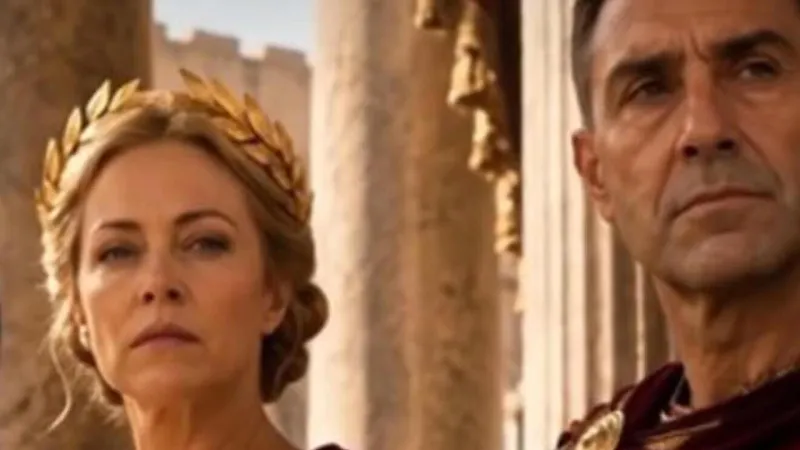
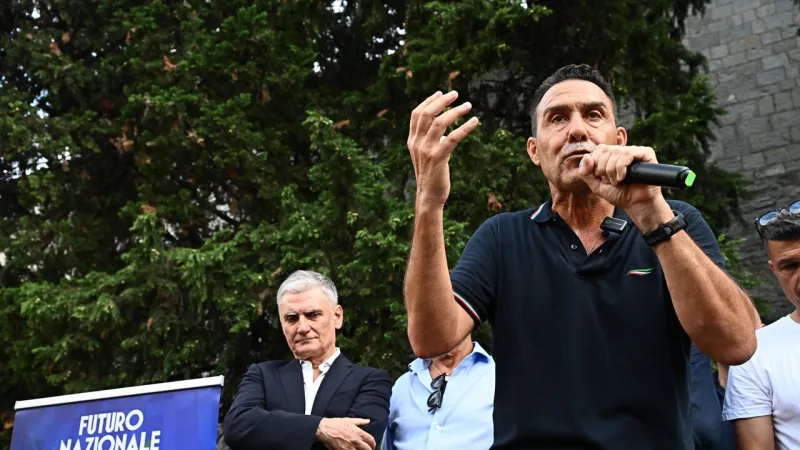
ROME – Italian Prime Minister Giorgia Meloni has publicly disavowed a controversial video released by General Roberto Vannacci, while simultaneously issuing a pointed challenge to the political left to likewise condemn hate-fueled rhetoric originating from within its own coalition. The statement by the leader of the Brothers of Italy party highlights a growing political debate over the boundaries of free expression and responsible public discourse in Italy, particularly as the nation navigates complex social and political currents.
Meloni's remarks came amid increasing scrutiny of Vannacci, a figure who has garnered both support and condemnation for his outspoken views, often perceived as ultraconservative and provocative. The specific content of the video in question, though not explicitly detailed in Meloni's statement, has reportedly fueled significant public discussion and political division.
During her public address, Prime Minister Meloni emphasized the importance of maintaining a clear ethical standard across the political spectrum. Her dissociation from Vannacci's content signals an attempt to define the acceptable parameters of discourse for members or allies of her political movement.
However, Meloni did not stop at merely distancing herself. She then pivoted to criticize the opposition, specifically citing an unnamed Democratic Party (PD) councilor. "They should distance themselves from the PD councilor who evokes rifles against opponents," Meloni stated, directly quoting the sentiment she found objectionable. This remark escalated the discussion from an internal party matter to a broader accusation of hypocrisy.
The Prime Minister's challenge suggests that her condemnation of certain rhetoric is not isolated but part of a wider call for political consistency. This strategy aims to shift the narrative, asserting that concerns about divisive language should apply equally to all political factions.
This incident underscores the volatile nature of contemporary Italian politics, where public figures' statements often spark intense reactions and reciprocal accusations. The ability of leaders to manage such controversies is crucial for maintaining public trust and political stability.
General Vannacci himself has been a polarizing figure in Italian public life. His previous publications and statements on immigration, LGBTQ+ rights, and historical revisionism have drawn significant media attention and sparked vigorous debate, frequently dividing public opinion.
The Democratic Party, the main opposition force, has yet to issue a comprehensive response to Meloni's specific accusation regarding one of its councilors. The political implications of Meloni's direct challenge could compel the PD to address the matter internally or publicly.
Observers suggest Meloni's move is a calculated political maneuver. By condemning one of her own movement's controversial figures while simultaneously highlighting perceived infractions on the left, she seeks to present her party as principled and fair-minded, even in complex situations.
This political skirmish over rhetoric is not new to the Italian landscape. Leaders have frequently used public platforms to define acceptable discourse, often leading to accusations of selective outrage or political opportunism from opposing sides.
The broader context involves a period of heightened social tensions and political polarization within Italy. Debates around identity, national values, and immigration continue to dominate headlines, making any perceived inflammatory language particularly sensitive. Prime Minister Meloni has previously demonstrated a firm stance against unrest, as seen in her response to events such as those detailed in Meloni Condemns Bologna Unrest As Fakir Death Inquiry Intensifies.
Such incidents highlight the delicate balance between freedom of speech and the responsibility of public figures to foster respectful dialogue. Political commentators note that the electorate increasingly demands accountability from all leaders regarding their communication styles.
The Prime Minister's administration has often positioned itself as a defender of traditional values and national identity. This stance naturally places it at odds with progressive movements, leading to frequent clashes over cultural and social issues.
The challenge posed by Meloni to the left also reflects ongoing efforts by her government to shape the national conversation and define the terms of political engagement, a strategy consistent with her past demands for transparency, such as those highlighted in Bologna Erupts: Meloni Demands Truth After Custody Death, Night Clashes.
The outcome of this specific exchange may influence future political campaigns and the tone of public debate leading up to upcoming elections. How each party manages controversial figures and statements could significantly impact public perception.
The incident further illustrates the deep ideological divides that characterize contemporary Italian politics, with both major blocs often struggling to find common ground or even shared principles for public conduct. The prevalence of such highly charged discussions also puts pressure on judicial institutions, as discussed in Italian Magistrates Endure Threats, Hate Climate Amid Roggero Case.
As the political discourse continues to evolve, the distinction between robust debate and unacceptable incitement remains a contentious issue. Meloni's latest statement adds another layer to this complex and ongoing national conversation.