 Debby Wijaya
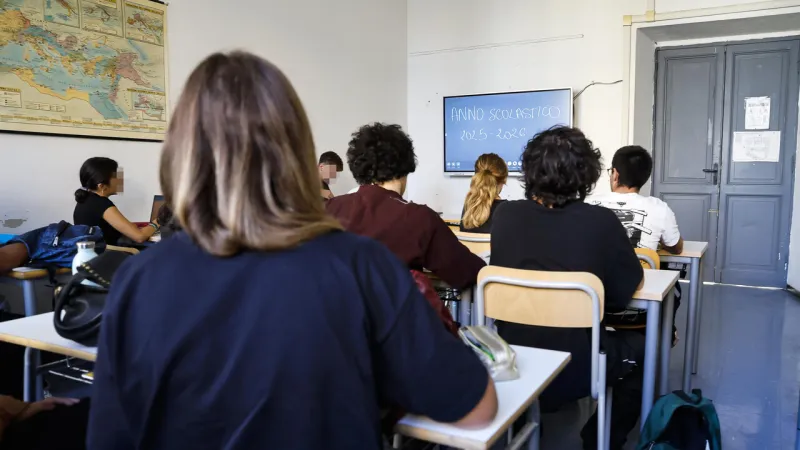
ROME – Teachers globally are facing an exacerbated return-to-school stress, manifesting as profound burnout, a phenomenon critically examined in a new rubric from Italy's prestigious Treccani encyclopedia. This deep dive by the academic institution illuminates why educators are succumbing to unprecedented levels of professional exhaustion and what systemic factors intensify their plight as the 2026 academic year commences.
The term burnout, originally coined to describe severe stress and exhaustion in demanding professions, now increasingly characterizes the state of the modern teaching workforce. Educators report feeling emotionally drained, depersonalized towards students, and experiencing a reduced sense of personal accomplishment, signs indicative of a widespread professional crisis.
Treccani, renowned for its authoritative encyclopedic content, has introduced this dedicated entry to underscore the severity and prevalence of the issue. Its inclusion signifies a growing recognition within academic and cultural spheres of the profound challenges confronting the education sector and its invaluable human capital.
The root causes of this pervasive stress are multifaceted. Increased workload stands as a primary contributor, with teachers routinely dedicating hours beyond the traditional school day to lesson planning, grading, and extracurricular activities. The boundary between professional duty and personal time often blurs, leading to perpetual engagement and mental fatigue.
Administrative burdens further complicate the situation. Educators frequently contend with an escalating volume of paperwork, mandatory training sessions, and accountability measures that divert time and energy away from direct instruction. These bureaucratic demands, while often well-intentioned, can detach teachers from their core pedagogical mission.
Classroom dynamics also play a significant role. Teachers navigate diverse student needs, evolving behavioral challenges, and the emotional labor inherent in fostering a supportive learning environment. Managing these complexities requires immense resilience and resources, which are often stretched thin.
The lingering effects of the recent global pandemic have significantly aggravated the situation. The abrupt shifts to remote learning, hybrid models, and subsequent efforts to address learning gaps have placed immense pressure on educators. Many continue to grapple with the academic and emotional fallout among their students.
Resource deficiencies contribute substantially to educator stress. Schools frequently operate with inadequate funding, leading to outdated materials, overcrowded classrooms, and a scarcity of vital support staff, such as counselors and special education assistants. These limitations force teachers to absorb additional responsibilities, further amplifying their stress.
Societal expectations also exert considerable pressure. Teachers often face heightened scrutiny from parents, communities, and policy makers regarding student performance, curriculum choices, and school safety. The expectation to be both an academic guide and a societal problem-solver can be overwhelming.
The personal toll on educators is severe. Chronic stress and burnout can lead to serious mental and physical health issues, including anxiety, depression, insomnia, and weakened immune systems. This impacts their quality of life outside the classroom as well as their effectiveness within it.
For the education system, the consequences are dire. High rates of teacher burnout contribute directly to increased turnover and persistent teacher shortages, particularly in critical subject areas and underserved communities. This instability disrupts learning continuity and places greater strain on remaining staff.
Students, too, bear the brunt of this crisis. When teachers are exhausted and disengaged, the quality of instruction can suffer, affecting student motivation, academic achievement, and overall well-being. A stressed teacher struggles to provide the nurturing and dynamic environment essential for optimal learning.
This phenomenon is not confined to any single nation but is a recognized global issue, with studies across continents echoing Treccani's findings. International education bodies and unions consistently advocate for systemic changes to protect and support the teaching profession.
Advocates emphasize the need for comprehensive solutions that include reducing class sizes, providing competitive salaries and benefits, and investing in professional development focused on well-being and stress management. Empowering teachers with greater autonomy in their classrooms is also frequently cited as a crucial step.
Policy makers are urged to prioritize the long-term health of the education workforce. This includes implementing policies that streamline administrative tasks, increase funding for school resources, and foster a culture of respect and support for educators within communities.
Preventative measures, such as promoting better work-life balance through reasonable hours and dedicated planning time, are vital. Access to mental health services and confidential support programs for teachers can also mitigate the onset and severity of burnout symptoms.
Ultimately, investing in robust support systems for teachers is an investment in the future of society. A well-supported, energized teaching corps is fundamental to producing engaged, educated citizens capable of navigating the complexities of the 21st century.
Treccani's decision to include a detailed examination of teacher burnout within its hallowed pages elevates the discourse surrounding this critical issue. It serves as a powerful reminder that the mental and emotional well-being of educators is not merely an individual concern, but a societal imperative requiring urgent and collective action.
Addressing the systemic pressures that aggravate teacher burnout requires a concerted effort from governments, educational institutions, parents, and communities. Only through such unified commitment can the profession reclaim its vitality and ensure a thriving educational landscape for all students.