 Demian Sahputra
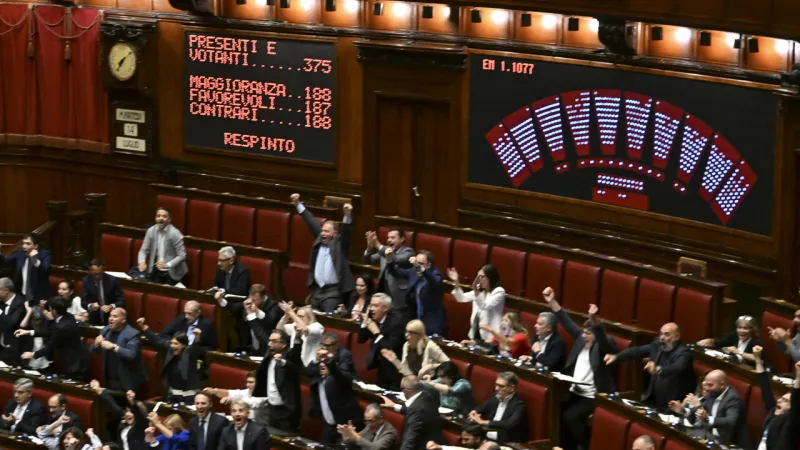
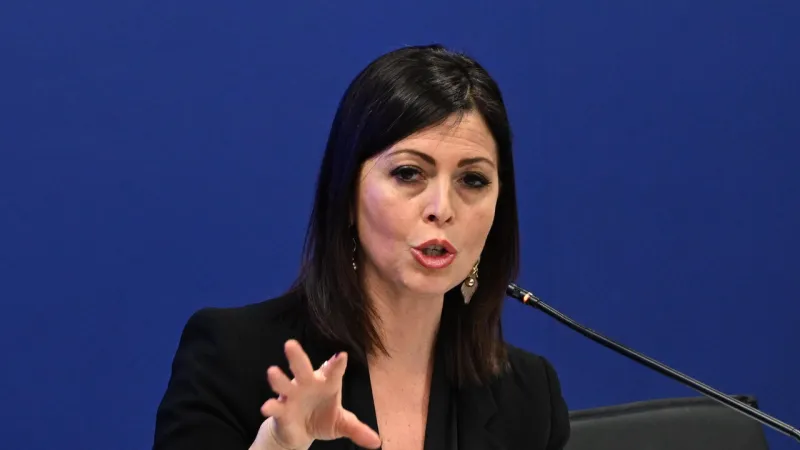
ROME – Italy's executive branch, facing a significant parliamentary setback on electoral law preferences, has affirmed its resolve to continue its mandate. Luca Ciriani, the Minister for Parliamentary Relations, declared the government's intention to see its term through, even as Democratic Party leader Elly Schlein voiced the opposition's readiness for snap elections, potentially as early as September. This political maneuvering follows a contentious vote in the Aula, the main hall of the Italian Parliament, that exposed fragilities within the ruling coalition.
Minister Ciriani's statement underscores the administration's determination to maintain stability amidst growing political turbulence. Speaking to reporters, he unequivocally stated, "We go forward, we want to conclude the government experience." His comments aimed to reassure both the public and international observers that the government of Prime Minister Giorgia Meloni remains committed to its legislative agenda and its full five-year term.
The parliamentary defeat centered on a proposed modification to the nation's electoral law, specifically concerning the allocation of voter preferences. This aspect of the reform sought to adjust how citizens directly influence candidate selection, a measure often fraught with political implications and internal party divisions. The unexpected rejection of the government's position by a parliamentary vote highlighted potential cracks within the governing majority.
Opposition leader Elly Schlein, representing the Democratic Party, quickly seized upon the government's vulnerability. Her assertive declaration, "Elections in September? We are ready in every moment," signals a clear challenge to the current administration's hold on power. The call for snap elections reflects a strategy to capitalize on perceived government weakness and force an early return to the polls.
The vote itself, which saw the government's preferred stance on electoral preferences rejected, was widely reported as a stinging blow to the executive. News outlets detailed how the Italian government suffered a stunning defeat on electoral preferences, marking a rare instance where the majority could not rally sufficient support for its position on a key legislative matter.
Such parliamentary missteps can have profound effects on a government's authority and legislative momentum. A loss on a measure tied to the fundamental rules of representation is particularly sensitive, often prompting questions about the coalition's unity and its ability to govern effectively. The current event reignites debates about the durability of the Meloni government.
The electoral law governs how votes translate into parliamentary seats, a critical component of Italy's often-complex political landscape. Adjustments to these laws frequently spark intense debate, as they can alter the balance of power and the composition of future legislatures. The government's push for certain preference rules was part of a broader effort to streamline parliamentary processes.
Past discussions surrounding Italian electoral reform reveal a history of political parties, including coalition members like Forza Italia and the League, holding diverse views on the optimal balance between proportionality and governability. The Democratic Party, on the other hand, often advocates for measures that enhance direct voter choice.
Political analysts are now scrutinizing the immediate aftermath for signs of further instability. While the government officially projects an image of unwavering resolve, the opposition's invigorated calls for early elections demonstrate how fragile the political consensus can be. The prospect of snap elections, though often disruptive, remains a constitutional mechanism for resolving deep-seated parliamentary impasses.
The opposition's stance, particularly articulated by Schlein, highlights the intensified political climate. Following the significant setback, reports indicated that Italy's majority was stunned by the electoral law defeat, which naturally fueled the opposition's demands for a swift return to the polls.
For the executive, the challenge now involves navigating upcoming legislative sessions with renewed caution and seeking to reassert its authority. The government must demonstrate that this defeat was an isolated incident rather than a harbinger of sustained internal strife or diminishing control over the parliamentary agenda.
The immediate future of Italian politics hinges on whether the government can consolidate its coalition and advance its policy priorities, or if the opposition's push for early elections gains enough traction to force a premature end to the current parliamentary term. Observers will watch closely for further developments in the coming weeks and months.