Gabriella
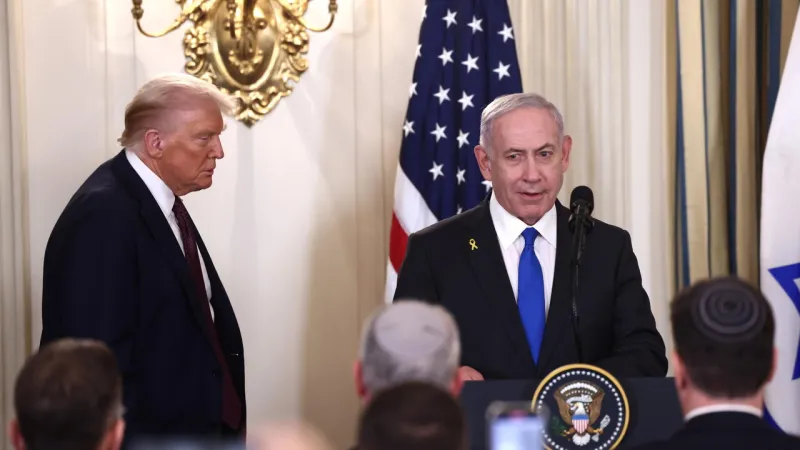
Washington, D.C. — President Donald Trump issued a definitive assurance today that Israeli Prime Minister Benjamin Netanyahu would not face arrest under any circumstances within the United States, a pronouncement that arrives amidst significant shifts in regional power dynamics and escalating military engagements. This declaration coincides with the confirmation of Khalil al-Hayya as the new leader of Hamas, further reshaping the volatile geopolitical landscape of the Middle East.
President Trumps statement underscores a robust commitment to US-Israel relations, potentially preempting any international legal challenges or warrants that might target Netanyahu. The context of this assurance is particularly salient given ongoing investigations and international pressure concerning the actions of various leaders in conflict zones. The White House has not yet provided further details on the specific legal frameworks or precedents underpinning this presidential pledge.
Observers note that such a strong public declaration from a sitting US President offers a significant diplomatic shield, reaffirming Israels strategic alliance with the United States. This move is seen by many as a calculated effort to bolster a key ally at a moment of considerable regional instability. International legal experts are likely to scrutinize the implications of such a broad presidential guarantee.
Simultaneously, the militant group Hamas has announced Khalil al-Hayya as its new leader, succeeding his predecessor at a critical juncture for the Palestinian movement. Al-Hayya, a long-standing senior figure within Hamas, is known for his hardline stance and close ties to the groups military wing. His ascension is anticipated to influence the organizations strategic direction and engagement with regional and international actors.
The leadership transition within Hamas introduces a new variable into the complex Israel-Palestinian conflict. Analysts suggest that al-Hayyas leadership could signal a period of intensified rhetoric or shifts in tactical approaches, potentially impacting future peace initiatives or escalations. His past public statements have consistently emphasized resistance and a rejection of Israeli occupation.
Adding to the regional tumult, Iran has endured a ninth consecutive night of targeted raids. Details surrounding the nature and perpetrators of these attacks remain sparse, but the sustained aerial bombardment signals a significant escalation in the shadows of the broader Middle Eastern power struggle. These raids consistently target facilities within Iranian territory, raising concerns about potential wider conflict.
The persistent strikes against Iran have drawn international attention and condemnation, with calls for de-escalation from various global bodies. The identity of those responsible for the raids remains officially unconfirmed, though speculation is rife regarding potential state actors involved in seeking to destabilize or limit Irans capabilities. The long duration of these nightly operations indicates a determined campaign.
Senator Marco Rubio (R-FL) weighed in on the escalating regional crisis, stating that “other countries must do more” to address the ongoing instability. Rubios remarks, made during a national security briefing, highlighted the perceived inadequacy of international efforts to contain the multifaceted conflicts erupting across the Middle East. His call for increased participation echoes sentiments from other US policymakers.
Rubios assertion points to a growing consensus among some American political figures that the burden of maintaining regional stability should not fall solely on the United States. He emphasized the necessity for allies and other influential nations to assume greater responsibility in confronting threats, particularly those emanating from state-sponsored aggression and non-state actors alike.
The convergence of these events – President Trumps firm assurance for Netanyahu, the changing of the guard within Hamas, and the unrelenting raids on Iran – paints a picture of a region teetering on the brink. Each development carries profound implications for international diplomacy, security alliances, and the lives of millions caught in the crossfire of geopolitical maneuvering. The delicate balance of power continues to shift.
The United States, under President Trumps leadership, remains a central figure in these unfolding narratives, navigating complex alliances and adversaries. The administrations foreign policy approach in the Middle East is characterized by a strong stance on supporting allies and confronting perceived threats, a strategy that is now being tested by these rapid and significant regional transformations.
The impact of Khalil al-Hayyas leadership on Hamas and the broader Palestinian cause will be closely monitored by international observers. His background suggests a continuation of a militant ideology, which could further complicate prospects for a negotiated peace with Israel. The international community grapples with how to engage with a newly configured Hamas leadership amidst these heightened tensions.
Meanwhile, the sustained air campaign against Iran risks provoking a more direct and extensive response from Tehran, potentially igniting a wider conflict that could draw in multiple regional and international players. The international community continues to appeal for restraint, but the nightly bombardments suggest a determined effort by unseen forces.
The call from Senator Rubio for greater international responsibility reflects a broader strategic recalibration in Washington, advocating for a more distributed approach to global security challenges. This perspective emphasizes collective action and shared commitment to upholding international norms and stability in regions prone to conflict.
These interwoven developments underscore a period of intense volatility and strategic re-evaluation for all parties involved. The decisions and declarations made now will undoubtedly shape the future trajectory of the Middle East, with President Trumps decisive stance on Netanyahu adding another layer of complexity to an already intricate geopolitical puzzle.