 Edward DP Situmorang
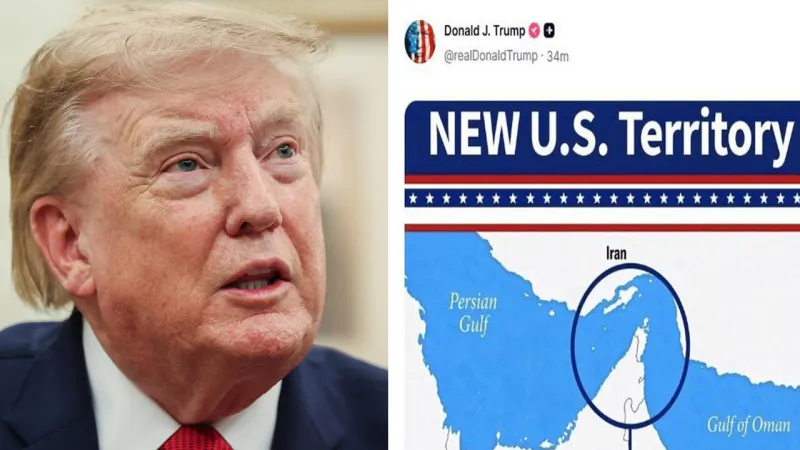
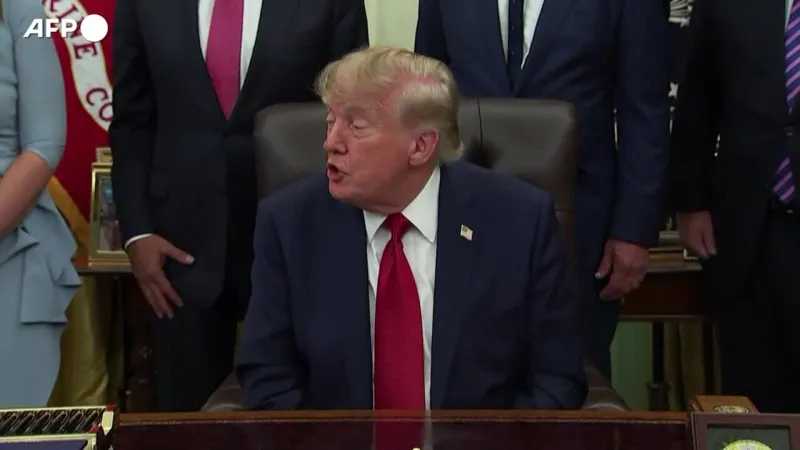
WASHINGTON, D.C. – President Donald Trump ignited a new geopolitical firestorm this week by declaring the strategic Strait of Hormuz "new US territory" on his prominent social media platform. This provocative assertion drew immediate and sharp condemnation from Tehran, which swiftly dismissed the claim as a deluded fantasy.
Trump's declaration arrives amidst soaring tensions in the Persian Gulf, a region already grappling with renewed aggression. Yemen-based Houthi rebels recently launched missiles toward the United Arab Emirates and attacked a critical Saudi Arabian refinery, further destabilizing the volatile area.
The president's unexpected announcement, made late Tuesday, featured a digitally altered map of the vital waterway, controversially depicting it under American sovereignty. This bold move immediately amplified anxieties across global capitals, given Hormuzs pivotal role in international oil shipping.
Tehran responded with vehement condemnation. A spokesperson for the Iranian Ministry of Foreign Affairs, Bahram Ghasemi, stated, "The American president lives in an illusion. Hormuz has always been and will remain Iranian territory, vital to regional and international maritime passage under our sovereign control."
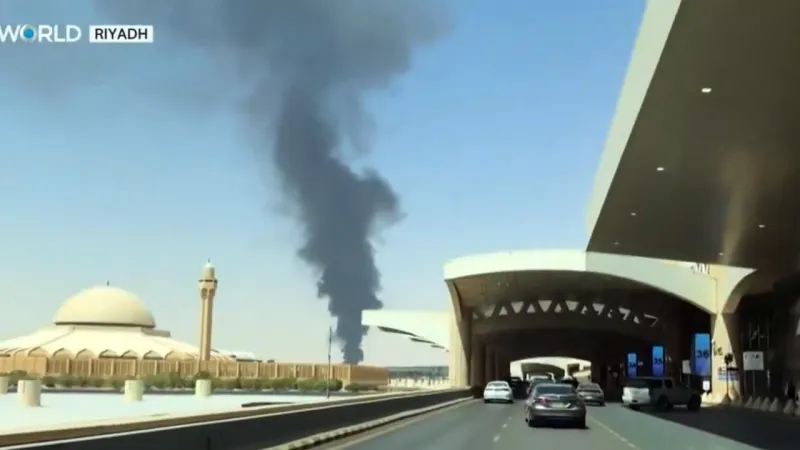
Beyond Trumps declaration, the Gulf region faced tangible security threats. Unspecified missile projectiles targeted sites within the United Arab Emirates this week, marking a significant escalation in the ongoing conflict with the Houthi movement. Simultaneously, a drone assault struck a key oil refinery in Saudi Arabia, disrupting operations and further unsettling energy markets.
The Strait of Hormuz, a narrow choke point between the Persian Gulf and the Gulf of Oman, serves as the worlds most crucial oil transit route. Roughly one-fifth of global oil consumption, along with a substantial portion of liquefied natural gas, passes through its waters daily. Any claim of territorial change or disruption in this corridor carries immense international implications.
International law firmly recognizes the Strait of Hormuz as international waters, subject to the United Nations Convention on the Law of the Sea (UNCLOS), allowing for unimpeded transit passage. President Trumps unilateral declaration lacks any apparent legal foundation under existing international frameworks, raising questions about its enforceability and intent.
Analysts widely regard Trumps declaration as a significant escalation that risks military confrontation. The move challenges the delicate balance of power in the region and could incite further retaliatory actions from Iran and its proxies. Previous incidents, such as when a projectile struck a ship in Hormuz amid Iran-US tensions, underscore the extreme volatility of the area.
While official international reactions are still emerging, diplomatic sources indicate widespread concern. European Union officials privately expressed alarm over the potential for miscalculation, urging both Washington and Tehran to exercise restraint. The United Nations is expected to call for de-escalation, reiterating the importance of international maritime law.
The heightened instability immediately sent ripples through global energy markets. Oil prices saw an upward trend, reflecting investor apprehension over potential supply disruptions from the critical Hormuz passageway, a scenario that could have profound global economic consequences.
Relations between the United States and Iran remain acutely strained in 2026, characterized by a series of confrontations over Irans nuclear program, its regional influence, and maritime security in the Gulf. This latest development only deepens the existing chasm. This situation echoes past events, where Iran missiles and Trumps territorial claim inflamed the region, and Iran rockets targeted the UAE amidst similar claims.
Security experts warn that such assertive claims, coupled with ongoing military actions by proxy groups, create a perilous environment. Dr. Evelyn Reed, a prominent Middle East policy scholar, noted, "This is not merely saber-rattling; it is a direct challenge to a nations sovereignty and international norms that could have unforeseen and devastating consequences." The coming days will be critical as the world observes how both sides manage this latest surge in tensions, with the Strait of Hormuz remaining a significant geopolitical flashpoint.