 Demian Sahputra
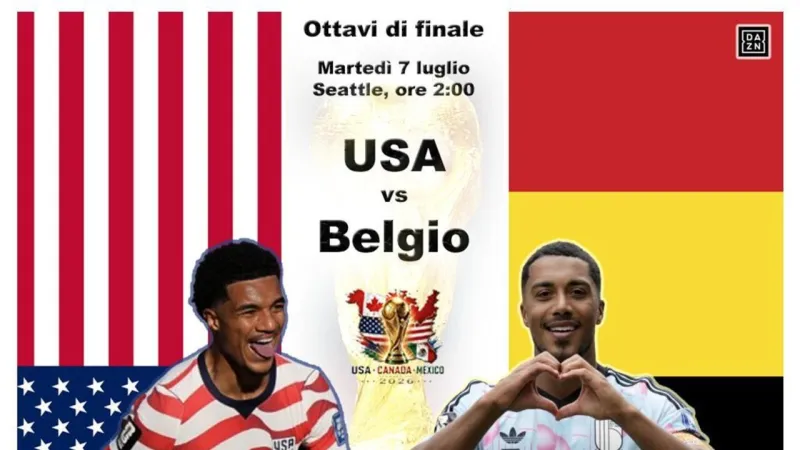
The highly anticipated World Cup clash between the United States and Belgium, scheduled for this evening, finds itself overshadowed by a pervasive political controversy stemming from President Donald Trump's unexpected intervention in the Folarin Balogun eligibility dispute. The global spectacle of football has been abruptly thrust into a discussion of political influence, casting a long shadow over the quarterfinals.
Preparations for the critical match have been profoundly disturbed by the ongoing saga surrounding Balogun, whose reinstatement to the United States roster following an initial FIFA rejection has sent shockwaves across the international sporting community. This turn of events has transformed a standard tournament fixture into a referendum on the autonomy of global sports governance.
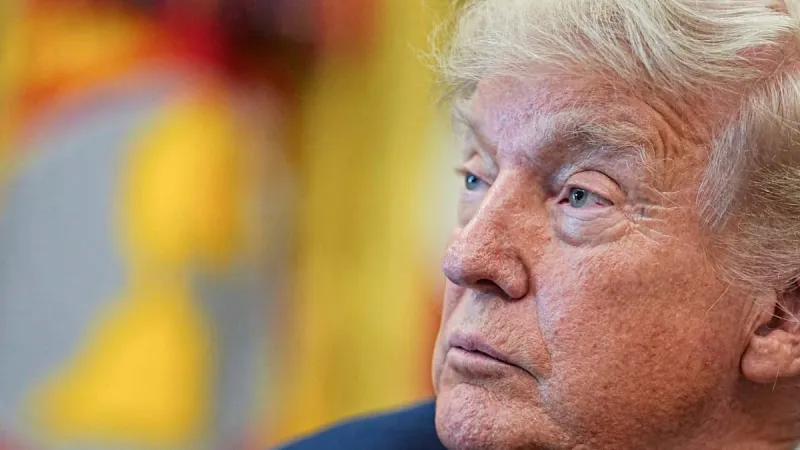
The controversy began when FIFA initially rejected an appeal concerning Balogun's eligibility, a decision that appeared to seal his exclusion from the World Cup. However, the narrative shifted dramatically when President Trump publicly weighed in, asserting that the alleged foul was “not there” and implicitly advocating for Balogun's inclusion. This presidential pressure seemingly led to a reversal or reconsideration of his status.
Reports indicate President Trump's direct involvement proved decisive, leading to Balogun's eventual reinstatement to the U.S. squad. This unprecedented move sparked immediate outrage and widespread debate, challenging the perceived neutrality and independence of football's highest governing body. The episode has been widely discussed as Trump Intervention Reinstates Balogun for World Cup, Sparks Outcry among pundits and fans alike.
FIFA's perceived capitulation to political pressure has ignited what many now term a full-blown credibility crisis. Critics from various corners, including prominent European figures, have called for a reassessment of the organization's leadership, suggesting that Europe Must Challenge Infantino After Trump Intervention to safeguard the integrity of the sport.
The Belgian camp, while maintaining focus on the upcoming match, has undoubtedly observed the unfolding drama with keen interest. The integrity of the tournament and fairness of competition are paramount concerns when such external pressures appear to sway official decisions, potentially altering team dynamics and competitive balance.
For the United States team, the situation presents a dual-edged sword. While Balogun's presence might strengthen their attacking options, the cloud of controversy could create internal and external distractions. Players and coaching staff face the challenge of isolating themselves from the political noise to concentrate solely on their performance against a formidable Belgian side.
The broader implications extend beyond this single tournament. Analysts are scrutinizing the long-term impact on FIFA's ability to enforce its regulations consistently and impartially. The events have intensified calls for greater transparency and accountability within international sports organizations, especially when confronted by powerful political figures.
The episode has drawn parallels to other politically charged moments in sports history, but the direct, public intervention by a sitting United States President in a player eligibility matter for a global tournament is largely seen as without precedent. This creates a significant precedent for future interactions between politics and international sport.
As the clock ticks down to kickoff, the match itself threatens to be overshadowed by the ongoing dialogue surrounding fair play and political interference. Spectators and media will undoubtedly watch not only the action on the pitch but also for any signs that the off-field drama has influenced the performances of the players involved.
The Balogun controversy serves as a stark reminder of the increasing intersection between global politics and major sporting events, pushing the boundaries of traditional sports governance. The outcome of the USA-Belgium encounter, irrespective of the score, will be inextricably linked to this defining moment in World Cup history.