 Angel Doris
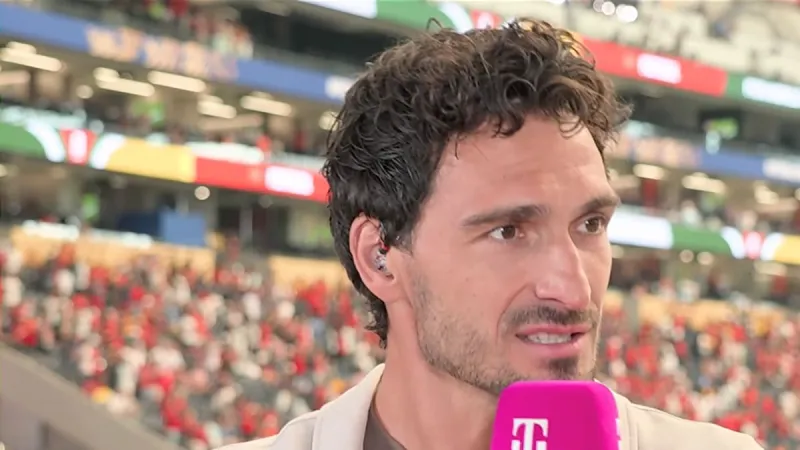
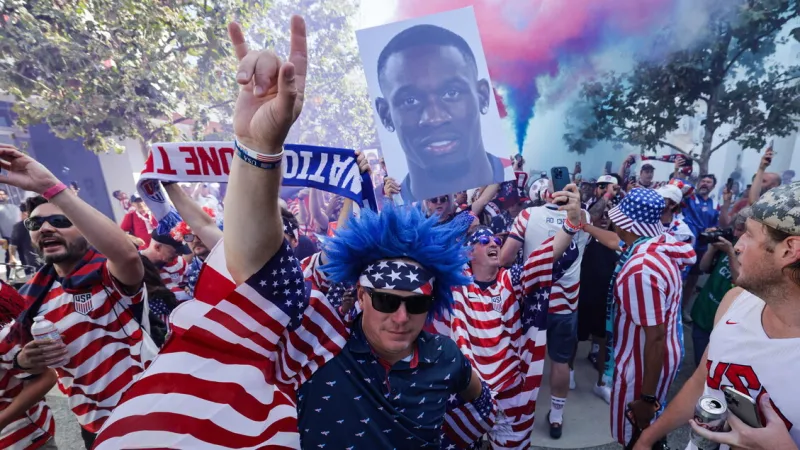
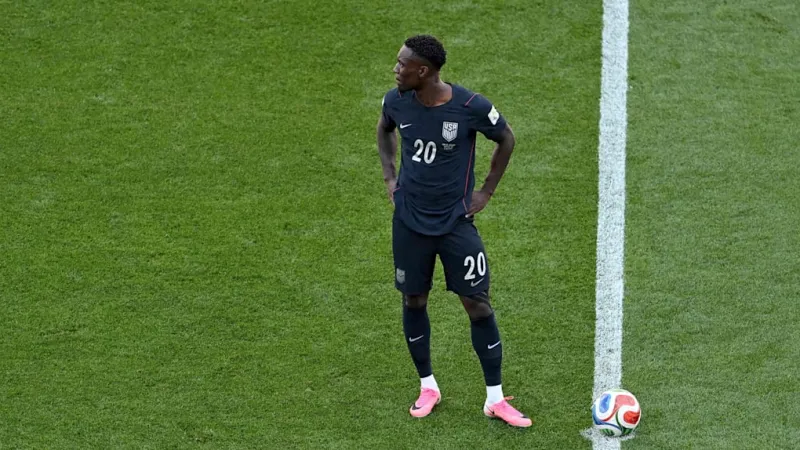
President Donald Trump's direct intervention with FIFA President Gianni Infantino has controversially reinstated US top scorer Balogun for the World Cup Round of 16 match against Belgium, sparking immediate and widespread outrage across the football world. The decision, coming after an initial rejection of Balogun's appeal, has prompted German World Cup winner Mats Hummels to state, “I find all of this terrible,” reflecting a growing sentiment of unfairness.
The unexpected reversal means the prolific American striker, a pivotal figure for the United States national team, will now be eligible to compete in the crucial knockout stage fixture. This development follows a period of intense speculation and a formal appeal process that had previously sided against Balogun's participation, intensifying scrutiny on FIFA's governance.
The intervention by President Trump directly targeted FIFA President Gianni Infantino, highlighting an unprecedented level of political influence in what is ostensibly a sporting decision. Such high-level diplomatic engagement in the adjudication of a player's eligibility is a rare occurrence, raising significant questions about the autonomy and integrity of global football's governing body.
Initially, FIFA had rejected the US Soccer Federation's appeal regarding Balogun's status, a decision that had seemingly cemented his exclusion from the pivotal match. Reports from the time indicated President Trump firmly believed the initial foul call, which led to Balogun's suspension, “was not there,” as documented in an earlier report titled FIFA Rejects Balogun Appeal; Trump Claims Foul 'Not There'.
This dramatic reversal underscores escalating concerns about FIFA's internal processes and its susceptibility to external pressures. Critics argue that the decision undermines the foundational principles of fair play and judicial independence within sport, suggesting a dangerous precedent for future international competitions.
Indeed, the episode has reignited discussions about FIFA's overall credibility. The intervention prompts a reevaluation of how decisions are made at the highest levels of the organization and whether its leadership can withstand political sway. Many observers and football federations are now calling for greater transparency and stricter adherence to established protocols.
European football powerhouses, in particular, are reportedly dismayed by the turn of events. There is a growing consensus that Europe must challenge Infantino following this high-profile intervention to safeguard the sport's integrity, as explored in articles like FIFA Credibility Crisis: Europe Must Challenge Infantino After Trump Intervention.
Belgium, the United States' opponent in the Round of 16, has already registered its strong objections to Balogun's reinstated permit. This challenge exposes what many perceive as FIFA's moral lapses and inconsistencies, creating an atmosphere of resentment and suspicion just days before a major World Cup clash. The situation has been closely monitored, with reports such as Belgium Challenges Balogun Permit, Exposing FIFA's Moral Lapses detailing the unfolding protest.
The profound impact of the Balogun decision extends beyond just the upcoming match. It has rocked FIFA's credibility to its core, sparking significant outcry from UEFA and other international football bodies, as highlighted in the article Balogun Decision Rocks FIFA Credibility, Sparks UEFA, Belgium Outcry. The lingering question remains whether the global football community can trust the impartiality of future FIFA rulings.
As the World Cup progresses, all eyes will not only be on the pitch but also on the implications of this controversial reinstatement. The integrity of the tournament and the reputation of FIFA itself hang in the balance, overshadowed by the unprecedented involvement of a head of state in a sporting disciplinary matter. The sentiment that “it just feels incredibly unfair” is likely to persist among many competing nations and fans.