 Angela Stefani
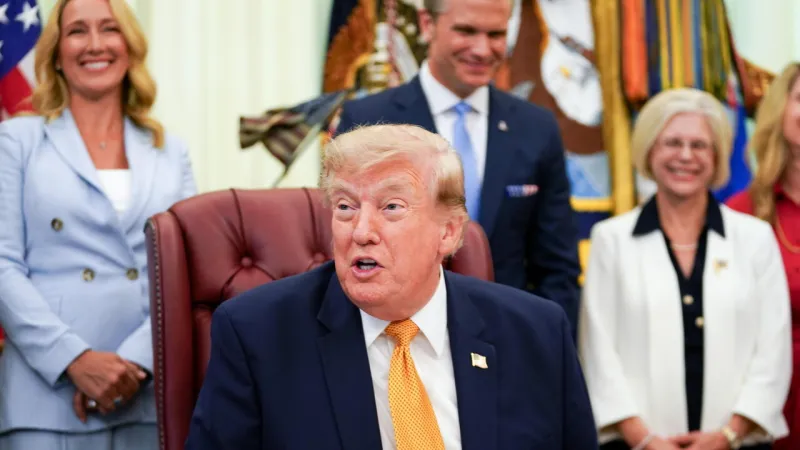
WASHINGTON – President Donald Trump has signaled a prospective "great agreement" between the United States and Russia, following a meeting with Russian envoy Dmitriyev, even as military engagements persist globally and the Kremlin urges tempered expectations for immediate breakthroughs.
The Presidents assertion came after an undisclosed encounter with Dmitriyev, fueling speculation about a potential shift in the complex relationship between the two nuclear powers. His remarks were made without providing specific details regarding the scope or timeline of such an accord.
Countering the enthusiastic tone from the American side, officials in Moscow swiftly moved to temper expectations. A Kremlin spokesperson emphasized that while dialogue is crucial, significant hurdles remain and any comprehensive agreement would necessitate extensive negotiations and mutual concessions.
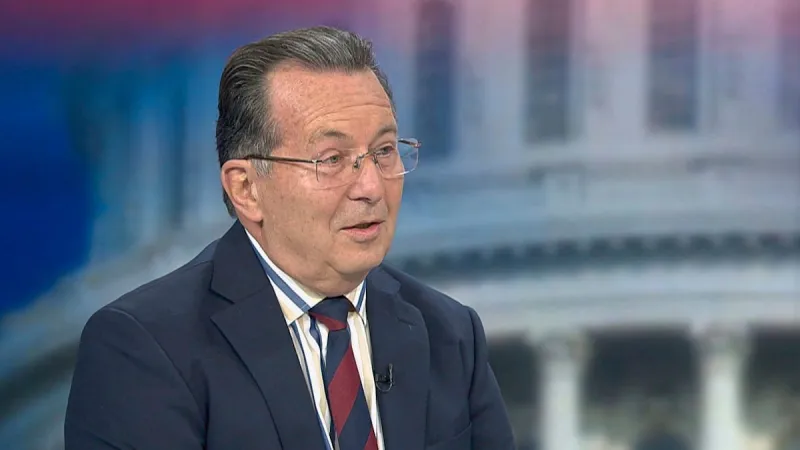
Ralph Thiele, a respected military expert, offered his assessment of the current geopolitical landscape. Thiele noted the paradox inherent in the situation: "One continues to bomb, but one also speaks." This observation underscores the dual tracks of ongoing conflict and simultaneous diplomatic engagement.
According to Thiele, this simultaneous pursuit of military action and diplomatic channels is not unprecedented but highlights the intricate nature of modern international relations. He suggested that such talks, even when public expectations are managed, are vital for de-escalation and understanding.
The backdrop to these discussions remains fraught with various international flashpoints. Reports indicate continued military actions in regions experiencing long-standing conflicts, which present significant challenges to any lasting peace initiatives between Washington and Moscow. For instance, Kyiv endures massive Russian assault, vital services imperiled has been a recurring concern.
Despite the ongoing hostilities, the very act of high-level engagement between President Trump and a top Russian emissary signifies a recognition of the necessity for dialogue. It suggests that both nations, despite their profound differences, are exploring avenues to manage or resolve critical issues.
Analysts suggest a "great agreement" could encompass a range of issues, from arms control and strategic stability to cybersecurity protocols and regional conflict resolution, particularly concerning areas where both nations have competing interests or direct involvement.
The history of US-Russia relations is replete with periods of both intense rivalry and tentative cooperation. From Cold War arms treaties to joint space missions, the two powers have a precedent for finding common ground, even amidst ideological and geopolitical competition.
The path toward any grand accord is undeniably complex. Deep-seated mistrust, divergent national interests, and the volatile nature of global events pose substantial obstacles. The Kremlin's cautious stance reflects this reality, indicating that breakthroughs will require sustained effort.
A successful agreement could have far-reaching implications for global stability, potentially influencing other international actors and easing tensions in various conflict zones. Conversely, failure could deepen existing divides and further entrench adversarial positions.
While President Trump champions the idea of a comprehensive deal, allies of the United States and international observers will scrutinize the specifics closely. Concerns about regional security and the balance of power will likely shape responses to any proposed agreement.
Thiele also warned against premature celebration. He emphasized that the "bombing continues" aspect cannot be ignored, as it inherently complicates the trust-building necessary for any enduring diplomatic solution. The ongoing European Skies Face Bomb Threat Surge further illustrates the tense environment.
President Trump's direct involvement in discussions with senior Russian representatives highlights a hands-on approach to foreign policy, prioritizing direct communication in an effort to forge a path forward. This contrasts with more traditional, multi-layered diplomatic processes.
The coming weeks and months will be critical in determining whether President Trump's optimistic vision of a "great agreement" can translate into tangible diplomatic progress, or if the current dynamic of simultaneous conflict and dialogue will persist indefinitely.