 Angel Doris
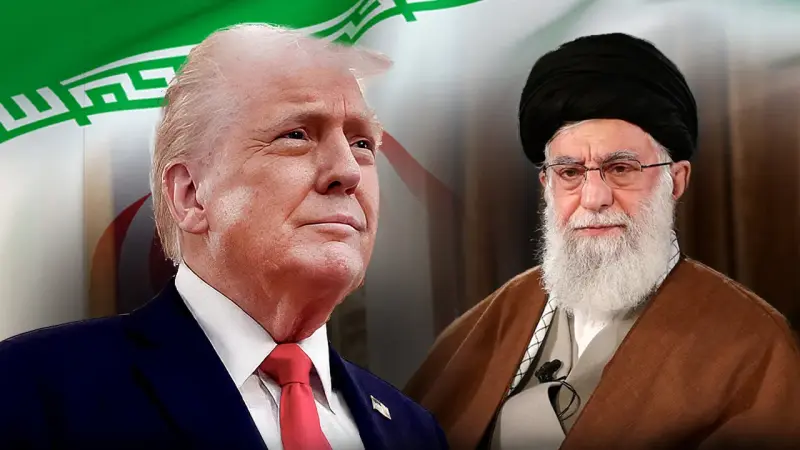
WASHINGTON — President Donald Trump issued a stern warning today of potential military strikes against Iran, simultaneously declaring that direct talks between the two nations remained premature, despite his administration reporting significant strides in ongoing, less formal diplomatic efforts.
The President, speaking from the Oval Office, reiterated his administration's readiness to respond decisively to any perceived provocations, emphasizing that all options remained on the table to safeguard American interests and regional stability.
While acknowledging what he termed “great progress” behind the scenes, President Trump stated that conditions had not yet matured for face-to-face negotiations with Tehran. This nuanced stance underscores a delicate balance in Washingtons approach to the Islamic Republic.
Sources within the State Department, who requested anonymity to discuss sensitive diplomatic maneuvers, indicated that progress largely pertains to de-escalation protocols and indirect communications through third-party intermediaries, aiming to prevent miscalculations in the Persian Gulf.
The current rhetoric marks another chapter in the strained relationship between the United States and Iran, a dynamic that has seen heightened tensions throughout President Trumps tenure, particularly following the 2018 withdrawal from the Joint Comprehensive Plan of Action (JCPOA).
Analysts suggest the Presidents mixed messaging — threatening force while hinting at diplomatic pathways — is designed to exert maximum pressure on Tehran, an approach frequently employed by the current administration in foreign policy dealings. The region watches closely for any shifts.
Tehran has consistently rejected what it terms US intimidation tactics, often responding with its own defiant rhetoric and reiterating its sovereign right to pursue its nuclear program for peaceful purposes, even as international inspectors monitor its activities.
Global powers, including European allies, have consistently called for de-escalation and a diplomatic resolution to the standoff. Many fear that an unchecked escalation could destabilize an already volatile Middle East, impacting global energy markets and security.
On Capitol Hill, reactions varied along party lines. Some lawmakers commended the Presidents firm posture, while others urged caution and a renewed focus on multilateral diplomacy to avert a military confrontation that could have catastrophic consequences.
The immediate future of US-Iran relations appears to hinge on this delicate balance. President Trump maintains that his administration is prepared for any eventuality, signaling that while the door to direct talks is not entirely closed, it is certainly not wide open for now.
The updates surrounding President Trumps firm stance on Iran, balancing threats of strikes with cautious optimism about indirect progress, define a complex foreign policy moment for 2026.