Gabriella
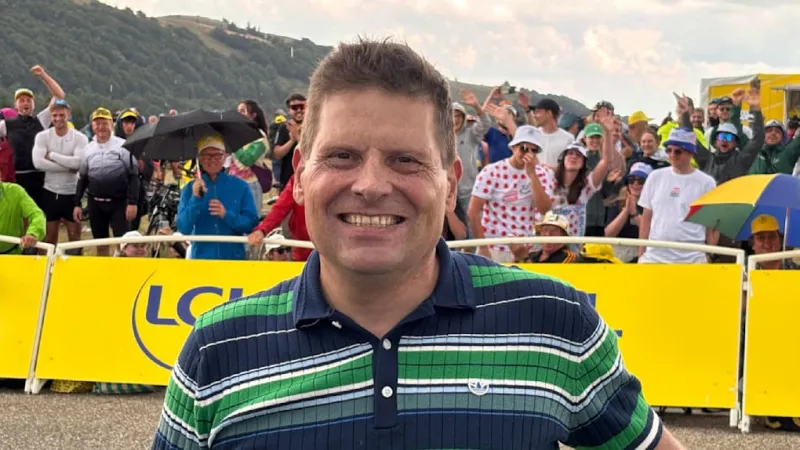
Tadej Pogacar delivered a stunning display of prowess on the 13th stage of the Tour de France, securing an unchallenged victory while simultaneously marking the notable return of German cycling icon Jan Ullrich, who observed the race live for the first time in two decades at the finish line.
Pogacar's performance underscored his formidable position within the peloton, leaving his rivals struggling to keep pace on the arduous climbs that defined the stage. This latest triumph further cemented his status as a leading contender for the overall yellow jersey.
The Slovenian rider navigated the challenging terrain with apparent ease, demonstrating both tactical intelligence and raw physical power. His acceleration in the final kilometers left no doubt about the day's outcome, captivating spectators and experts alike.
For many, the sight of Jan Ullrich at the finish line was as compelling as the race itself. The 1997 Tour de France champion, whose career later became embroiled in controversy, had maintained a significant distance from the event that once defined him.
Ullrich's presence represented a poignant moment for cycling enthusiasts, a return to the grand stage after two decades away. His last live appearance at the Tour de France was prior to the scandals that led to his eventual ban from the sport and a prolonged period of personal struggle.
His decision to attend this particular stage suggests a potential healing or reconnection with the sport that he once graced as one of its most dominant figures. It also offered a unique juxtaposition: a past champion observing a new era of dominance.
Pogacar's victory on Stage 13 was not merely another stage win; it was, as many observers noted, a clear demonstration of force. He did not just outpace his competitors; he decisively broke their spirits, a hallmark of true champions.
This kind of performance echoes the power seen in past champions, including Ullrich himself during his peak years. The ability to dictate the race and ride away from a strong field requires exceptional physical condition and mental fortitude.
The Tour de France continues to be a theater of human endurance and strategic brilliance. Each stage presents new challenges, and Pogacar has consistently proven his capacity to rise above them, stage after stage.
The presence of Ullrich also brings into focus the cyclical nature of cycling history, where legends rise, fall, and sometimes, return. His return, though as a spectator, adds a layer of historical resonance to this year's race.
As the Tour progresses, all eyes will remain on Pogacar, who appears intent on solidifying his lead and claiming another overall title. His consistent performances suggest a rider in peak form, challenging his rivals to find an answer.
The implications of such a dominant ride extend beyond just this stage. It sends a powerful message to his general classification rivals, warning them of the uphill battle they face in the remaining days of the grueling competition.
The cycling world often debates who the true heirs to the sport's greatest champions are. Pogacar, with his fearless attacks and unwavering strength, makes a compelling case for himself with every pedal stroke.
For Ullrich, his quiet presence at the finish line could signify a personal milestone, a step towards reconciliation with a past that has been publicly scrutinized. It offers a chance for reflection on his legacy and the evolving landscape of professional cycling.
The Tour de France, an iconic test of endurance and strategy, regularly provides narratives of triumph and comeback. This particular stage offered both, showcasing a modern titan alongside a returning legend.