 Dorry Archiles
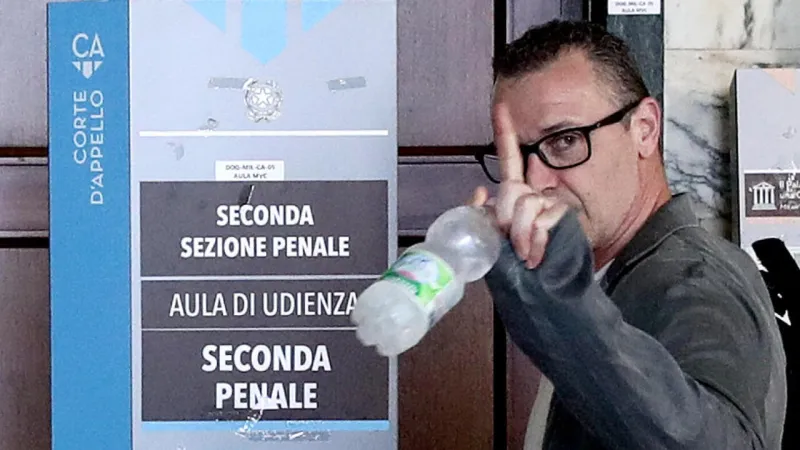
Rome – An Italian union leader has been convicted and sentenced to one year and two months in prison for the sexual harassment of a flight attendant, overturning previous acquittals in a high-profile case known as the 30-second case. The landmark ruling by a superior court delivers a significant blow to the defendant, whose identity is protected due to ongoing legal sensitivities, and underscores a heightened focus on workplace misconduct.
The verdict, which reverses the outcomes of both first and second-degree judgments, marks a decisive turn in a legal saga that has captivated public attention across Italy. This final appeal decision mandates immediate correctional consequences for the former union official, whose actions were deemed egregious enough to warrant a reversal of prior leniency.
The specifics of the 30-second case involve allegations of harassment directed at a hostess during an encounter that, as per court documents, lasted approximately thirty seconds. While the full details of the incident remain under seal, the descriptive moniker has become shorthand for the brief yet impactful nature of the alleged misconduct.
Legal experts note that the reversal of two prior court decisions is uncommon and highlights compelling new evidence or a reinterpretation of existing facts by the higher court. This judicial shift signifies a stringent application of harassment laws, particularly concerning individuals in positions of power or influence.
The conviction follows a protracted legal battle that saw the defendant initially cleared of charges, creating frustration among advocates for victims rights. The perseverance of the prosecution and the eventual scrutiny by the appellate judiciary ultimately led to the current punitive outcome.
The case has ignited broader conversations about accountability within professional organizations and the mechanisms in place to protect employees from harassment. Union structures, often seen as bastions of worker protection, face increased scrutiny when their own leadership is implicated in such allegations.
Advocates for gender equality and workplace safety have hailed the verdict as a crucial step towards fostering safer environments for all workers. They argue that the conviction sends a clear message that positions of authority do not confer immunity from legal consequences for inappropriate behavior. The broader landscape of justice for victims continues to be a critical focus, with cases often highlighting intense personal struggles, as seen in reports like Disfigured Victim's Terror: "I Thought I Would Die," Prosecutor Warns.
The sentence of one year and two months is a direct result of the court finding sufficient evidence to establish the defendant's guilt beyond reasonable doubt. This penalty reflects the gravity of the harassment and its impact on the victim, according to court observers.
Public discourse surrounding the 30-second case has centered on the persistent challenges victims face in reporting abuse and navigating lengthy legal processes. The ultimate conviction provides a measure of vindication for those who have pressed for justice in similar circumstances.
This ruling also resonates with previous high-profile cases of misconduct within professional circles. The legal landscape in Italy continues to evolve, reflecting a societal push for greater ethical conduct and stricter penalties for workplace violations.
The implications of this judgment extend beyond the immediate parties, potentially influencing future legal interpretations of harassment, especially regarding brief but impactful incidents. It reinforces the principle that the duration of an act does not diminish its potential for harm or legal culpability.